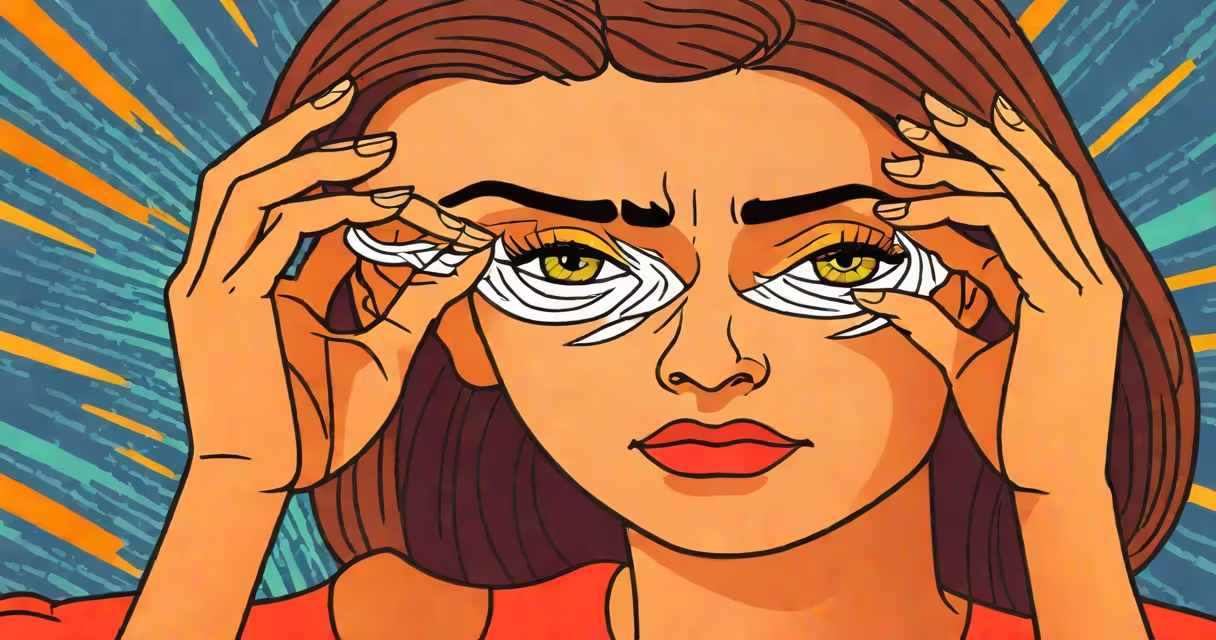
A migraine affecting eyesight, also known as ocular migraine or retinal migraine, is a neurological condition causing temporary vision disturbances such as blind spots, flashing lights, or zigzag patterns-often preceding or accompanying a headache. These episodes typically last 20 to 60 minutes and resolve without lasting damage.
Visual disturbances in migraine arise from abnormal electrical activity in the brain's occipital cortex, the region responsible for processing sight. This phenomenon, called cortical spreading depression, triggers waves of neural excitation followed by suppression across the visual field. The result is a scintillating scotoma-a shimmering, expanding blind spot that may distort or temporarily erase parts of the visual field.
While most cases involve transient visual changes without permanent harm, rare forms can cause prolonged or repeated vision loss. A retinal migraine, for example, results from reduced blood flow to the retina and may lead to temporary monocular blindness. Unlike typical migraines, retinal migraines carry a higher risk of permanent vision damage and require urgent evaluation.
Migraine affecting eyesight begins in the brain, not the eyes. The visual cortex generates the illusion of light and movement even when no external stimuli exist. This occurs because neurons fire abnormally in a wave-like pattern across the visual processing areas.
During a typical aura phase, people report seeing geometric shapes, bright flashes, or dark patches that grow outward from the center of vision. These changes often start in the periphery and move inward, mimicking a spreading shadow. Some describe the sensation as "a hole in their vision" or "a curtain pulling down."
According to the International Classification of Headache Disorders (ICHD-3), a diagnosis of migraine with aura requires at least two attacks featuring reversible visual, sensory, or speech symptoms lasting 5 to 60 minutes. The visual symptoms must be fully reversible and not accompanied by motor weakness or confusion-distinguishing them from stroke or seizure.
There are two primary types of migraine affecting eyesight:
| Type | Visual Symptoms | Duration | Risk Level |
|---|---|---|---|
| Visual Aura (Ocular Migraine) | Flashing lights, zigzags, blind spots, tunnel vision | 20-60 minutes | Low (reversible) |
| Retinal Migraine | Temporary blindness in one eye, often with headache | 10-60 minutes | High (potential for permanent loss) |
Common triggers include stress, lack of sleep, dehydration, bright or flickering lights, and certain foods like aged cheese or processed meats. Hormonal fluctuations, especially in women, also increase susceptibility. A 2021 study published in *Neurology* found that 15% of migraine sufferers experienced visual aura, with women affected twice as often as men.
One patient reported experiencing a 45-minute episode of jagged lines spreading from the center of his vision while driving. He pulled over safely, recognized the pattern from prior episodes, and rested until symptoms faded. His neurologist confirmed it was a classic visual aura, not a sign of stroke.
Many people mistake migraine affecting eyesight for a stroke, especially when symptoms occur suddenly. However, stroke-related vision loss is usually unilateral, persistent, and associated with weakness, slurred speech, or facial droop. Migraine-induced visual changes are bilateral or start in one eye and spread, and they resolve completely.
A critical distinction: if visual symptoms last longer than an hour, worsen, or occur without a headache, seek immediate medical attention. These could indicate retinal ischemia or a rare condition like migraine with prolonged aura. The American Migraine Foundation notes that prolonged aura increases the risk of future stroke by 2.5 times compared to those without aura.
Another misconception is that ocular migraine always includes a headache. About 30% of people experience aura without pain-known as acephalgic migraine. These episodes still involve full visual disruption and can be mistaken for eye problems or neurological emergencies.
If you experience sudden, unexplained vision changes-especially if they recur-consult a neurologist or ophthalmologist. Diagnosis relies on symptom history, ruling out retinal detachment, optic neuritis, or brain tumors through imaging and eye exams.
For individuals with a history of migraines, preventive medications like beta-blockers (propranolol), calcium channel blockers (verapamil), or anticonvulsants (topiramate) may reduce frequency. Acute treatment with triptans is effective for many but should be avoided in patients with cardiovascular risk factors.
One patient described waking up with a blind spot in her left eye that lasted 40 minutes. She had no headache, no dizziness. After a neurological workup, she was diagnosed with a retinal migraine. Her doctor advised avoiding caffeine and managing stress, which reduced episodes from monthly to quarterly.
Understanding the difference between transient visual disturbances and permanent vision loss is essential. Early recognition prevents unnecessary ER visits and ensures proper care for a manageable-but sometimes disruptive-neurological event.