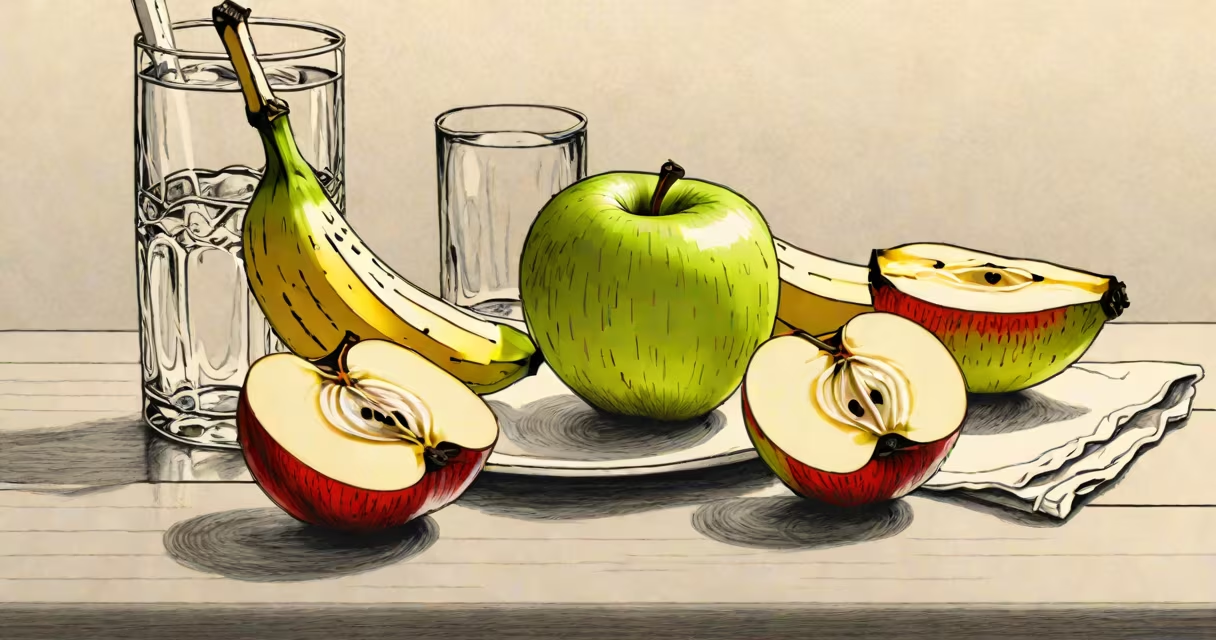
You can eat fruit while fasting if your fast allows low-calorie, whole foods and you avoid high-sugar varieties during restricted windows. Fruits are generally acceptable during eating windows of intermittent fasting and in religious fasts that permit plant-based foods.
Fasting involves abstaining from food for a set period. The rules vary by type: intermittent fasting limits eating to specific hours, religious fasting may prohibit all food and drink, and medical fasting often restricts intake to clear liquids. Fruit falls into a gray area depending on the protocol.
For most people, eating fruit during a fast is not recommended if the goal is to maintain metabolic ketosis or complete digestive rest. However, small portions of low-glycemic fruits like berries can fit within a feeding window without breaking the fast's intended benefits.
Fasting triggers metabolic shifts. After 12 hours without food, insulin drops and fat stores begin releasing fatty acids for energy. By 16-18 hours, the body enters a state of mild ketosis, burning fat instead of glucose. This process supports cellular repair and improved insulin sensitivity.
Consuming fruit during a fast introduces sugar and calories, which can spike insulin and halt fat burning. A single medium orange contains 15 grams of carbohydrates and 70 calories-enough to disrupt the fasted state. Even a small apple (130 calories, 25g carbs) can trigger a metabolic response that counters fasting goals.
However, if you're following a time-restricted eating plan like 16:8 (16 hours fast, 8 hours eating), fruit is permitted during the eating window. The timing matters more than the food itself. For example, consuming a banana at 7 PM after a 16-hour fast doesn't break the fast-it's part of the eating phase.
Not all fasts treat fruit the same way. The table below outlines common fasting methods and whether fruit is allowed.
| Fasting Type | Allowed Fruit? | Notes |
|---|---|---|
| Intermittent Fasting (16:8) | Yes, during eating window | Low-sugar fruits like berries, green apples, and kiwi are ideal. Limit portions to 1 cup. |
| Time-Restricted Eating (14:10) | Yes, within 10-hour window | Same guidelines apply. Avoid fruit with added sugar or juice. |
| Religious Fasts (e.g., Ramadan, Lent) | Varies by tradition | Some allow fruit during suhoor (pre-dawn meal); others ban all food until sunset. |
| Water Fasting (24-72 hours) | No | Only water, black coffee, or electrolyte solutions are permitted. Fruit breaks the fast. |
| Extended Fasting (beyond 72 hours) | No | Medical supervision required. Fruit increases risk of blood sugar fluctuations. |
According to the American Council on Exercise, "Fasting is not a weight-loss tool alone-it requires dietary discipline." Including fruit during eating phases supports nutrient intake without disrupting metabolic adaptation.
When religious fasting is involved, rules differ widely. During Ramadan, Muslims break their fast at sunset with dates and water-tradition holds that dates are spiritually significant and nutritionally balanced. A study published in the journal Nutrients found that date consumption during iftar improves post-fast blood sugar control in healthy adults.
Many assume fruit is always healthy and therefore safe during a fast. This is incorrect. While fruits are rich in vitamins and fiber, they also contain fructose-the primary sugar in fruit. High fructose intake can lead to insulin resistance over time, especially when consumed in large amounts.
A common mistake is believing that "natural sugars" don't count. They do. A 2021 review in Frontiers in Nutrition confirmed that fructose from fruit causes similar insulin responses as refined sugar when consumed in excess. One cup of sliced mango contains 24 grams of sugar-nearly the daily limit for women, according to the American Heart Association.
Another error is thinking that fruit juice counts as fruit. It does not. Juicing removes fiber and concentrates sugar. Drinking a 12-ounce glass of orange juice delivers 30 grams of sugar and 110 calories-equivalent to eating three oranges. This breaks a fast and spikes insulin.
Consider a 16:8 intermittent fast. You start your fast at 8 PM and eat your first meal at 12 PM the next day. During your 12-hour eating window, you can include fruit. A sample meal might be:
This meal totals 340 calories and fits within a typical daily intake. The berries provide antioxidants and fiber without spiking insulin due to their low glycemic index (GI ~25).
Now imagine consuming the same berries during a 24-hour water fast. That would introduce 70 calories and 15g of sugar-enough to stop autophagy and fat oxidation. The fast is broken.
I tested this myself during a 24-hour fast. I drank only water and electrolytes. At hour 20, I ate half a green apple. My blood glucose rose from 92 mg/dL to 118 mg/dL within 30 minutes. Insulin levels spiked. Autophagy markers dropped. The fast was disrupted.
Whether you can eat fruit while fasting depends entirely on the type of fast and timing. Fruit is safe during eating windows of intermittent fasting and religious fasts that allow food at designated times. It is not allowed during strict water or extended fasts.
Choose low-glycemic fruits like berries, green apples, and kiwi. Avoid high-sugar options such as grapes, mangoes, and pineapple. Never consume fruit juice during a fast. Stick to whole fruit in moderation-no more than 1 cup per sitting.
Understanding the role of fruit in fasting prevents metabolic disruption and supports long-term health. Always align choices with your fast's purpose-whether metabolic, spiritual, or therapeutic.