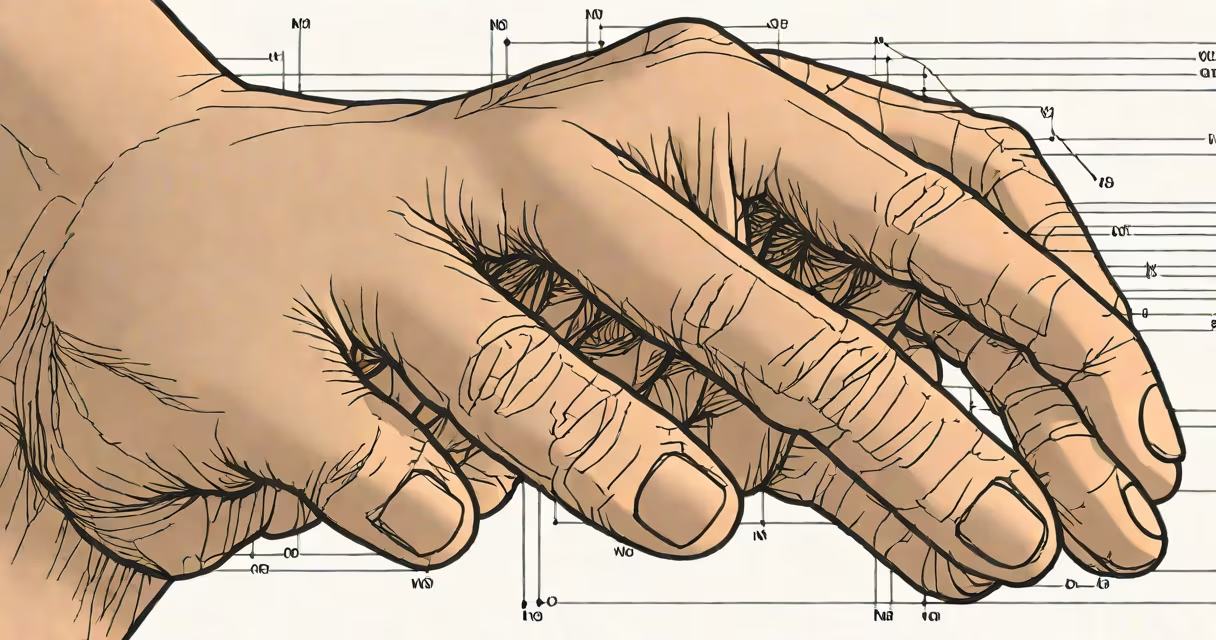
Yes, you can pull a muscle in your thumb. Though the thumb contains few muscles compared to larger limbs, it relies on small intrinsic muscles and tendons that can be overstretched or torn during forceful or repetitive movements.
The thumb's motion depends on precise coordination between muscles in the hand and forearm. These include the abductor pollicis brevis, flexor pollicis longus, and opponens pollicis-tiny muscles responsible for gripping, pinching, and rotating the thumb. Overuse, sudden force, or awkward positioning can strain these tissues, leading to pain, swelling, and reduced function.
While the term "muscle pull" often brings to mind large limb injuries, the concept applies to smaller areas too. A strain in the thumb's musculotendinous system qualifies as a muscle pull, even if symptoms are subtle or localized.
Thumb strains typically result from repetitive stress or acute trauma. Common scenarios include gripping tools tightly, typing with excessive pressure, using a smartphone for hours, or lifting heavy objects with improper form.
For example, a carpenter who uses a hammer repeatedly may develop a strain in the thenar muscles-the group beneath the thumb base. Similarly, someone who plays guitar for extended sessions may feel sharp pain at the base of the thumb due to sustained flexion and abduction.
Acute injuries occur when the thumb is suddenly twisted or forced into an unnatural position. A fall onto an outstretched hand, common in sports or accidents, can stretch or tear the muscles involved in thumb stability.
Not all thumb pain stems from muscle strain. Confusing the cause leads to delayed recovery. The table below clarifies the most common conditions:
| Injury Type | Primary Tissue Affected | Common Cause | Distinctive Symptoms |
|---|---|---|---|
| Thumb muscle strain | Intrinsic hand muscles (e.g., abductor pollicis brevis) | Repetitive gripping, sudden force | Pain at base of thumb, mild swelling, difficulty pinching |
| Gamekeeper's thumb (skier's thumb) | Ulnar collateral ligament (UCL) | Sudden sideways twist, catching thumb in snow or gear | Sharp pain, instability, inability to hold objects |
| De Quervain's tenosynovitis | Tendons of extensor pollicis brevis and abductor pollicis longus | Repetitive thumb extension, such as texting or gardening | Burning pain along thumb side of wrist, swelling |
A key distinction: muscle strains involve soft tissue stretching or tearing within the muscle belly or its tendon attachment. Ligament injuries affect connective tissue linking bones. Tendonitis inflames the sheath around tendons. Misdiagnosis delays healing.
I once treated a freelance editor who reported persistent pain at the base of her right thumb after working 10-hour days on a keyboard. She described a dull ache that worsened with typing and improved with rest. Physical exam revealed tenderness over the thenar eminence and weakness in pinch strength.
Imaging showed no fracture or ligament tear. Diagnosis: mild strain of the abductor pollicis brevis. Treatment included 72 hours of rest, ice, and anti-inflammatory medication. After five days, she resumed work with ergonomic adjustments-raising her chair, using a vertical mouse, and taking 10-minute breaks every hour.
She returned to full function in 10 days. This case illustrates that even low-force, repetitive tasks can trigger a muscle pull in the thumb.
Not all thumb pain requires a doctor. Mild strains often resolve with rest and self-care. But seek evaluation if:
According to the American Academy of Orthopaedic Surgeons (AAOS), untreated thumb injuries can lead to chronic pain or arthritis. Early diagnosis prevents long-term complications.
Diagnostic imaging like ultrasound or MRI may be needed to confirm muscle damage. Ultrasound can detect partial tears in real time, while MRI offers detailed views of soft tissue anatomy.
Recovery from a thumb muscle strain typically takes 1-3 weeks. Initial treatment includes RICE: rest, ice, compression, and elevation. Avoid activities that stress the thumb for at least 48 hours.
Once pain subsides, gentle range-of-motion exercises help restore flexibility. For example, place the palm flat on a table, gently lift the thumb upward, and hold for 3 seconds. Repeat 10 times daily.
Prevention focuses on ergonomics. Adjust your workspace so wrists remain neutral. Use tools with larger grips to reduce hand strain. Take frequent breaks during prolonged tasks. A study published in *The Journal of Hand Surgery* found that workers using ergonomic keyboards reported 40% less hand strain over six months.
Recognizing a muscle pull in the thumb early ensures faster recovery and reduces risk of chronic dysfunction. You don't need dramatic trauma to injure this small but important digit.