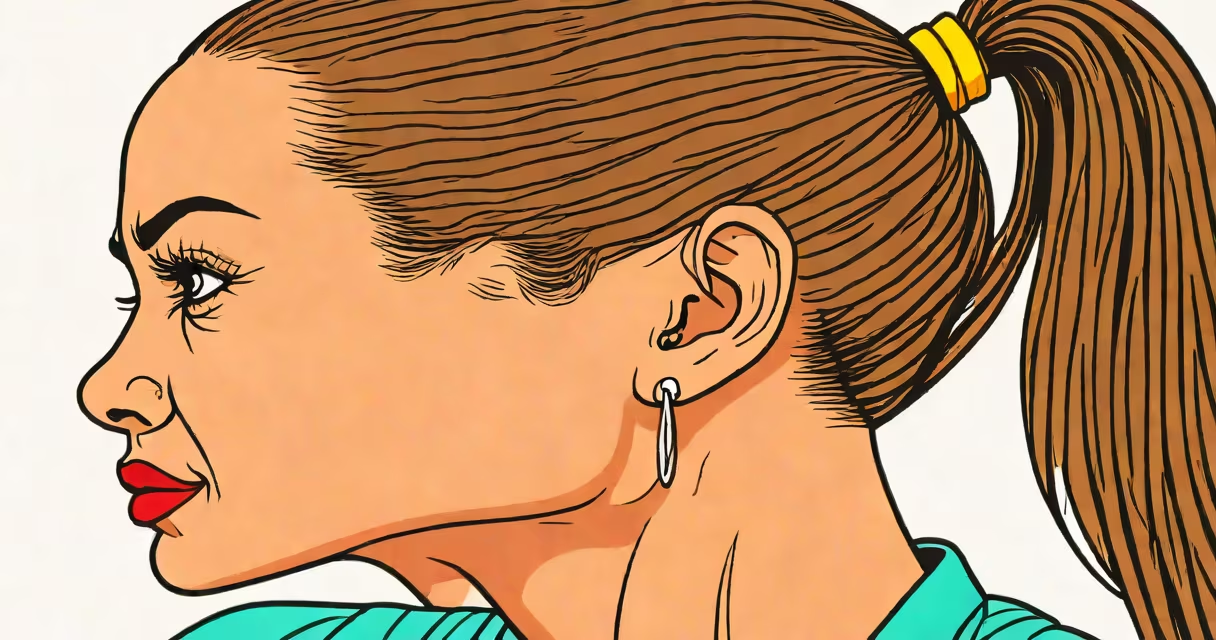
Pulling your hair back tightly-especially with elastic bands, clips, or constant tension-can lead to traction alopecia, a type of hair loss caused by prolonged mechanical stress on the hair follicles. This condition may result in permanent baldness if left unchecked.
Traction alopecia develops when repeated pulling damages the hair follicles near the scalp's edges, particularly along the temples and hairline. Over time, this damage reduces blood flow to the follicles and triggers inflammation, leading to gradual thinning and eventual hair loss. The condition is most common in people who wear tight braids, cornrows, buns, or ponytails daily.
According to the American Academy of Dermatology, traction alopecia accounts for up to 10% of all hair loss cases seen in dermatology clinics. It's not rare-it's underdiagnosed. Many patients don't connect their hair loss to hairstyles they've worn for years. Early signs include mild itching, redness, or small bumps along the hairline, which often go unnoticed until significant thinning occurs.
Hair follicles are anchored into the scalp by a complex network of collagen and connective tissue. When hair is pulled tightly, especially in the same spot repeatedly, the follicles stretch beyond their normal range. This microtrauma disrupts the hair growth cycle and weakens the follicle's ability to regenerate.
Each hair strand can withstand about 100 grams of force before breaking. But repeated tension-even below that threshold-accumulates damage. A study published in the Journal of the American Academy of Dermatology found that women who wore tight ponytails daily had a 3.7 times higher risk of developing frontal hairline recession compared to those who avoided such styles.
Once follicles are damaged, they enter a phase called catagen, where growth stops. If tension continues, the follicle enters telogen (resting phase) and eventually sheds. After several cycles, the follicle may shrink permanently-a process known as fibrosis. Once fibrotic, the follicle cannot regrow hair, leading to irreversible bald patches.
High-tension hairstyles are the primary culprits. These include:
These styles apply constant pressure on the scalp, especially around the hairline and crown. The longer the duration and frequency, the greater the risk. For example, a person who wears a tight bun every day for five years has a higher chance of developing visible thinning than someone who wears it occasionally.
A 2021 study in the British Journal of Dermatology analyzed 120 women with patterned hair loss. Of those with frontal thinning, 68% reported wearing tight hairstyles regularly during adolescence or early adulthood. The researchers concluded that early exposure to tension-based styles increases the likelihood of permanent hair loss later in life.
Many assume that only extreme styles like space buns or tight dreadlocks cause harm. But even moderate tension over long periods leads to cumulative damage. A loose ponytail isn't safe either-if it's worn daily for decades, the effect adds up.
Another myth is that only Black women are affected. While traction alopecia is more prevalent in Black populations due to cultural hairstyle practices, it affects all genders and ethnicities. A 2022 report from the National Institutes of Health noted that 14% of female patients with androgenetic alopecia (genetic hair loss) also showed signs of traction-related thinning.
Also, hair loss from tension doesn't appear overnight. It's a slow process. You might not notice changes for months or years. By the time thinning becomes visible, the damage may already be irreversible.
Sarah, a 34-year-old graphic designer, wore her hair in a high ponytail every day for 12 years. She began noticing small gaps along her hairline at age 28. Initially, she thought it was stress-related. By age 32, the thinning worsened. A dermatologist diagnosed her with stage 2 traction alopecia.
After stopping tight styles and using minoxidil (Rogaine), Sarah saw partial regrowth after six months. However, the area near her left temple remained bald. A biopsy confirmed fibrosis-scarring that prevents hair regrowth. Her case illustrates that early intervention is critical.
She now wears her hair down or in loose styles. She also uses silk scrunchies and avoids metal clips. Her experience shows that prevention is far easier than reversal.
The best way to avoid traction alopecia is to limit tight hairstyles. Alternate between loose styles, such as half-up buns, soft waves, or low ponytails. Use wide-tooth combs and gentle brushes. Avoid elastics with metal clasps-they increase friction and pull.
If you're already experiencing thinning, stop the damaging style immediately. See a dermatologist specializing in hair disorders. They may recommend topical treatments like minoxidil or corticosteroid injections to reduce inflammation and stimulate regrowth.
For advanced cases, hair transplant surgery may be an option-but only if the donor area is healthy. Scarring from long-term tension limits viable grafts. That's why early action matters.
Even if you've worn tight styles for years, switching now can halt progression. A 2020 clinical review in the Journal of Clinical and Aesthetic Dermatology found that 70% of patients who stopped tight styles and used treatment protocols saw stabilization or improvement within 12 months.
Don't wait for major thinning. If you notice:
Consult a dermatologist. Early diagnosis improves outcomes. The American Academy of Dermatology recommends seeing a specialist if you've worn tight styles for more than five years.
Understanding the risks of hair pulling helps protect long-term scalp health. Tight styles aren't inherently bad-but consistent tension leads to real, measurable damage. Recognizing the signs early can prevent permanent baldness.