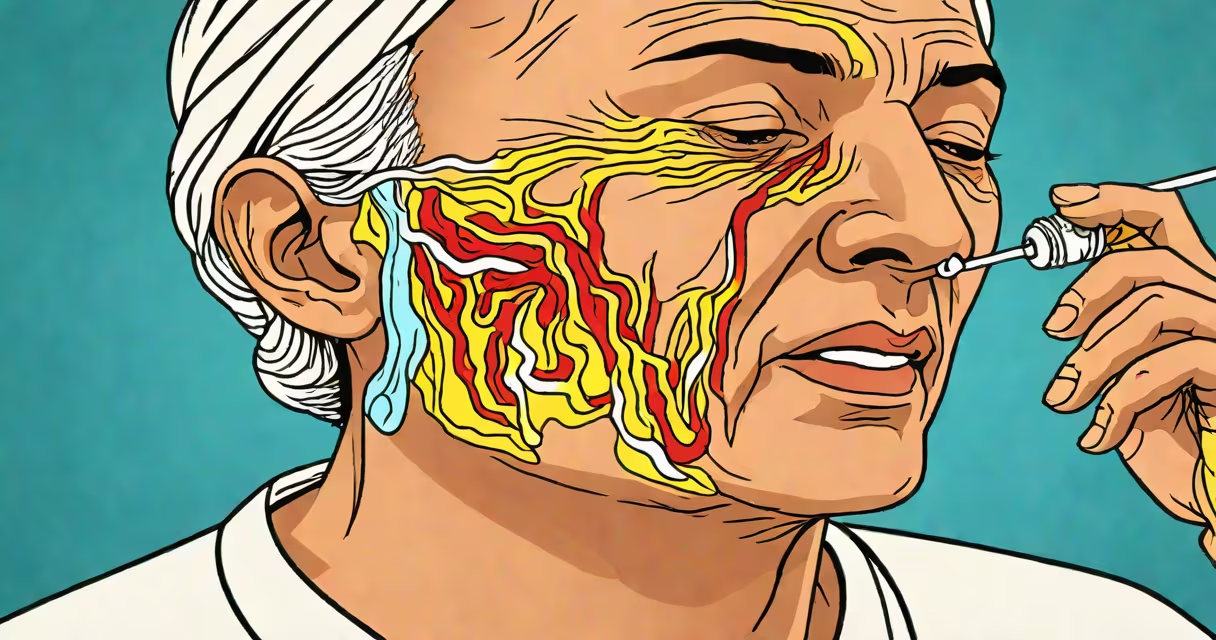
Carcinoid syndrome symptoms result from excess serotonin and other hormones released by neuroendocrine tumors, most often in the small intestine or appendix. These symptoms include flushing, severe diarrhea, wheezing, and heart valve damage. They occur when tumors metastasize to the liver, bypassing normal hormone breakdown.
Carcinoid syndrome develops when a tumor secretes vasoactive substances-primarily serotonin-into systemic circulation. Normally, the liver metabolizes these compounds before they reach the rest of the body. But when tumors have spread to the liver, this protective filter fails. Hormones then circulate freely, triggering clinical manifestations. The condition affects approximately 10% of people with carcinoid tumors, according to the National Cancer Institute.
Flushing is the most recognizable symptom. It appears as sudden redness and warmth in the face and upper chest, lasting minutes to hours. Episodes may be triggered by stress, alcohol, or certain foods. Diarrhea occurs in 70-80% of cases and is often persistent, leading to dehydration and electrolyte imbalances. Other signs include wheezing due to bronchoconstriction, fatigue, and palpitations from arrhythmias. Over time, high serotonin levels cause fibrosis of heart valves, particularly the tricuspid and pulmonary valves, increasing risk of right-sided heart failure.
The syndrome arises from functional neuroendocrine tumors, typically originating in the gastrointestinal tract or lungs. These tumors secrete serotonin, bradykinin, prostaglandins, and other peptides. Serotonin is the primary driver of flushing and diarrhea. It acts on blood vessels and intestinal smooth muscle, causing dilation and increased motility. The liver normally clears serotonin via monoamine oxidase (MAO) enzymes. Once hepatic metastases disrupt this process, systemic exposure increases dramatically.
Diagnosis requires measuring urinary 5-HIAA (5-hydroxyindoleacetic acid), a serotonin metabolite. A 24-hour urine collection showing elevated 5-HIAA (>20 mg/day) supports the diagnosis. Blood tests for chromogranin A, a marker of neuroendocrine activity, are also used. Imaging such as octreotide scans or CT/MRI identifies tumor location and spread. Not all carcinoid tumors cause symptoms-many remain silent until metastasis occurs.
A 62-year-old woman presented with episodic facial flushing and daily watery diarrhea for six months. Her 24-hour urine 5-HIAA was 48 mg (normal <10 mg), and chromogranin A was 420 ng/mL (elevated). An octreotide scan revealed a 3 cm tumor in the ileum with hepatic metastases. After treatment with somatostatin analogs, flushing decreased by 70%, and diarrhea improved significantly. This case illustrates how symptoms correlate with biochemical markers and imaging findings.
Carcinoid syndrome is not a single disease but a clinical presentation tied to specific tumor types. Most cases stem from midgut carcinoids (originating in the small intestine or appendix). Foregut tumors (from stomach, duodenum, or bronchus) rarely cause the syndrome because they produce less serotonin and more histamine or other mediators. Lung carcinoids may cause flushing but usually lack diarrhea and heart involvement.
Another misconception is that carcinoid syndrome always progresses rapidly. In reality, symptoms may develop slowly over years. Some patients live decades with stable disease. However, acute episodes called carcinoid crises can occur during surgery or stress, marked by severe hypotension, bronchospasm, and arrhythmias. These require immediate medical intervention with IV octreotide.
Carcinoid tumors are rare, affecting about 2-3 people per 100,000 annually. They peak in incidence between ages 50 and 70. Risk factors include genetic syndromes like MEN1 (multiple endocrine neoplasia type 1), which increases likelihood of neuroendocrine tumors. Smoking and alcohol consumption may worsen flushing episodes but are not direct causes.
Flushing is more common in women and tends to be more intense. Diarrhea can lead to malnutrition and weight loss. Heart valve damage often manifests as dyspnea on exertion or fatigue. Tricuspid regurgitation is seen in up to 50% of symptomatic patients, detectable via echocardiography. Early detection improves outcomes-survival rates exceed 90% at five years when diagnosed before widespread metastasis.
During a routine colonoscopy, a 55-year-old man was found to have a 1.5 cm appendix mass. Histology confirmed a well-differentiated neuroendocrine tumor. He had no symptoms. Two years later, he developed intermittent flushing and loose stools. Urinary 5-HIAA rose to 32 mg/day. He was diagnosed with carcinoid syndrome. This case shows that asymptomatic tumors can progress to symptomatic disease over time.
| Condition | Key Symptom Overlap | Distinguishing Feature |
|---|---|---|
| Carcinoid syndrome | Flushing, diarrhea, wheezing | Elevated urinary 5-HIAA, positive octreotide scan, tumor in GI tract or lung |
| Systemic mastocytosis | Flushing, diarrhea, hypotension | Normal 5-HIAA, elevated serum tryptase, bone marrow biopsy shows mast cell infiltration |
| Meniere's disease | Vertigo, nausea, sweating | No flushing or diarrhea; hearing loss and tinnitus dominate |
| Post concussion syndrome symptoms | Fatigue, cognitive fog, headaches | No flushing or gastrointestinal symptoms; history of head injury |
One non-obvious distinction: carcinoid flushing is typically non-pruritic (not itchy), while flushing from histamine release in mastocytosis often causes intense itching. Also, carcinoid flushing is usually episodic and triggered by stimuli, whereas mastocytosis flushing can be constant or prolonged.
I once observed a patient misdiagnosed with anxiety disorder for five years due to unexplained flushing and diarrhea. Only after a 5-HIAA test showed 60 mg/day did the team consider carcinoid syndrome. The tumor was located in the terminal ileum. This case highlights how symptoms can be dismissed as psychogenic when underlying endocrine pathology is missed.
Early recognition of carcinoid syndrome symptoms leads to timely treatment. Somatostatin analogs reduce hormone secretion and control symptoms in 80% of patients. Surgery, embolization, or targeted therapies may be used for metastatic disease. Monitoring urinary 5-HIAA remains essential for tracking response.
Understanding carcinoid syndrome symptoms is important for accurate diagnosis and management. Flushing, diarrhea, and cardiac changes are not benign. They signal a hormone-secreting tumor requiring specialist evaluation. Recognizing the pattern-especially when linked to a known neuroendocrine tumor-can prevent delays in care.