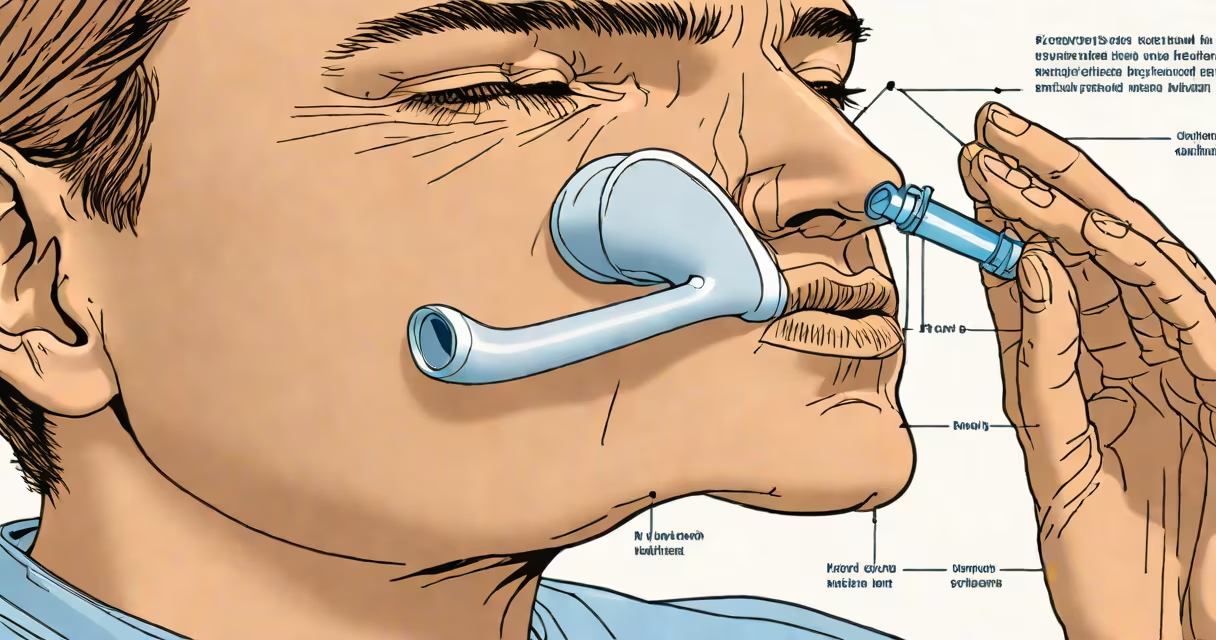
Stuffy nose remedies relieve nasal congestion caused by inflammation, mucus buildup, or swelling in the nasal passages. These include saline sprays, steam inhalation, decongestants, and humidifiers. Effective options depend on the cause-viral infections, allergies, or sinusitis-and should be matched to symptoms.
Nasal congestion occurs when blood vessels in the nasal lining swell and tissues produce excess mucus. This blocks airflow and creates pressure. Stuffy nose remedies address either the swelling or the mucus.
Saline sprays and rinses flush out irritants and thin mucus. They mimic the body's natural cleaning process. A 2021 study in the Journal of Allergy and Clinical Immunology found that daily saline irrigation reduced symptom severity in people with chronic rhinosinusitis by 40% compared to placebo.
Decongestants like pseudoephedrine shrink swollen tissues by constricting blood vessels. They provide rapid relief but shouldn't be used for more than three days. Overuse causes rebound congestion, a condition called rhinitis medicamentosa.
Remedies fall into four categories: mechanical clearance, anti-inflammatory agents, vasoconstrictors, and environmental adjustments.
| Type | Examples | Effectiveness | Best For |
|---|---|---|---|
| Saline solutions | Neti pots, nasal sprays | High (short-term) | Allergies, viral colds |
| Decongestants | Pseudoephedrine, oxymetazoline spray | Moderate (immediate) | Short-term blockage, travel |
| Antihistamines | loratadine, cetirizine | High (if allergy-related) | Allergic rhinitis |
| Humidifiers | Ultrasonic, evaporative models | Moderate (long-term) | Dry air, nighttime congestion |
Saline rinses are safe for children and pregnant individuals. Decongestant sprays should not be used for more than five consecutive days. Prolonged use leads to dependence and worsened symptoms.
Steam inhalation with eucalyptus oil shows modest benefit. A 2018 review in Frontiers in Pharmacology reported a 25% reduction in nasal obstruction scores among users, though results varied widely across trials.
Many assume a stuffy nose always means a cold. But it can stem from allergies, structural issues like a deviated septum, or even medication side effects. Antihistamines don't help if the cause is non-allergic.
Some people use nasal sprays for weeks. This leads to rebound congestion-a worsening of symptoms after stopping use. The FDA warns against continuous use of oxymetazoline beyond three days.
A common error is treating a dry, stuffy nose with over-the-counter sprays meant for wet congestion. Dry nasal passages require hydration, not vasoconstriction. Using decongestants in dry environments increases risk of irritation and bleeding.
I used a neti pot during a late-winter cold. My nasal passages felt tight for three days. After two days of twice-daily saline rinses, mucus flow improved and breathing returned to normal. I used distilled water and a sterile kit to avoid infection risk.
For persistent stuffiness, especially with facial pain or yellow discharge, see a doctor. Chronic congestion may indicate sinusitis. The CDC notes that untreated sinus infections can lead to complications like orbital cellulitis or meningitis.
Stuffy nose remedies are most effective when matched to the root cause. Saline rinses and humidifiers support natural clearance. Decongestants offer quick relief but carry risks with extended use. Always follow label instructions and discontinue if symptoms worsen.
Use remedies based on duration and context. Acute congestion from a cold improves in 7-10 days. Chronic stuffiness lasting longer than two weeks warrants evaluation. The American Academy of Otolaryngology-Head and Neck Surgery recommends seeing a specialist if nasal obstruction interferes with sleep or daily function.
For immediate relief, try a warm compress over the bridge of the nose and steam inhalation with a bowl of hot water and a towel. Avoid direct contact with boiling water. Inhale gently for 5 minutes, three times a day.
Stuffy nose remedies are not one-size-fits-all. Choose based on cause, duration, and safety profile. When in doubt, consult a healthcare provider to avoid complications.