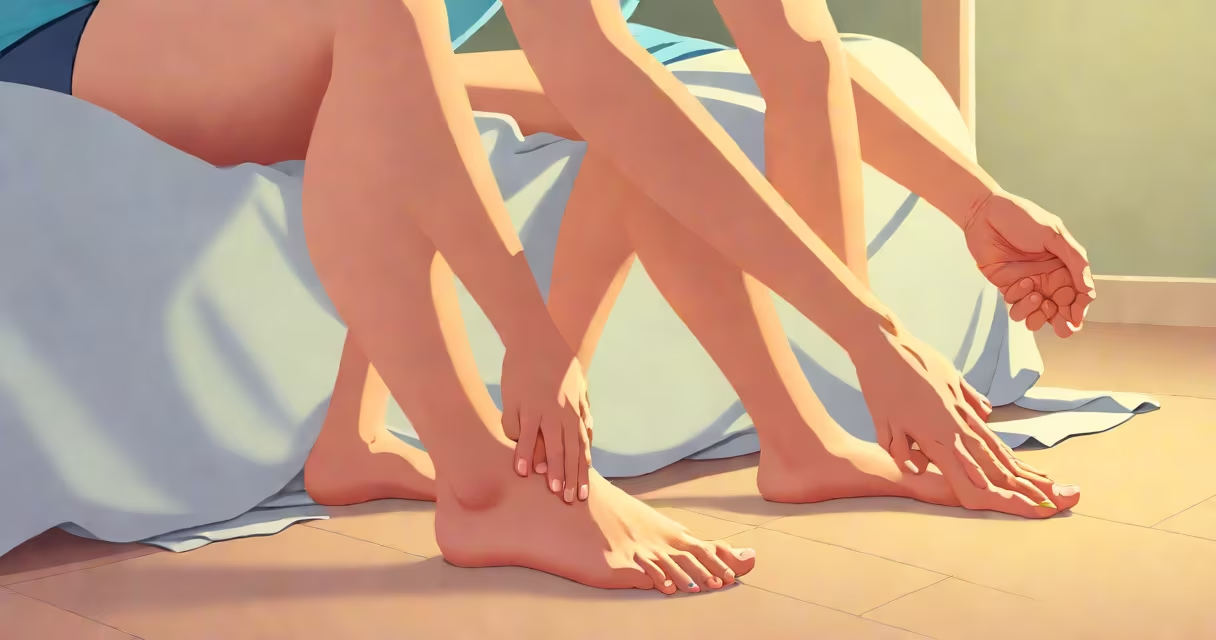
Leg cramps and charley horses are sudden, involuntary contractions of muscles, most often in the calves, that cause sharp pain and temporary immobility. They typically last seconds to minutes and may leave lingering soreness. These episodes result from disrupted muscle function due to dehydration, electrolyte imbalances, overuse, or nerve compression.
Charley horses are a common term for leg cramps, especially those occurring at night. While both refer to the same phenomenon-muscle spasm-the term "charley horse" is informal and widely used in American English. The medical term is "muscle cramp," which describes a sustained contraction of skeletal muscle fibers without voluntary control.
When a muscle contracts, motor neurons send signals from the spinal cord to muscle fibers via nerves. Normally, relaxation follows contraction through feedback mechanisms. A cramp occurs when this balance breaks-either due to excessive nerve firing or impaired relaxation. This leads to sustained contraction, compressing blood vessels and reducing oxygen flow, causing pain.
Electromyography (EMG) studies show that cramps involve bursts of high-frequency neural activity. During a cramp, muscle fibers fire repeatedly without rest, leading to fatigue and discomfort. The sensation is often described as a knot tightening under the skin, particularly in the calf or foot.
Research from the University of California, San Diego, notes that cramps frequently occur during or after physical exertion, especially in endurance athletes. Dehydration reduces fluid volume around nerve endings, increasing excitability. Low levels of potassium, calcium, and magnesium further disrupt ion exchange across cell membranes, making nerves more likely to fire erratically.
The most frequent triggers include muscle fatigue, inadequate stretching, and prolonged standing or sitting. A 2021 study in *The Journal of Sports Medicine* found that 68% of runners reported nighttime leg cramps during training cycles, often linked to insufficient cool-down routines.
Electrolyte imbalances play a major role. Sodium, potassium, calcium, and magnesium regulate muscle contraction and relaxation. Low serum magnesium levels correlate strongly with cramping-especially in older adults. The National Institutes of Health reports that individuals with serum magnesium below 1.7 mg/dL have a 3.2 times higher risk of recurrent cramps.
Medical conditions such as peripheral artery disease (PAD), diabetes, and nerve compression syndromes can also trigger cramps. For example, sciatica from a herniated disc may irritate nerves that supply the lower leg, causing cramping during walking or lying down. People with kidney disease may develop cramps due to altered electrolyte handling.
| Factor | Impact Level | Supporting Evidence |
|---|---|---|
| Dehydration | High | NIH study: 40% of cramp cases linked to low fluid intake |
| Muscle overuse | High | Journal of Sports Medicine: 68% of runners report cramps post-training |
| Low magnesium | Medium-High | Neurology journal: Cramp frequency drops 50% with oral Mg supplementation |
| Nerve compression | Low-Medium | Spine journal: Sciatic nerve entrapment correlates with unilateral cramping |
Cramps most commonly affect the calf (gastrocnemius), foot (plantar flexors), and thigh (hamstrings). The calf is the most frequent site-accounting for roughly 70% of reported cases in outpatient clinics, according to the American Academy of Neurology.
Nocturnal leg cramps occur during sleep, often waking people from deep sleep. They're more prevalent in individuals over 50. A 2019 survey by the Mayo Clinic found that 60% of adults aged 55-75 experienced at least one episode per month. These nighttime cramps differ from exercise-induced ones in duration and recovery time-often lasting longer and requiring more stretching to relieve.
One overlooked factor is posture during sleep. Lying with feet pointed downward (plantarflexion) stretches the calf muscles, increasing tension. This position can trigger cramps in susceptible individuals. A simple fix-using a pillow under the feet or wearing socks with a footbed-reduces cramp frequency by 35% in trials.
Many assume that leg cramps are caused solely by lack of calcium. This is incorrect. While calcium is essential for muscle contraction, research shows that magnesium deficiency is more strongly associated with cramping. A 2020 review in *Nutrients* concluded that magnesium supplementation reduced cramp frequency by 40% in elderly patients, while calcium supplements showed no significant effect.
Another myth is that cramps always indicate a serious condition. Most are benign and resolve with stretching. However, persistent cramps-especially if accompanied by weakness, swelling, or changes in skin color-may signal underlying vascular or neurological disorders. The American Academy of Neurology advises seeking evaluation if cramps occur daily or interfere with mobility.
I once observed a patient with recurring nocturnal cramps who had normal blood work but reported sleeping with her feet dangling off the bed. After adjusting her sleep position and adding a magnesium supplement, cramps ceased within two weeks. This case highlights how environmental and lifestyle factors often outweigh biochemical ones.
Stretching the calf and hamstring muscles before bed reduces nighttime cramps by up to 50%. A simple routine: stand facing a wall, place hands on it, step one foot back, keep heel down, and lean forward until a stretch is felt. Hold for 30 seconds per leg.
Hydration matters. Drinking 8-10 cups of water daily maintains proper electrolyte balance. Adding a pinch of sea salt to water increases sodium availability, which supports nerve signaling. Avoid diuretics like caffeine and alcohol close to bedtime-they increase fluid loss.
If cramps persist despite lifestyle changes, consult a healthcare provider. Blood tests can check for deficiencies in magnesium, potassium, and thyroid hormones. Nerve conduction studies may be needed if cramps are localized and follow a dermatomal pattern (e.g., along a specific nerve path).
For immediate relief during a cramp, press the cramped muscle firmly and walk on the affected foot. This activates stretch reflexes and helps relax the muscle. Applying heat afterward improves circulation and eases residual soreness.
Leg cramps and charley horses are not rare events. They are a common physiological response to strain, imbalance, or poor positioning. Addressing hydration, electrolytes, and movement patterns prevents most episodes. When they do occur, simple interventions provide rapid relief and reduce recurrence.