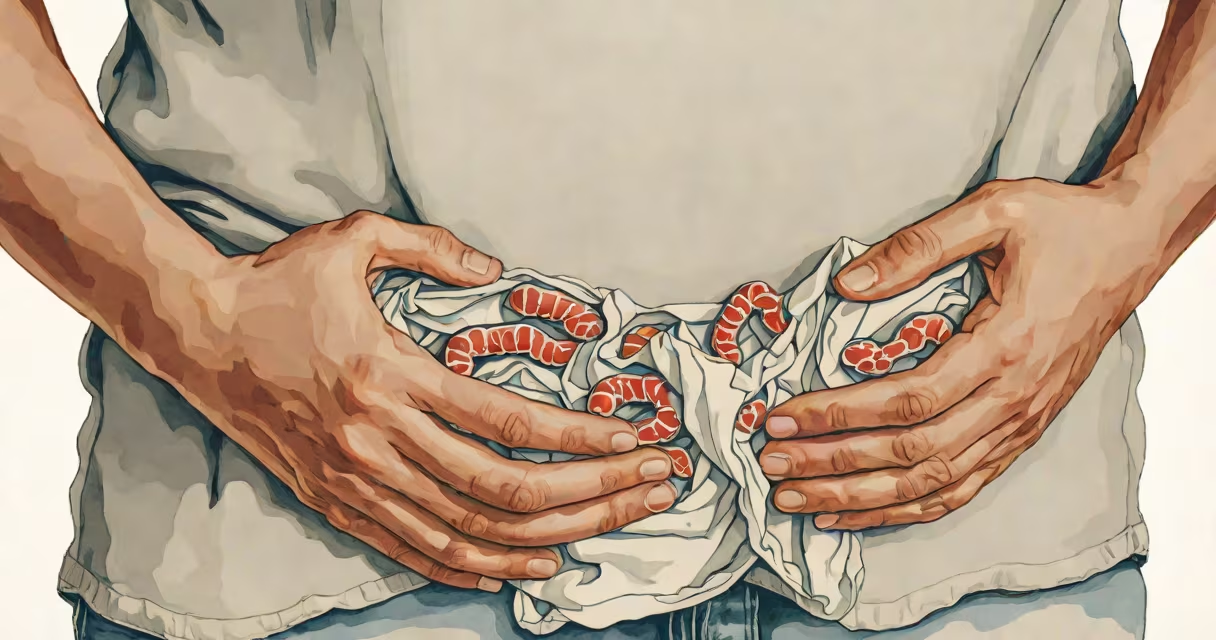
Shigella symptoms typically begin 12 to 72 hours after exposure and include severe diarrhea, abdominal cramps, fever, and sometimes blood in the stool. The illness, known as shigellosis, usually lasts five to seven days and results from infection with Shigella bacteria, commonly spread through contaminated food or water.
Shigella bacteria invade the lining of the large intestine, triggering inflammation and damage to intestinal cells. This leads to frequent, watery stools that may contain mucus or blood. The body's immune response raises core temperature, causing fever. Most cases resolve without antibiotics, but complications can arise in vulnerable populations.
Transmission occurs via the fecal-oral route-ingesting even small amounts of contaminated material from hands, surfaces, or food. Outbreaks often occur in settings with poor sanitation, such as daycare centers, prisons, or crowded living conditions. The bacteria survive well in environments with low moisture and moderate temperatures.
The most common symptoms of shigella infection appear within one to three days after exposure. Diarrhea is the sign sign, often occurring multiple times per hour and progressing from watery to bloody. Blood in stool occurs in about 25% of cases, especially with Shigella flexneri and Shigella sonnei strains.
Abdominal cramping follows the onset of diarrhea and may feel sharp or constant. Cramps result from intestinal muscle contractions trying to expel infected tissue. Fever ranges from 100.4°F to 104.6°F (38°C to 40.3°C) and typically lasts two to four days. Some individuals report nausea, vomiting, or loss of appetite, though these are less consistent.
Dehydration is a serious risk, particularly in young children and older adults. Signs include dry mouth, reduced urine output, dizziness upon standing, and fatigue. A study published in *Clinical Infectious Diseases* found that up to 15% of pediatric shigellosis cases required intravenous fluids due to volume depletion.
While most people recover fully, rare complications can develop. Reactive arthritis may appear weeks after infection, affecting joints, eyes, and urinary tract. It occurs in about 1 in 1,000 cases and is linked to genetic markers like HLA-B27.
Hemolytic uremic syndrome (HUS), a condition involving kidney failure and low platelets, is extremely uncommon with shigella but more likely than with other enteric pathogens. It affects fewer than 1% of patients but can lead to long-term renal issues. Cases are more frequent in children under five.
Neurological effects such as seizures have been reported in infants during high fevers. These are typically brief and resolve with treatment. A 2020 case series from the CDC documented six pediatric cases of febrile seizures associated with shigellosis, all resolving without lasting impact.
Shigella symptoms resemble those of other bacterial infections like Salmonella or Campylobacter, but key differences exist. Shigella often causes more intense cramping and higher fever relative to the amount of diarrhea. Unlike norovirus, which causes explosive vomiting and short duration, shigella symptoms persist longer and involve more systemic signs.
Bloody diarrhea is a red flag for shigella or E. coli O157:H7, but not typical in viral gastroenteritis. Stool tests can distinguish between them. Shigella is confirmed via culture or PCR testing of stool samples, which detect the bacteria in 90% of symptomatic cases.
One common misconception is that antibiotics speed recovery. While they reduce shedding and transmission, they do not shorten illness duration in healthy adults. Overuse contributes to antibiotic resistance-Shigella strains resistant to ampicillin, trimethoprim-sulfamethoxazole, and fluoroquinolones are increasingly reported.
Seek medical attention if diarrhea lasts more than three days, fever exceeds 102°F (39°C), blood is present in stool, or signs of dehydration appear. Children under two, pregnant women, and immunocompromised individuals should be evaluated early.
For mild cases, oral rehydration solutions are effective. Avoid anti-diarrheal medications like loperamide, which can worsen outcomes by slowing gut motility and increasing toxin retention. A 2018 study in *The Lancet* showed that loperamide use was associated with a 30% higher risk of prolonged symptoms in shigellosis patients.
After recovery, continue practicing hand hygiene. Shigella can shed in stool for up to two weeks after symptoms stop. Wash hands thoroughly with soap and water after using the toilet, changing diapers, or handling food. This prevents secondary transmission in households and public spaces.
| Symptom | Typical Onset | Duration | Common Triggers |
|---|---|---|---|
| Diarrhea | 12-72 hrs post-exposure | 3-7 days | Contaminated food, poor hand hygiene |
| Bloody stool | Within 24 hrs | Up to 1 week | Shigella flexneri, S. sonnei |
| Fever | Simultaneous with diarrhea | 2-4 days | Immune response to infection |
| Abdominal cramps | Onset with diarrhea | 4-6 days | Intestinal inflammation |
During a summer camp outbreak in 2021, 14 children developed shigella symptoms after sharing a contaminated water cooler. All had sudden-onset diarrhea, cramping, and fever. Three required hospitalization for dehydration. Testing confirmed Shigella sonnei. The source was traced to a staff member who had not washed hands after using the restroom.
Understanding what are symptoms of shigella enables timely care and reduces transmission. Early recognition and proper hygiene prevent outbreaks. If symptoms persist beyond a week or worsen, consult a healthcare provider for testing and management.