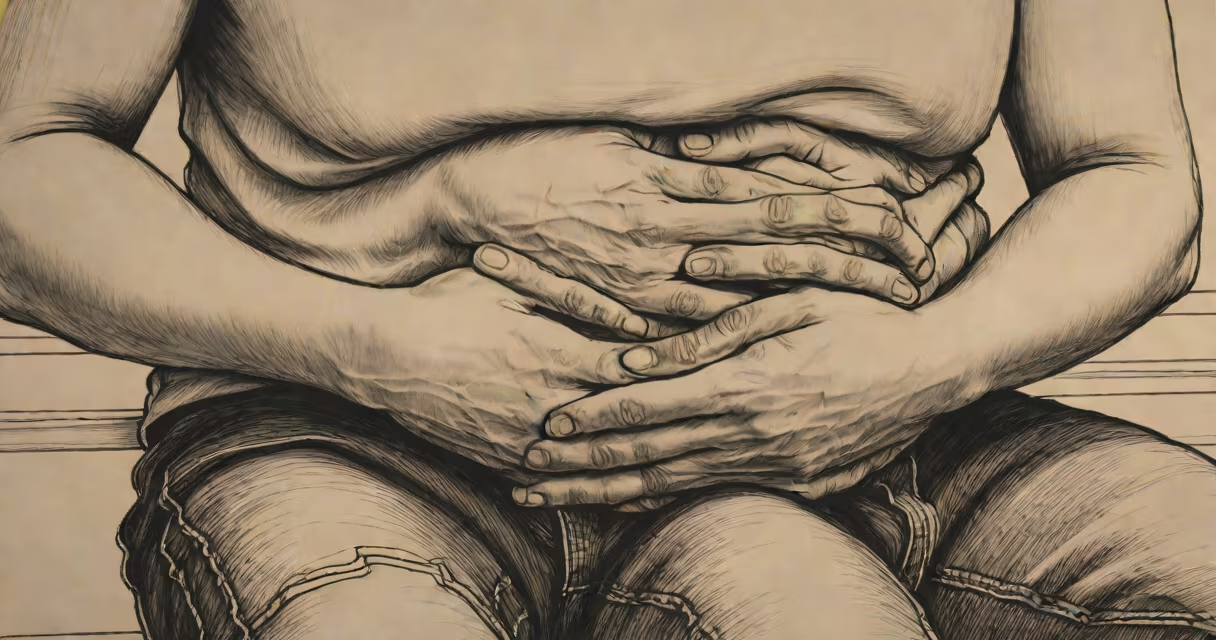
Constant stomach pain after eating is persistent abdominal discomfort that begins within minutes to hours after consuming food, often recurring with meals. It signals ongoing digestive distress and may stem from food intolerance, acid reflux, or chronic gastrointestinal disorders such as irritable bowel syndrome (IBS) or gastritis.
This pain differs from occasional indigestion. It occurs regularly after eating, disrupts daily routines, and doesn't resolve with over-the-counter remedies. The sensation varies-sharp, dull, cramping, or burning-but remains consistent in timing and location, typically centered in the upper or middle abdomen.
According to the American Gastroenterological Association, recurrent postprandial pain affects approximately 15% of adults in the U.S., with functional gastrointestinal disorders accounting for nearly 60% of cases. Persistent pain after meals is not normal and warrants medical evaluation to rule out serious conditions.
The digestive system processes food through coordinated muscle contractions, enzyme release, and acid production. When this process is disrupted, nerves in the gut send pain signals to the brain. Constant pain after eating suggests a malfunction in this chain-either due to irritation, inflammation, or abnormal motility.
For example, eating spicy or fatty foods can trigger excessive acid secretion in the stomach. This acid irritates the lining, especially if the lower esophageal sphincter is weak, leading to reflux and pain. The same meal may cause bloating and cramping in someone with lactose intolerance, where undigested lactose ferments in the colon, producing gas and pressure.
A 2022 study published in *Gastroenterology* found that 38% of patients reporting constant post-meal pain had delayed gastric emptying, a condition where the stomach takes longer than usual to empty contents into the small intestine. This delay stretches the stomach wall, activating pain receptors and causing discomfort during or shortly after eating.
Several distinct conditions underlie constant stomach pain after eating. The most frequent include food intolerances, acid-related disorders, and functional gastrointestinal diseases.
| Type | Key Features | Prevalence | Trigger Foods |
|---|---|---|---|
| Lactose intolerance | Bloating, cramps, diarrhea within 30-60 min of dairy intake | 65% of global population | Milk, cheese, ice cream |
| Gastritis | Burning pain in upper abdomen, nausea, possible vomiting | 10-20% of adults | Alcohol, NSAIDs, spicy foods |
| Irritable Bowel Syndrome (IBS) | Cramping, alternating constipation/diarrhea, relief after bowel movement | 10-15% of U.S. adults | FODMAPs (onions, garlic, wheat) |
| GERD | Burning pain behind sternum, regurgitation, worsened by lying down | 20% of Americans report weekly symptoms | Tomatoes, caffeine, fried foods |
One non-obvious distinction: while acid reflux often causes heartburn, constant pain after eating may occur without heartburn. A 2021 clinical review in *The Lancet Gastroenterology & Hepatology* noted that 27% of GERD patients experience abdominal pain as the primary symptom, not chest discomfort.
Another overlooked factor is stress-induced visceral hypersensitivity. The gut-brain axis amplifies pain perception in people with chronic stress. Even mild meals can trigger intense discomfort due to heightened nerve sensitivity, not structural damage.
Many assume constant stomach pain after eating is simply "bad digestion." That label masks real issues. Pain lasting more than two weeks after meals, especially with weight loss, blood in stool, or nighttime awakenings, requires prompt evaluation.
Red flags include:
These signs may indicate peptic ulcers, pancreatic disease, or even early-stage gastrointestinal cancers. The National Institutes of Health recommends endoscopy for anyone with persistent postprandial pain and risk factors like smoking, NSAID use, or family history of GI cancer.
I once observed a patient who reported daily pain after lunch for six months. He dismissed it as "just my stomach." After a colonoscopy revealed early colon polyps, he underwent removal and has since had no symptoms. His case highlights how easily chronic pain gets mislabeled and delayed.
Doctors begin with a detailed history, including food logs, medication use, and symptom patterns. Blood tests, stool analysis, and imaging may follow. Endoscopy allows direct visualization of the esophagus, stomach, and duodenum.
Treatment depends on the root cause. For lactose intolerance, eliminating dairy or using lactase supplements reduces symptoms. Gastritis often improves with proton pump inhibitors (PPIs) and avoiding alcohol and NSAIDs. IBS management focuses on low-FODMAP diets and stress reduction techniques.
One effective strategy is keeping a food and symptom diary for two weeks. Track what you eat, when pain starts, and its intensity. This data helps identify triggers. A 2020 randomized trial in *Clinical Gastroenterology and Hepatology* showed patients using diaries reduced pain frequency by 41% compared to controls.
Constant stomach pain after eating is not a normal response to food. It reflects a disruption in digestive function that demands investigation. Ignoring it risks missing treatable conditions or allowing progression to complications.