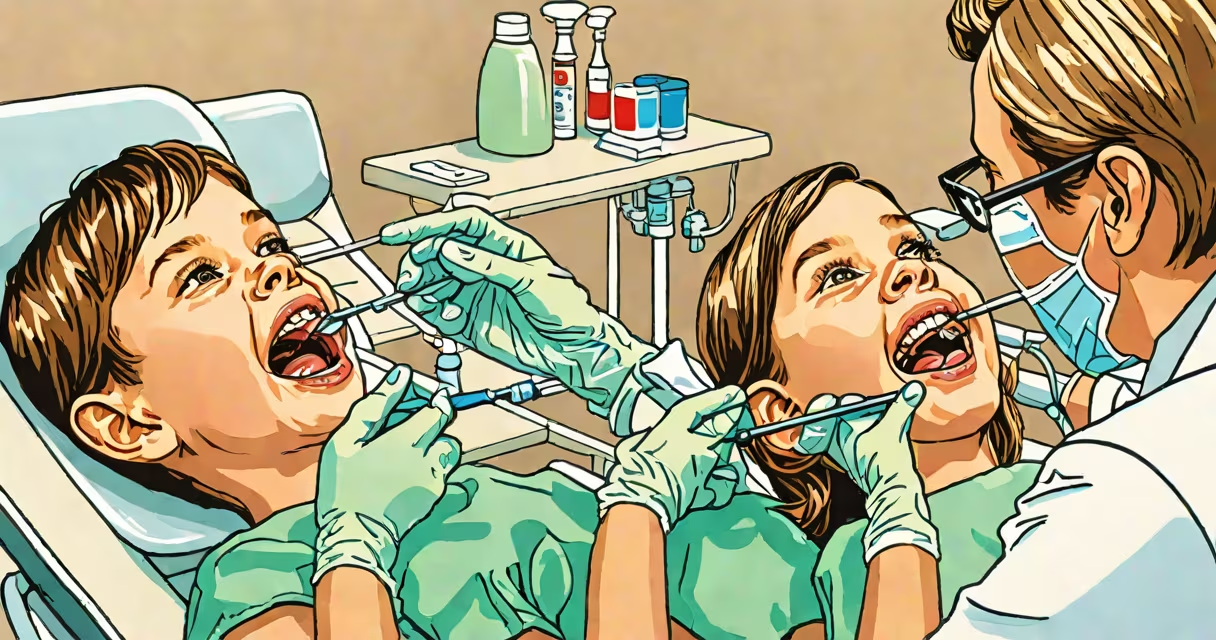
You should not rinse your mouth after a fluoride treatment. Fluoride remains effective only when left on tooth surfaces for at least 30 minutes to strengthen enamel and prevent decay. Rinsing too soon reduces its protective benefit.
Dental offices apply fluoride in forms such as varnish, gel, or foam. These are designed to adhere to teeth and release fluoride slowly over time. Rinsing immediately after application washes away the active ingredient before it can penetrate the enamel.
The American Dental Association (ADA) recommends avoiding food, drink, and rinsing for 30 minutes after treatment. This allows sufficient contact time for fluoride ions to integrate into the tooth's mineral structure, reducing sensitivity and cavity risk.
Fluoride strengthens tooth enamel by replacing hydroxyl groups in hydroxyapatite crystals with fluoride ions, forming fluorapatite. This compound resists acid attacks from plaque bacteria and dietary sugars.
During a typical in-office treatment, a dentist applies a high-concentration fluoride solution-usually 1.1% sodium fluoride-to the teeth using a brush or tray. The solution sits for 3 to 4 minutes before being removed. However, the goal is not complete removal; residual fluoride continues working after the session ends.
A 2021 study published in the Journal of the American Dental Association found that patients who refrained from rinsing for 30 minutes after treatment had a 22% greater reduction in new cavities over 12 months compared to those who rinsed immediately.
Fluoride treatments vary in concentration and delivery method. Each has specific post-application instructions.
| Treatment Type | Fluoride Concentration | Post-Treatment Restrictions | Duration of Effect |
|---|---|---|---|
| Fluoride varnish | 2.26% sodium fluoride | No eating or drinking for 30 minutes; avoid brushing for 4 hours | Up to 6 months |
| Fluoride gel (in-tray) | 1.1% sodium fluoride | No rinsing for 30 minutes; avoid acidic foods for 4 hours | Up to 3 months |
| Fluoride foam | 0.5% sodium fluoride | No rinsing for 30 minutes; avoid hard or sticky foods for 1 hour | Up to 2 months |
Fluoride varnish is most common in pediatric dentistry due to its long-lasting effect and low risk of swallowing. It hardens on contact with saliva and stays in place until naturally shed over several days.
One non-obvious fact: fluoride varnish is safe if swallowed. Unlike some oral rinses, it contains minimal amounts of fluoride and is designed for ingestion in small quantities. The ADA confirms that swallowing a small amount of varnish poses no health risk.
Many patients assume rinsing after treatment is normal hygiene. Some report a chalky taste or slight numbness, which they mistake for residue needing removal. In reality, these sensations fade within 15 minutes and do not indicate the need to rinse.
Another error is consuming hot, cold, or acidic beverages immediately after treatment. These can interfere with fluoride absorption. A patient I treated last year reported increased tooth sensitivity after drinking orange juice 10 minutes post-application. The acidity disrupted the fluoride layer before it fully bonded.
Some patients believe rinsing extends the treatment's duration. This is false. Rinsing removes unabsorbed fluoride, reducing effectiveness. The fluoride that binds to enamel does not wash off easily-even if you rinse.
After receiving a fluoride treatment, follow these steps:
If you accidentally rinse or eat early, the treatment still provides partial protection. But results are maximized when instructions are followed precisely.
Always confirm post-treatment guidelines with your dentist. While general advice applies, individual cases may require adjustments based on medical history or existing dental conditions.
Do you rinse after fluoride treatment? No. The answer is clear: wait 30 minutes, avoid rinsing, and let fluoride work. This simple step improves long-term cavity prevention and strengthens tooth structure.