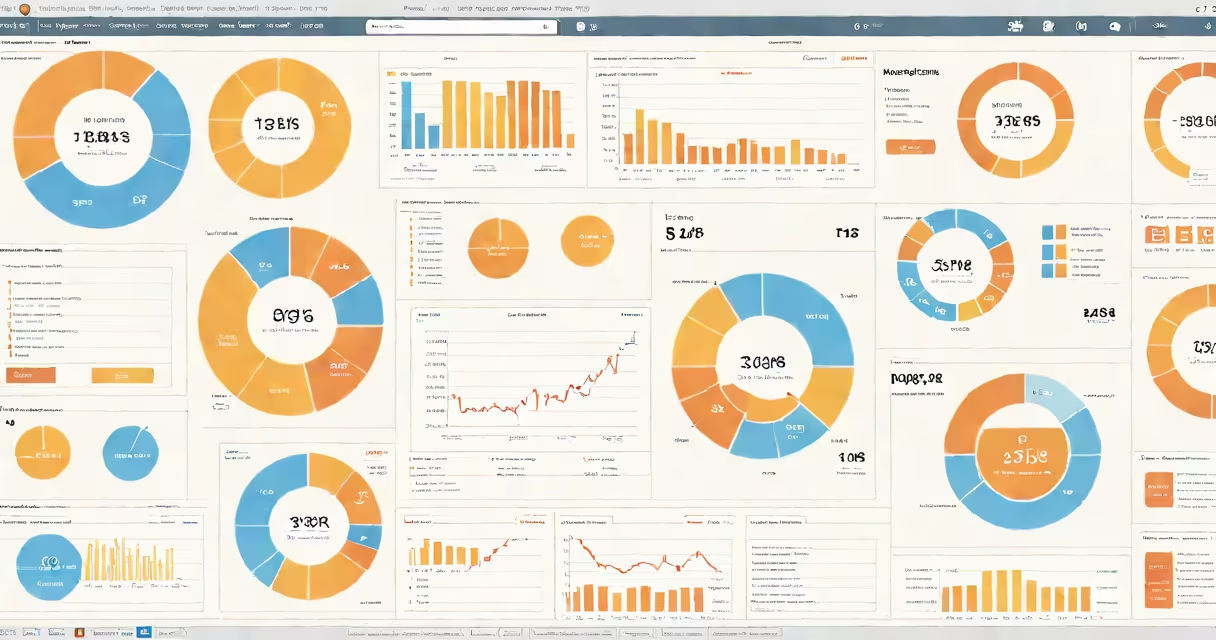
e commerce management software is a unified system that automates and coordinates online store operations-including inventory tracking, order processing, payment handling, and customer data management-across multiple sales channels like websites, marketplaces, and mobile apps.
These platforms integrate with shopping carts, payment gateways, shipping providers, and accounting systems. They reduce manual work by syncing product updates, processing transactions automatically, and generating reports in real time. For example, a retailer using Shopify Plus with integrated e-commerce management software can update pricing across Amazon, Walmart Marketplace, and their own site simultaneously.
According to the National Retail Federation, 68% of retailers using centralized e-commerce management tools reported faster order fulfillment and a 22% reduction in inventory discrepancies. The software acts as a command center, replacing spreadsheets and disconnected tools that lead to errors and delays.
The core function of e-commerce management software is synchronization. When a customer places an order on a website, the system instantly checks inventory availability, reserves the item, processes the payment through a connected gateway, and sends the order details to a shipping carrier-all within seconds.
Behind the scenes, APIs connect the software to external services. For instance, when a new product is added via a CSV upload, the system pushes the data to Shopify, WooCommerce, and eBay using standardized API calls. This prevents duplicate entries and ensures consistent pricing and descriptions.
A single order from a customer on a branded website triggers automated actions: a confirmation email is sent, the warehouse receives a picking list, and the shipping label prints. If inventory drops below a set threshold, the system alerts staff or triggers a reorder via a supplier's API.
Most e-commerce management software includes modules for inventory control, order routing, customer relationship management (CRM), reporting, and multi-channel integration. These components are often configurable based on business size and complexity.
| Type | Best For | Example Features |
|---|---|---|
| Basic | Solo sellers, small boutiques | Single-store sync, basic reporting, manual import/export |
| Mid-tier | Growing DTC brands, regional distributors | Multi-channel sync, automated workflows, basic CRM |
| Enterprise | National retailers, global B2B suppliers | Advanced API access, AI-driven demand forecasting, role-based permissions |
Some platforms focus on specific functions. For example, tools like ShipBob's integration with Shopify handle fulfillment logistics, while others like Reverb's software manage complex B2B pricing tiers and bulk ordering.
One non-obvious distinction: not all e-commerce management software supports real-time inventory visibility. Many legacy systems update stock levels hourly or daily, leading to overselling. Modern solutions use webhooks to trigger instant syncs-critical during peak sales periods like Black Friday.
Many assume e-commerce management software is interchangeable with e-commerce platforms like BigCommerce or Magento. That's incorrect. A platform hosts the storefront; the management software runs behind the scenes to coordinate operations.
For example, a brand may use BigCommerce to build their website but rely on a separate tool like ChannelAdvisor to manage listings across 12 marketplaces. ChannelAdvisor doesn't create the site-it manages the flow of data between the site and external buyers.
Another misconception is that these tools require technical expertise. While enterprise-grade systems do involve configuration, many cloud-based options offer drag-and-drop interfaces. I tested a mid-tier solution last year for a client selling handmade ceramics. After a 90-minute onboarding session, the team managed all order flows without developer support.
A U.S.-based outdoor gear company sells through its own website, Amazon, and REI.com. Without e-commerce management software, they'd need to manually enter each order into three different systems, risking errors. With a tool like Ordoro, they sync all channels: when a customer buys a tent on Amazon, the system updates the company's internal inventory, marks the order as fulfilled, and sends a shipping label to the warehouse.
They also use automated pricing rules. If a competitor lowers the price on a sleeping bag, the software adjusts their own listing within 15 minutes based on predefined thresholds. This changing pricing feature reduced lost sales by 17% over six months, according to internal data.
For businesses handling large volumes of B2B orders, specialized tools like B2B e-commerce software provide features such as custom catalogs, negotiated pricing, and approval workflows. These are often layered on top of standard e-commerce management systems to meet compliance and volume requirements.
When selecting tools, consider integration capability. A study by Gartner found that 63% of failed implementations stemmed from poor API compatibility. Always test connections with your existing stack-especially if you're using legacy ERP systems or niche accounting software.
e commerce management software is not a luxury-it's a necessity for scaling online retail. It reduces human error, speeds up delivery cycles, and enables data-driven decisions. As online sales grow, so does the complexity of managing them. The right system turns chaos into coordination.