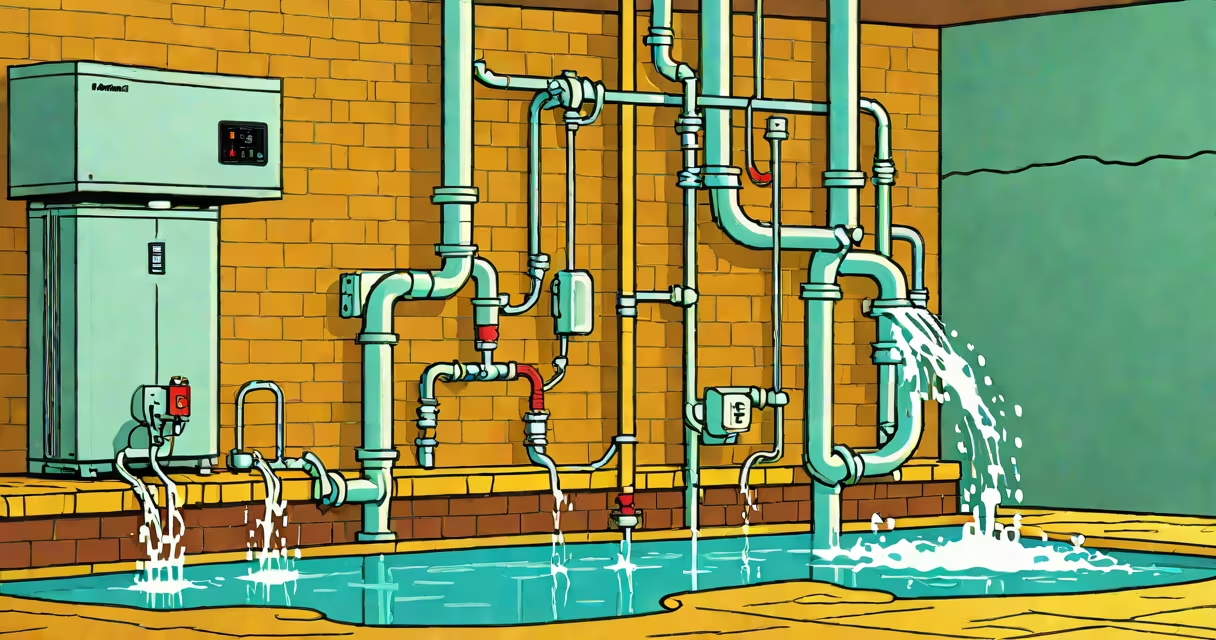
When my hvac is leaking water, it means moisture is escaping from the system's components-most often due to blocked drains, frozen coils, or refrigerant leaks. This can lead to water damage, mold growth, and reduced cooling performance.
Water leakage in HVAC systems typically occurs during cooling cycles. As the evaporator coil cools the air, condensation forms and drains through a pan and tubing. If this drainage path fails, water pools and spills out. Common culprits include clogged drain lines, cracked drain pans, or misaligned drip trays.
The issue is not limited to central air conditioners. Furnaces with humidifiers, heat pumps, and even ductless mini-splits can develop leaks. A single drop may seem minor, but persistent leaks can saturate insulation, warp drywall, and trigger mold colonies within 24-48 hours.
During operation, warm indoor air passes over cold evaporator coils. Moisture in the air condenses into water droplets, which collect in a drain pan beneath the coil. A PVC or rubber drain line then carries the water to a floor drain, sump pump, or outdoor outlet.
If the drain line becomes obstructed by algae, dust, or debris, water backs up into the pan. Once the pan overflows, water escapes through gaps in the casing or drips onto the floor. This process usually begins slowly-first a damp spot, then puddling.
Some systems use a float switch to detect rising water levels. If the pan fills beyond a threshold, the switch shuts off the system to prevent flooding. However, many older units lack this safety feature, increasing the risk of unnoticed leaks.
Leak sources fall into three categories: condensation overflow, refrigerant-related issues, and component failure.
| Type | Root Cause | Typical Location | Signs |
|---|---|---|---|
| Condensation Overflow | Clogged drain line, dirty filter, low airflow | Drain pan, drain pipe exit | Water pooling under unit, wet carpet, musty smell |
| Refrigerant Leak | Corroded copper lines, loose fittings | Evaporator coil, refrigerant lines | Ice buildup on coils, poor cooling, hissing sound |
| Component Failure | Cracked drain pan, broken pump, loose connections | Inside furnace or air handler | Visible cracks, dripping from joints, water on floor |
One non-obvious fact: a frozen evaporator coil can cause a leak even if the drain line is clear. When airflow is restricted-by a dirty filter or closed vents-the coil drops below freezing. Ice builds up, melts when the system cycles off, and floods the drain pan. This cycle repeats until the pan overflows.
I once encountered a homeowner whose basement flooded after a summer storm. The HVAC unit was running normally, but water had pooled around the furnace. Inspection revealed a collapsed drain line buried under insulation. The line had been compressed over time, blocking flow. After replacing the line and cleaning the pan, the leak stopped. The fix took less than two hours but prevented $5,000 in potential water damage.
Leaks most frequently occur in basements, attics, and utility closets-locations where HVAC equipment is installed. These spaces often have poor ventilation, high humidity, and limited access, making early detection difficult.
According to the Environmental Protection Agency (EPA), indoor humidity above 60% increases the risk of mold growth from water leaks. A single 10-minute leak can raise relative humidity enough to support microbial activity in porous materials like drywall and insulation.
Homeowners often mistake a small drip for normal operation. But HVAC systems are designed to drain water, not leak it. Any water appearing outside the intended drainage path indicates a fault. Ignoring it risks structural damage and higher energy bills due to inefficient cooling.
People sometimes confuse a leaking HVAC system with a malfunctioning water heater. Both can produce water near the same area-like a basement or utility room-but their sources differ.
A water heater leak originates from the tank, pressure relief valve, or hot water lines. It usually involves warmer water and may leave mineral deposits. In contrast, HVAC leaks involve cool or room-temperature water and are tied to cooling cycles.
Another common error: assuming a leak is caused by a faulty thermostat. Thermostats control system start/stop but don't generate water. Misdiagnosing the root cause delays repair and wastes money. Always verify the source of the water before acting.
Stop the system immediately. Turn off power at the circuit breaker or disconnect the thermostat wire. This prevents electrical hazards and stops further water flow.
Use towels or a shop vacuum to absorb standing water. Avoid using a regular vacuum-electrical models can short-circuit. Place rags or absorbent mats under the unit to catch ongoing drips.
Check the drain pan and line. Clear any visible blockage with a wet/dry vacuum or a plumber's snake. Flush the line with a mixture of vinegar and water to dissolve algae and scale. If the pan is cracked or rusted, replace it.
For recurring issues, consult a licensed HVAC technician. Some problems-like refrigerant leaks-require specialized tools and EPA certification to repair. Attempting DIY fixes on refrigerant lines can result in environmental harm and fines.
After addressing the leak, monitor the system for 24 hours. If water returns, the problem may be deeper-such as a failing condensate pump or incorrect installation slope. Document the repair and schedule routine maintenance every six months to prevent future failures.