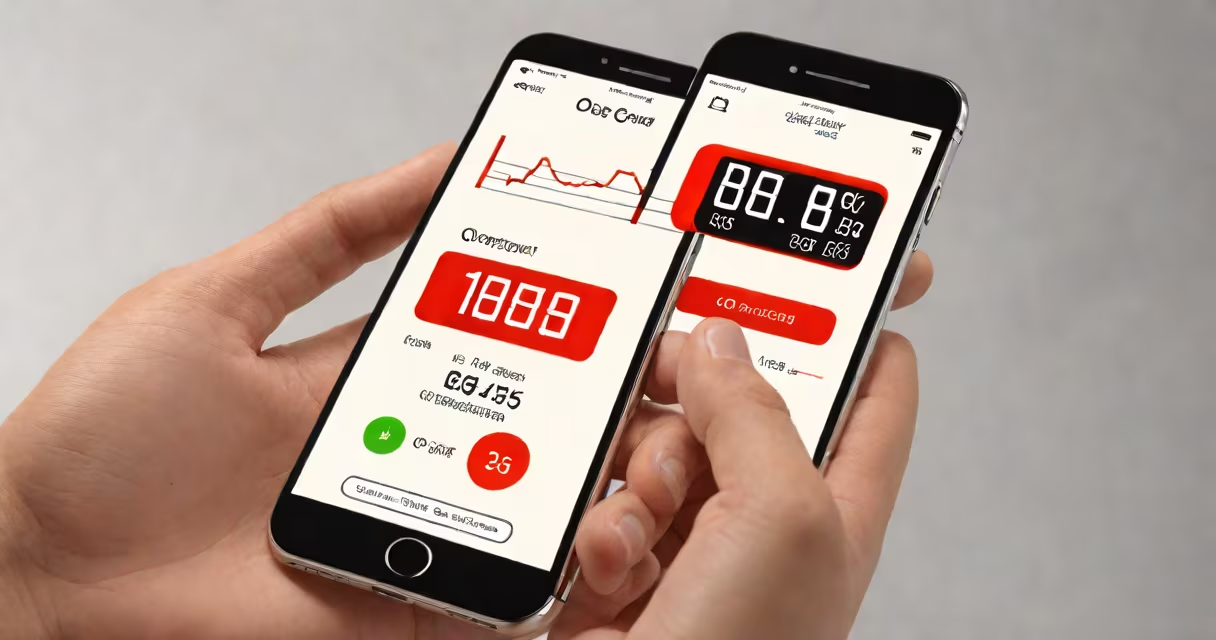
Blood oxygen percentage, or arterial oxygen saturation (SpO2), is the proportion of hemoglobin molecules in red blood cells carrying oxygen. A normal reading is 94% to 100%. Values below 90% indicate hypoxemia and may require medical evaluation.
SpO2 is measured non-invasively using a pulse oximeter, a small device clipped to the fingertip or earlobe. The device emits light at two wavelengths-red and infrared-and calculates oxygen saturation based on how much light passes through the tissue. This method relies on the difference in light absorption between oxygenated and deoxygenated hemoglobin.
For most people, SpO2 remains stable during rest and moderate activity. However, it can drop during sleep, at high altitudes, or due to respiratory or cardiovascular conditions. A reading below 90% signals insufficient oxygen delivery to tissues and warrants investigation.
Pulse oximeters use photoplethysmography, a technique that detects changes in blood volume and oxygenation. The sensor sends out red (660 nm) and infrared (940 nm) light. Oxygenated hemoglobin absorbs more infrared light and allows more red light to pass through. Deoxygenated hemoglobin shows the opposite pattern.
The device calculates the ratio of absorbed red to infrared light and maps it to a percentage using calibration data from clinical studies. Modern devices apply algorithms to filter motion artifacts and improve accuracy in real-world settings.
While pulse oximetry is widely used, it has limitations. Accuracy decreases in cases of poor circulation, nail polish, skin pigmentation, or severe anemia. In critical care, arterial blood gas analysis remains the gold standard for confirming oxygen levels.
Normal blood oxygen percentage ranges from 94% to 100%. Values between 90% and 93% are considered borderline and may prompt further testing. Readings below 90% indicate hypoxemia and require intervention.
According to the American Thoracic Society, SpO2 below 90% during rest or exertion correlates with increased risk of hospitalization and mortality in patients with chronic lung disease. For healthy individuals, temporary drops below 90% during exercise or high altitude are common and typically resolve with rest.
A sustained SpO2 below 88% while breathing room air is a sign of significant respiratory impairment. This level often requires supplemental oxygen therapy and immediate medical assessment.
Low blood oxygen percentage results from impaired gas exchange in the lungs, reduced cardiac output, or decreased inspired oxygen. Conditions affecting the lungs-such as pneumonia, pulmonary edema, or acute respiratory distress syndrome (ARDS)-can limit oxygen diffusion into the bloodstream.
Chronic obstructive pulmonary disease (COPD) reduces airflow and traps carbon dioxide, leading to persistent hypoxemia. Sleep apnea causes intermittent drops in SpO2 during episodes of apnea, especially in the rapid eye movement (REM) stage of sleep.
Cardiac issues such as heart failure or congenital heart defects can result in poor oxygen delivery. In these cases, blood may bypass the lungs entirely, causing cyanosis and low SpO2 despite adequate lung function.
| Condition | Typical SpO2 Range | Key Mechanism |
|---|---|---|
| COPD exacerbation | 85%-92% | airway obstruction and ventilation-perfusion mismatch |
| Acute pneumonia | 88%-94% | alveolar fluid impairs gas exchange |
| Obstructive sleep apnea | 80%-89% | repeated apneas reduce oxygen intake |
| High-altitude exposure | 85%-90% | lower atmospheric oxygen pressure |
One non-obvious factor is the impact of smoking. Chronic smokers often show lower baseline SpO2 due to carbon monoxide binding to hemoglobin, reducing its oxygen-carrying capacity. This effect persists even when lung function appears normal on spirometry.
SpO2 reflects the efficiency of oxygen uptake in the lungs and delivery to tissues. A low value indicates either inadequate oxygen in the air, impaired lung function, or circulatory problems. It does not measure carbon dioxide levels or acid-base balance.
For example, a patient with severe asthma may have SpO2 of 89% during an attack due to bronchoconstriction limiting airflow. After treatment with albuterol, SpO2 rises to 96%, indicating improved airway patency and gas exchange.
Seek immediate care if SpO2 drops below 90% at rest, especially with symptoms like shortness of breath, confusion, or chest pain. These signs suggest acute respiratory failure or cardiac compromise.
I experienced this firsthand during a hiking trip at 10,000 feet elevation. My pulse oximeter read 87% despite feeling fine. After descending 1,500 feet and resting, my SpO2 returned to 94%. This confirmed altitude-induced hypoxia, which resolved with acclimatization.
For individuals with known lung or heart disease, a drop of 5% or more from baseline warrants contact with a healthcare provider. Home monitoring with a pulse oximeter can detect early deterioration before symptoms worsen.
SpO2 above 100% is technically impossible under normal conditions. Devices may report values above 100% due to signal noise or algorithmic error. True hyperoxia occurs only in rare clinical scenarios, such as breathing 100% oxygen under pressure.
Causes of elevated blood oxygen include mechanical ventilation with high FiO2 (fraction of inspired oxygen), hyperbaric oxygen therapy, or certain metabolic disorders. Prolonged exposure to high oxygen levels can lead to oxidative stress and lung injury.
According to the National Institutes of Health, oxygen toxicity becomes a concern when SpO2 exceeds 100% for more than 24 hours in mechanically ventilated patients. Monitoring is essential to avoid complications.
Normal blood oxygen percentage varies slightly with age. Infants typically have higher SpO2 than adults, with values around 95% to 100% at birth. By age 60, average SpO2 declines by 1-2 percentage points due to reduced lung elasticity and alveolar surface area.
Home pulse oximeters are accurate within ±2% of reference values when used correctly. The FDA classifies these devices as Class II medical devices, requiring performance validation and labeling of limitations.
For context, a reading of 92% during a cold may reflect mild inflammation in the airways. But if it persists for more than 24 hours or drops further, it suggests worsening infection or developing pneumonia.
Values above 100% are not physiologically possible. If a device reports this, verify placement, check for motion, and recalibrate. Persistent readings above 100% may indicate sensor malfunction or incorrect calibration.
Understanding blood oxygen percentage enables informed decisions about health. Knowing normal ranges and warning signs helps identify when to act. Always consult a clinician for abnormal or persistently low readings.