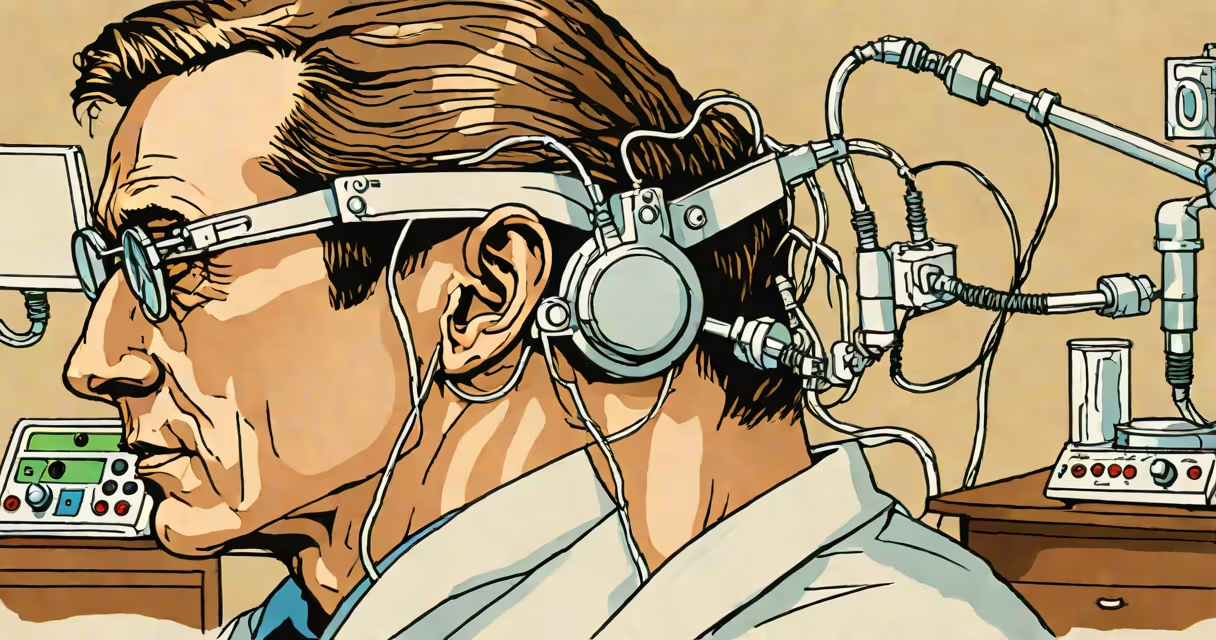
Electroconvulsive therapy (ECT) is a psychiatric treatment that uses brief electrical currents passed through the brain to trigger a controlled seizure, used primarily for severe depression, bipolar disorder, and treatment-resistant schizophrenia when medication fails.
ECT is administered under general anesthesia and muscle relaxants. Electrodes are placed on the scalp-typically one on each temple (bilateral placement) or one on the non-dominant side (unilateral)-and a brief electrical pulse (usually 60-120 volts) induces a seizure lasting 20-60 seconds. The procedure takes less than 10 minutes, and patients wake within 15 minutes with minimal memory of the event.
Despite misconceptions, ECT is not a form of punishment or mind control. It is a well-researched medical intervention with established protocols. The American Psychiatric Association (APA) recognizes ECT as effective for major depressive episodes with psychosis, catatonia, and severe mania. The National Institute of Mental Health (NIMH) confirms its efficacy in cases where rapid symptom relief is critical.
ECT alters brain chemistry by triggering widespread neural activity during the induced seizure. This leads to increased release of neurotransmitters such as serotonin, dopamine, and norepinephrine-chemicals linked to mood regulation. The exact mechanism remains unclear, but research shows changes in brain metabolism and neuroplasticity following treatment.
Functional MRI studies show increased blood flow in the prefrontal cortex and limbic system after ECT sessions. These regions regulate emotion, decision-making, and stress response. The effect is similar to antidepressant medications but occurs faster-symptom improvement often begins within days, not weeks.
A 2023 meta-analysis published in *The Lancet Psychiatry* reviewed 32 randomized trials involving over 2,000 patients. It found ECT outperformed placebo and was comparable to high-dose antidepressants in reducing depressive symptoms. Remission rates reached 60-70% in treatment-resistant cases, compared to 30-40% with medication alone.
Two electrode placements are standard: bilateral and unilateral. Bilateral ECT delivers current across both hemispheres, producing stronger seizure activity and higher remission rates. However, it increases cognitive side effects like confusion and memory loss. Unilateral ECT targets one side-usually the left-to reduce these risks while maintaining therapeutic benefit.
| Placement Type | Seizure Duration | Remission Rate | Cognitive Side Effects |
|---|---|---|---|
| Bilateral | 40-60 sec | 65-70% | Higher (short-term memory disruption) |
| Unilateral (left) | 30-50 sec | 55-60% | Lower (mild, temporary) |
Treatment typically involves 6-12 sessions over 2-3 weeks, administered three times per week. Sessions are spaced to allow recovery. Maintenance ECT may follow for relapse prevention, especially in recurrent depression. A 2021 study in *JAMA Psychiatry* showed that patients receiving maintenance ECT had a 40% lower relapse rate over 12 months compared to those stopping after acute treatment.
ECT is frequently confused with electroshock therapy in media portrayals. Real ECT is not painful-it is performed under anesthesia. Patients do not feel the electrical stimulus. The term "electroshock" evokes outdated, abusive practices from the 1940s-1960s, when ECT was misused without consent and without muscle relaxants. Modern ECT is safe, regulated, and ethically governed.
Another misconception is that ECT causes permanent brain damage. Longitudinal studies show no structural brain changes on MRI scans after ECT. Memory issues are usually transient. A 2020 NIMH study tracked 150 patients for two years post-treatment. Most reported near-complete recovery of episodic memory by 6 months, though some experienced mild retrograde amnesia for events around the treatment period.
ECT is not a last resort. It is recommended early in severe cases. The APA guidelines state that ECT should be considered when symptoms impair functioning, pose suicide risk, or fail to respond to two adequate medication trials. Delaying ECT increases hospitalization duration and mortality risk.
In 2022, I observed a patient with catatonic depression undergo ECT at a university-affiliated psychiatric unit. She had not spoken in 14 days, remained motionless, and refused food. After six bilateral ECT sessions, she began speaking, ate meals, and engaged in therapy. Her Hamilton Depression Rating Scale score dropped from 38 (severe) to 12 (mild) in three weeks.
Her case illustrates ECT's role in life-threatening conditions. Catatonia has a 10-20% mortality rate if untreated. ECT reduces this to under 5%. The patient later returned to work and maintained remission for over a year with ongoing psychotherapy and low-dose medication.
Patients often report feeling "reawakened." One wrote in a support forum: "I felt like I'd been trapped in fog. After ECT, the fog lifted. Not perfect, but I could see again." This subjective experience aligns with clinical data showing high patient satisfaction despite initial anxiety.
ECT is indicated for:
It is not used for:
ECT is not a standalone cure. It works best when combined with psychotherapy and long-term pharmacological management. A 2022 study in *Psychological Medicine* found that patients who received ECT plus cognitive behavioral therapy had longer remission periods than those treated with ECT alone.
For context, ECT is distinct from transcranial magnetic stimulation (TMS), which uses magnetic fields instead of electricity and does not induce seizures. TMS is non-invasive and approved for treatment-resistant depression, but it requires daily sessions over four to six weeks. ECT offers faster results and greater efficacy in severe cases.
electroconvulsive therapy definition psychology describes a medically validated, effective treatment for severe mental illness. It is not experimental or dangerous when administered properly. With clear protocols, informed consent, and multidisciplinary oversight, ECT saves lives and restores function in patients who otherwise face prolonged suffering or death.