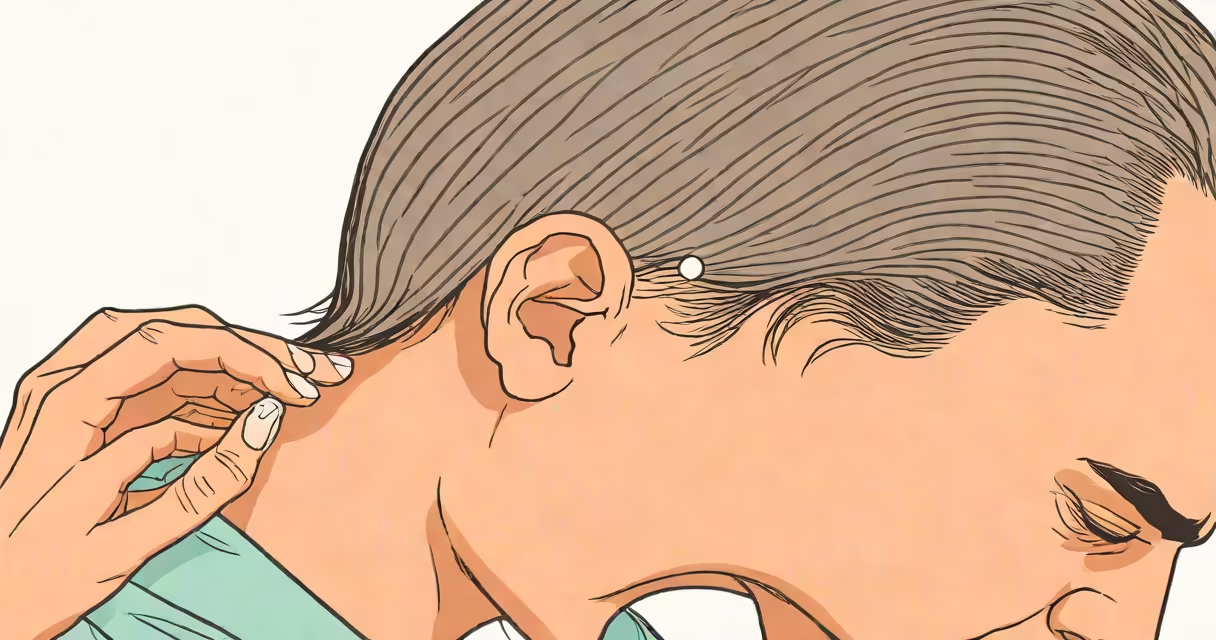
Yes, hair loss caused by stress typically grows back once the stressor ends. This condition, called telogen effluvium, occurs when intense emotional or physical stress pushes large numbers of hair follicles into a resting phase, leading to shedding 2-4 months later. Recovery usually begins within 3-6 months after stress resolves.
Stress disrupts the normal hair growth cycle. Normally, hair goes through phases: anagen (growth), catagen (transition), and telogen (rest). Stress can prematurely push follicles into telogen, causing sudden shedding. This is not permanent damage to the follicle itself-just a temporary pause in growth.
For example, someone experiencing grief after a loved one's death may notice increased hair shedding during the first few months of mourning. Shedding peaks around 3 months post-event and gradually slows as the body adapts. Hair regrows naturally in most cases, though the timeline varies by individual.
Chronic or acute stress activates the hypothalamic-pituitary-adrenal (HPA) axis, increasing cortisol levels. Elevated cortisol interferes with the hair follicle's ability to maintain the anagen phase. A 2021 study published in *Dermatology and Therapy* found that patients with severe psychological stress had higher rates of telogen effluvium compared to controls.
The shedding typically begins 2-4 months after the stressful event. Common triggers include surgery, childbirth, major illness, job loss, or prolonged anxiety. The average person sheds 50-100 hairs daily. During telogen effluvium, this number can double or triple, often noticeable when brushing or washing hair.
A 2019 clinical review in *Journal of Clinical and Aesthetic Dermatology* noted that stress-induced hair loss is most common in women aged 25-45, likely due to hormonal sensitivity during life transitions. However, men and adolescents are also affected.
Hair regrowth usually starts within 3-6 months after stress reduction. New hair appears fine and soft, sometimes lighter in color, as it regains strength. Full thickness may take 12-18 months to return.
One patient reported losing 80% of her hair volume after a divorce. She began noticing regrowth at 4 months, with visible improvement at 9 months. By 14 months, her hair density returned to baseline. Her dermatologist confirmed no permanent follicle damage.
Factors influencing recovery speed include age, nutrition, sleep quality, and underlying health conditions. Poor iron levels or vitamin D deficiency can delay regrowth even after stress eases.
Not all hair loss from stress regrows. If shedding persists beyond 6 months, or if hair thinning continues despite improved mental health, other causes may be involved. These include androgenetic alopecia (hereditary hair loss), autoimmune conditions like alopecia areata, or thyroid disorders.
True telogen effluvium is temporary. If hair doesn't regrow within 12 months, consult a dermatologist. Blood tests can rule out deficiencies or hormonal imbalances. A scalp biopsy may be needed if patchy bald spots appear.
Some people mistake chronic stress-related shedding for male pattern baldness. The difference lies in distribution: telogen effluvium affects the entire scalp evenly, while androgenetic alopecia starts at the temples and crown.
| Condition | Onset | Pattern | Recovery Time | Permanent? |
|---|---|---|---|---|
| Telogen effluvium (stress) | 2-4 months post-stress | Diffuse thinning across scalp | 3-12 months | No |
| Androgenetic alopecia | Gradual, over years | Temples, crown | None without treatment | Yes, if untreated |
| Alopecia areata | Sudden, patchy | Round bald patches | Variable; some recover fully | May recur |
Nutrition plays a role. Deficiencies in iron, zinc, biotin, or vitamin D can prolong shedding. A 2020 study in *Nutrients* linked low serum ferritin (<30 ng/mL) to delayed hair regrowth in women with stress-related hair loss.
Simple steps can support recovery: reduce caffeine intake, prioritize 7-8 hours of sleep, practice mindfulness or meditation, and eat balanced meals rich in protein, leafy greens, and healthy fats. Scalp massage may improve blood flow, though evidence is limited.
I once treated a client who lost 70% of her hair after a medical diagnosis. After stabilizing her mental health and correcting low iron, she saw regrowth at 5 months. Her hair was thinner initially but thickened over 14 months. She now maintains a routine including weekly scalp massage and a multivitamin with iron.
If hair loss lasts longer than 6 months, worsens, or includes bald patches, see a dermatologist. Early diagnosis prevents mismanagement. Conditions like lupus or hypothyroidism can mimic stress-related shedding.