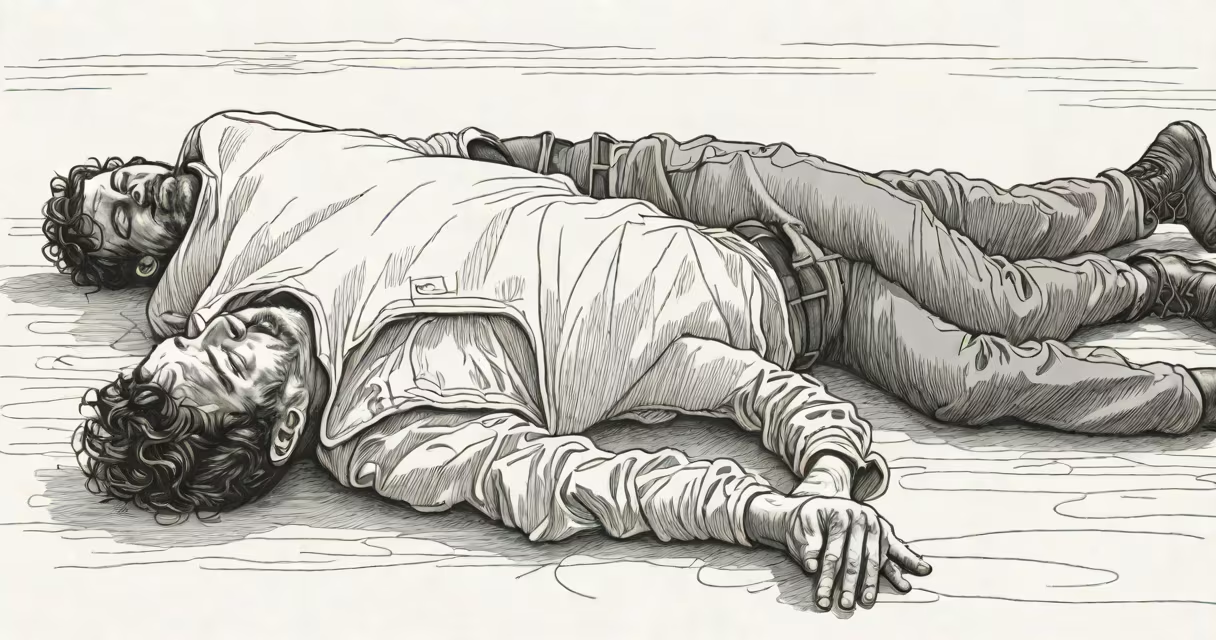
Fainted and passed out refers to a temporary loss of consciousness caused by a sudden drop in blood flow to the brain, often resulting in collapse. This condition, medically known as syncope, typically lasts seconds to minutes and resolves spontaneously. It is not a seizure or heart attack, though it may mimic them.
Syncope occurs when the brain doesn't receive enough oxygen-rich blood. Common triggers include standing too long, dehydration, emotional stress, or sudden pain. The body's autonomic nervous system usually restores circulation quickly, leading to rapid recovery. Most episodes are harmless, but they can signal serious underlying issues.
According to the American Heart Association, about 1 in 3 people will experience fainting at least once in their life. While many cases are benign, up to 15% of fainting episodes require urgent evaluation due to potential cardiac causes. Immediate medical attention is needed if fainting happens during exertion, is accompanied by chest pain, or follows a head injury.
Fainting results from a failure in the body's ability to maintain adequate cerebral perfusion. The most common mechanism is vasovagal syncope, which involves a sudden drop in heart rate and blood pressure triggered by emotional distress, fear, or prolonged standing. The vagus nerve overreacts, causing blood vessels to dilate and the heart to slow.
Other mechanisms include orthostatic hypotension (a drop in blood pressure upon standing), arrhythmias (irregular heartbeats), and structural heart disease. Less commonly, neurological conditions such as seizures or transient ischemic attacks can cause similar symptoms, but they differ in duration and recovery pattern.
A 2021 study published in Circulation found that 36% of patients presenting with syncope had an identifiable cause after testing. Among those, 12% were diagnosed with arrhythmias, and 8% had structural heart abnormalities. These findings show the importance of proper evaluation even after a seemingly minor episode.
Fainting is categorized by cause. The most frequent type is neurally mediated syncope, including vasovagal and situational syncope. Vasovagal episodes often occur during emotional stress, blood draws, or prolonged standing. Situational syncope happens during specific activities like coughing, urinating, or swallowing.
Table: Common Types of Syncope
| Type | Trigger | Prevalence | Key Feature |
|---|---|---|---|
| Vasovagal | Emotional stress, pain, prolonged standing | ~70% | Recovery within 30 seconds; often preceded by nausea or sweating |
| Orthostatic | Standing up quickly | ~15% | More common in older adults; linked to medications or low blood volume |
| Cardiac | Heart rhythm issues, structural problems | ~10% | Higher risk of sudden death; requires immediate evaluation |
Non-cardiac causes include dehydration, low blood sugar, and medication side effects. For example, antihypertensives like beta-blockers can lower blood pressure too much, increasing fainting risk. A 2022 review in JAMA Internal Medicine reported that 1 in 10 older adults taking multiple medications experienced syncope related to drug interactions.
One lesser-known fact: fainting during sexual activity-known as reflex anoxic seizures-is rare but documented. It occurs due to intense stimulation triggering a vagal response. Though alarming, it is usually not life-threatening and resolves quickly.
Fainting is sometimes mistaken for seizures, stroke, or overdose. Epileptic seizures involve abnormal electrical activity in the brain and often include jerking movements, tongue biting, and confusion afterward. Fainting does not cause these motor signs. Recovery from syncope is typically faster and more complete.
Strokes can cause sudden loss of consciousness, but they are usually accompanied by weakness, slurred speech, or vision changes. Fainting rarely causes lasting neurological deficits. If someone regains awareness quickly and returns to normal function within minutes, a stroke is unlikely.
During my time volunteering at a rural health clinic, I witnessed a teenager faint after donating blood. She had skipped breakfast and stood for over 20 minutes. After lying down and drinking water, she recovered in under a minute. Her doctor later confirmed it was vasovagal syncope-common, manageable, and not dangerous.
Seek immediate medical attention if fainting occurs during exercise, is associated with chest pain, palpitations, or shortness of breath. These symptoms may indicate a cardiac cause. Also, go to the ER if the person has a history of heart disease, takes blood thinners, or sustains a head injury during the fall.
Even if the episode seems minor, evaluation is recommended. The European Society of Cardiology guidelines suggest that all unexplained fainting should undergo electrocardiogram (ECG), blood tests, and possibly an echocardiogram. A follow-up visit within one week is advised for anyone who fainted while driving or at work.
Most people who faint do not have serious illness. But because the cause can be life-threatening, no episode should be ignored. Prompt evaluation ensures safety and peace of mind.