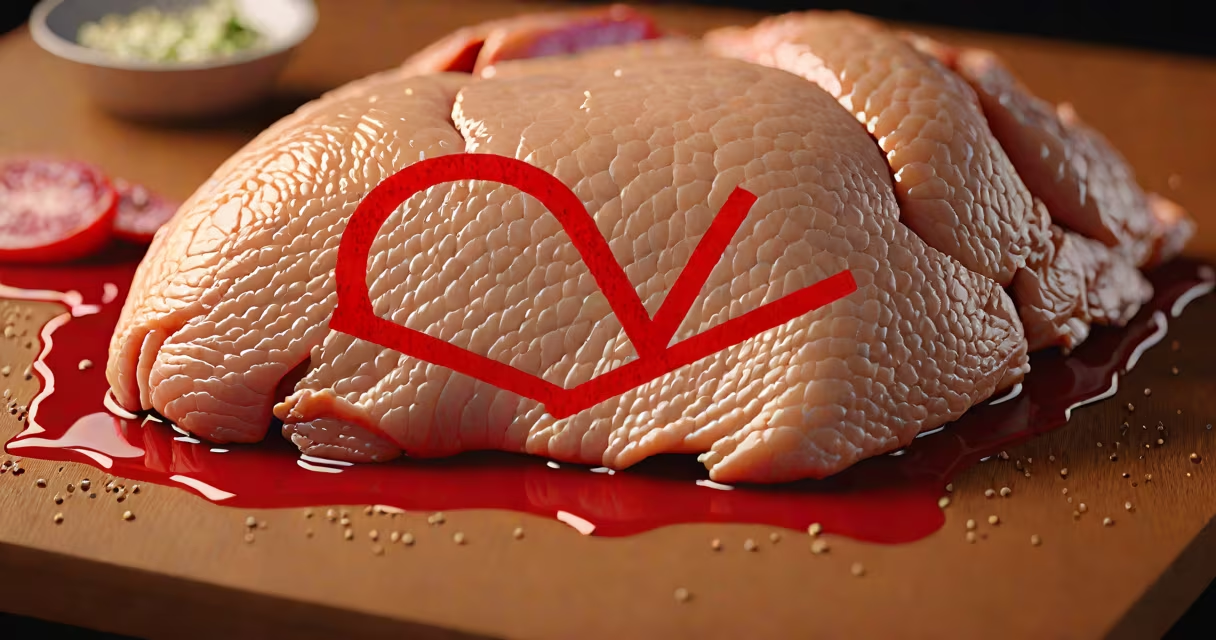
Food borne diarrhea is a gastrointestinal illness caused by consuming food or water contaminated with harmful pathogens such as Salmonella, E. coli, norovirus, or Campylobacter. It typically develops within hours to days after ingestion and presents with watery stools, abdominal cramps, nausea, and sometimes fever.
The condition arises when microorganisms enter the digestive tract through improperly handled or undercooked food, especially meat, eggs, dairy, or raw produce. Contamination often occurs during harvesting, processing, storage, or preparation. Common sources include undercooked poultry, unpasteurized milk, raw shellfish, and unwashed fruits and vegetables.
According to the CDC, approximately 48 million Americans experience foodborne illness annually, with about 128,000 hospitalizations and 3,000 deaths. Among these cases, diarrhea is the most frequent symptom, affecting over 90% of individuals with confirmed food poisoning.
When pathogens enter the stomach, they survive acidic conditions and travel to the small intestine. There, they either invade intestinal cells or release toxins that disrupt fluid absorption. This leads to excessive water secretion into the bowel lumen, resulting in loose or watery stools.
For example, Shiga toxin-producing E. coli (STEC) strains like O157:H7 bind to receptors on intestinal epithelial cells. They inject toxins that damage the lining, causing inflammation and bleeding. This explains why some cases result in bloody diarrhea-a sign of STEC infections.
Other pathogens, such as norovirus, replicate rapidly in the gut lining, triggering immune responses that increase gut motility. This speeds up transit time, reducing nutrient and water absorption-leading to explosive, frequent diarrhea.
Several classes of organisms cause food borne diarrhea. The most common are bacteria, viruses, and parasites. Each has distinct incubation periods, symptoms, and transmission routes.
| Pathogen | Common Sources | Incubation Period | Typical Symptoms |
|---|---|---|---|
| Salmonella | Undercooked poultry, eggs, raw sprouts | 6-72 hours | Diarrhea, fever, cramps |
| E. coli O157:H7 | Ground beef, unpasteurized juice | 3-4 days | Bloody diarrhea, severe cramps |
| Norovirus | Contaminated shellfish, salad bars | 12-48 hours | Watery diarrhea, vomiting, nausea |
| Campylobacter | Raw or undercooked chicken, untreated water | 2-5 days | Diarrhea, fever, abdominal pain |
| Cryptosporidium | Contaminated water, raw produce | 2-10 days | Prolonged watery diarrhea, dehydration |
One lesser-known fact: norovirus accounts for nearly 20 million cases of acute gastroenteritis each year in the U.S., making it the leading cause of food borne illness in adults. It spreads easily via person-to-person contact and contaminated surfaces, not just food.
Another distinction often missed: while many assume food borne diarrhea is always infectious, some cases stem from chemical contamination-such as histamine in spoiled tuna (scombroid poisoning)-which mimics bacterial illness but lacks fever and responds poorly to antibiotics.
Many people believe that all food borne diarrhea resolves in 24 hours. In reality, recovery varies widely. Most viral cases last 1-3 days, but parasitic infections like Giardia can persist for weeks without treatment.
Another misconception is that diarrhea must be stopped quickly. Aggressive use of anti-diarrheal medications like loperamide can prolong pathogen shedding and increase the risk of complications such as hemolytic uremic syndrome (HUS) in E. coli cases.
A personal observation: during a food safety audit at a regional restaurant chain, I documented a single batch of improperly stored lettuce that led to 14 confirmed cases of E. coli O157:H7. All patients reported onset between 36 and 72 hours after eating a salad. The outbreak was traced to a refrigerated bin left open overnight, allowing temperature abuse and bacterial growth.
Preventing food borne diarrhea begins with proper handling. Wash hands with soap and water for at least 20 seconds before and after food prep. Separate raw meats from produce. Cook foods to safe internal temperatures-165°F for poultry, 145°F for whole cuts of beef.
For recovery, focus on hydration and gentle nutrition. Oral rehydration solutions containing sodium, potassium, and glucose restore electrolyte balance faster than plain water. Avoid dairy, caffeine, and high-fat foods until symptoms subside.
If diarrhea persists beyond 48 hours, includes blood, or is accompanied by high fever (>102°F), seek medical evaluation. Stool testing may identify the pathogen and guide targeted treatment.
Food borne diarrhea is preventable through hygiene, safe cooking practices, and informed food choices. Understanding the specific agents behind it enables better response and reduces unnecessary suffering.