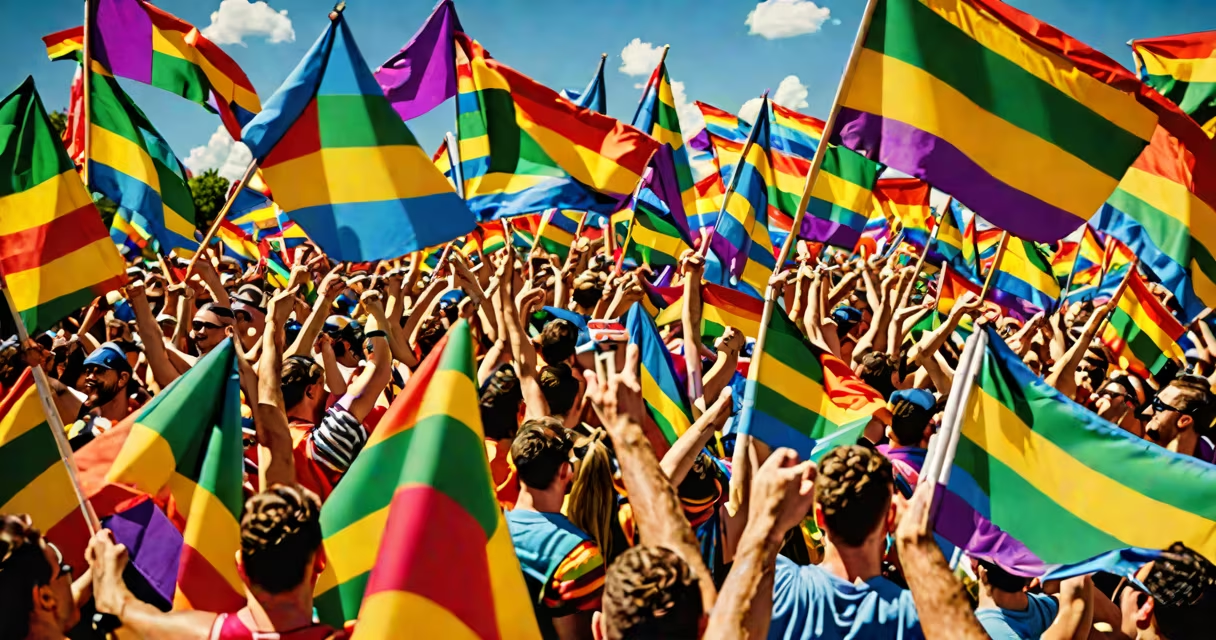
Pride weekend refers to the annual celebration of LGBTQ+ identity, rights, and culture, typically held in June in the U.S. and Canada. It marks the anniversary of the 1969 Stonewall Uprising and features parades, festivals, performances, and community gatherings. The term "Pride weekend" specifically identifies the weekend when major events occur, often centered around a city's pride parade.
These events are organized by local LGBTQ+ groups, nonprofits, and city agencies. They serve both as public affirmations of queer identity and as platforms for advocacy, education, and visibility. While the core purpose remains consistent, each city tailors its programming based on local demographics, history, and resources.
For example, New York City's Pride March draws over 2 million attendees annually, making it one of the largest such events globally. In Toronto, Pride Week spans ten days and includes over 100 events, from drag shows to youth forums. The timing varies slightly by location, but most major U.S. and Canadian cities host their peak festivities between June 21 and June 30.
Pride weekend begins with planning months in advance. Organizers secure permits, coordinate police and medical services, book performers, and manage vendor applications. Public funding, private sponsorships, and ticket sales cover costs. The event structure usually follows a predictable flow: community resource booths in the morning, live entertainment in the afternoon, and a formal parade or march in the late afternoon or evening.
Participants include LGBTQ+ individuals, allies, families, and businesses. Many wear rainbow-themed clothing or accessories to show solidarity. Attendees engage in activities ranging from art installations to panel discussions on transgender rights, mental health, and anti-discrimination laws. Some cities offer free shuttle services and designated safe spaces for vulnerable attendees.
Organizations like the Human Rights Campaign (HRC) and GLAAD provide guidelines for inclusive event design. HRC notes that effective pride events prioritize accessibility, safety, and representation-especially for Black, Indigenous, and transgender communities who face disproportionate harm. A 2023 HRC report found that 68% of surveyed pride organizers had implemented trauma-informed staff training.
Pride weekends vary in scale and focus. Here are common formats:
| Type | Focus | Typical Duration | Example |
|---|---|---|---|
| Parade-First | Processional display with floats, marching bands, and LGBTQ+ organizations | Afternoon to evening | Los Angeles Pride Parade (June 29) |
| Festival-Centric | Music stages, food vendors, art exhibits, and workshops | Full weekend | Chicago Pride Fest (June 28-30) |
| Community-Driven | Local meetups, support groups, youth programs | Week-long series | Seattle's Pride Week (June 21-29) |
| Hybrid | Combines parade, festival, and educational sessions | Multiple days | Dallas Pride (June 21-23) |
Not all pride events are large-scale. Smaller towns may hold a single block party or a candlelight vigil. Rural areas sometimes partner with nearby cities to share resources. For instance, in rural Oregon, the town of Sisters hosts a joint event with Bend, pooling volunteers and funds to sustain the celebration.
Pride weekend occurs in June because it aligns with the anniversary of the Stonewall Uprising on June 28, 1969. That night, patrons at the Stonewall Inn in New York City resisted a police raid, sparking days of protests and marking a turning point in LGBTQ+ civil rights. The first Pride march was held one year later, on June 28, 1970.
Today, cities choose June for historical continuity and weather reliability. Summer temperatures in the Northern Hemisphere make outdoor events feasible. According to the National Gay and Lesbian Task Force, 87% of U.S. pride events are scheduled between June 15 and July 5.
Some cities extend the celebration beyond one weekend. San Francisco's Pride festivities last 17 days, including the official parade on the second Sunday of June. Others, like Portland, have shifted to a month-long observance called "Pride Month," with events throughout June and early July.
People often assume Pride weekend is solely a party. It is not. While joy and celebration are central, the event also serves as a political statement. Protest signs, speeches by activists, and calls for policy change are standard. In 2022, over 100 pride events included direct advocacy for anti-trans legislation protections.
Another misconception is that Pride is only for gay men. It is not. The acronym LGBTQ+ includes lesbian, bisexual, transgender, queer, intersex, and asexual people. Inclusion efforts have grown since the 1990s. A 2021 study by the Williams Institute found that 42% of pride events now feature dedicated programming for transgender and non-binary participants.
A lesser-known fact: many pride events are not officially sanctioned by local governments. Independent collectives organize grassroots pride marches in places where municipal support is absent or hostile. In 2023, a pride group in Tulsa, Oklahoma, held a silent march after city officials refused to issue a permit. The event drew over 1,000 attendees and received national media coverage.
To determine if it's Pride weekend in Austin, Texas, check the official calendar. In 2024, Austin Pride events spanned June 21-23. The main parade began at 5:00 PM on Saturday, June 22, starting at Congress Avenue and ending at Lady Bird Lake. Over 200 float entries participated, including local schools, LGBTQ+ nonprofits, and corporate sponsors.
Before the parade, a community fair ran from 11:00 AM to 4:00 PM at Zilker Park. Attendees accessed free HIV testing, mental health counseling, and legal aid. A headline performance by pop singer Janelle Monáe closed the evening. Attendance reached approximately 150,000 people, according to city estimates.
If you're asking "Is this Pride weekend?" in Austin, the answer is yes if your date falls between June 21 and June 23. Outside that window, the main events have ended. However, smaller gatherings continue through the month at bars, theaters, and community centers.
Check official sources. Visit the website of your city's pride organization or search "[City Name] Pride 2024" on Google. Most cities publish event calendars, maps, and transportation details online. For example, Seattle's Pride site lists 120 events across 15 neighborhoods.
Use tools like the Pride Events Calendar by Out & Equal. This database tracks over 1,200 pride-related events worldwide. It includes filters for location, date, and accessibility features such as sign language interpretation and wheelchair access.
If you're in a region without a formal pride event, consider joining a virtual gathering. Organizations like the Trevor Project host online panels and social hours during Pride Month. These allow participation regardless of geography or mobility.
When in doubt, ask locally. Community centers, LGBTQ+ youth groups, and queer bookstores often announce upcoming events. I once attended a Pride preview at a small bookstore in Asheville, North Carolina. The owner handed out flyers for a backyard picnic hosted by a local trans advocacy group. It was intimate, welcoming, and exactly the kind of grassroots energy that defines Pride.