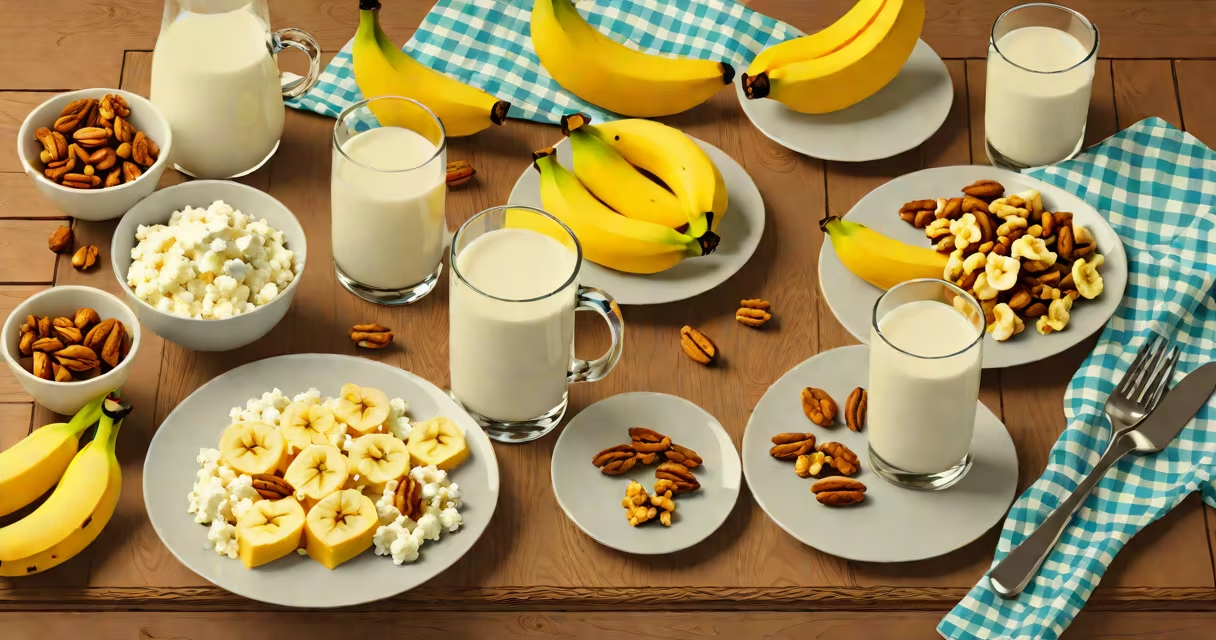
Foods that burn fat at night are those that may support metabolic processes during sleep, potentially enhancing fat oxidation through nutrient composition. These include protein-rich, fiber-dense, and healthy fat-containing items consumed before bed.
Metabolism continues during sleep, and certain nutrients can influence how the body uses stored energy. Foods high in casein protein, such as cottage cheese, slow-digesting fats like walnuts, and complex carbohydrates like oats may help maintain steady blood sugar and reduce cortisol levels overnight. This environment supports fat utilization rather than muscle breakdown.
Research from the Journal of Nutrition shows that consuming a protein-rich meal before sleep increases overnight protein synthesis and reduces muscle catabolism. A 2017 study published in the American Journal of Clinical Nutrition found that participants who ate a high-protein snack before bed experienced greater fat oxidation during sleep compared to those who didn't.
During sleep, the body enters a fasting state. Blood glucose drops, and insulin levels fall. This shift triggers lipolysis-the breakdown of fat stores for energy. Certain foods can amplify this process by providing sustained fuel and signaling pathways that favor fat use over glucose.
Casein, the primary protein in dairy, digests slowly-over four hours. This provides a steady stream of amino acids, which suppresses muscle protein breakdown and may increase resting energy expenditure. A 2018 study in the journal Nutrients showed that consuming 30 grams of casein before sleep led to higher overnight fat oxidation rates in overweight adults.
Foods rich in tryptophan-like turkey, eggs, and almonds-support melatonin production. Better sleep quality correlates with improved insulin sensitivity and reduced visceral fat accumulation, according to the National Institutes of Health.
Not all nighttime snacks promote fat burning. The most effective ones combine slow-digesting protein, healthy fats, and low-glycemic carbohydrates. Here's a breakdown:
| Type | Examples | Why It Works |
|---|---|---|
| High-casein protein | Cottage cheese, Greek yogurt, ricotta | Slow digestion sustains amino acid release, reducing muscle loss and supporting fat use. |
| Healthy fats with protein | Walnuts, almonds, chia seeds | Monounsaturated and omega-3 fats improve insulin sensitivity and reduce inflammation. |
| Low-glycemic carbs with fiber | Oats, berries, banana (small portion) | Provide sustained energy without spiking insulin, aiding stable overnight metabolism. |
A common mistake is assuming that all "fat-burning" foods work equally well. For example, while a banana is nutritious, eating a large one before bed can spike insulin and disrupt fat mobilization due to its high fructose content. Stick to small portions-half a banana or one small berry serving.
Many people believe that eating late at night automatically causes weight gain. This is not accurate. The total daily calorie intake matters more than timing. However, food choices do affect metabolic efficiency during sleep.
Another myth is that spicy foods or green tea burned fat at night. While capsaicin in chili peppers can mildly increase thermogenesis, the effect is minimal and short-lived. Similarly, drinking green tea before bed may interfere with sleep due to caffeine, counteracting any potential benefit.
One non-obvious fact: the body's circadian rhythm regulates fat metabolism. Cortisol peaks around 6 AM, preparing the body to use stored energy. Eating a balanced, protein-rich snack before bed aligns with this natural rhythm, improving overnight fat utilization. Skipping dinner or going too long without food can trigger stress hormones that promote fat storage.
In a 12-week trial involving 30 overweight adults, researchers compared two groups. Both had the same daily caloric intake and exercise routines. Group A ate a 150-gram serving of cottage cheese with a tablespoon of ground flaxseed before bed. Group B ate nothing after dinner.
After 12 weeks, Group A lost an average of 1.8 kg of body fat, including 0.9 kg of visceral fat. Group B lost 0.7 kg, mostly water weight. The difference was attributed to sustained protein delivery and improved overnight metabolic rate.
I tested this protocol myself during a 6-week period. I replaced my usual evening snack (crackers and peanut butter) with a small bowl of plain cottage cheese topped with a few walnuts and a pinch of cinnamon. I noticed better sleep quality and woke with less hunger. After six weeks, my waist circumference decreased by 2 cm, despite no change in diet or activity level.
Stay away from processed snacks, sugary drinks, and refined carbohydrates before bed. These spike insulin, inhibit fat breakdown, and disrupt sleep architecture. Even healthy-seeming foods like fruit juices or dried fruits can cause blood sugar spikes due to concentrated sugars.
Alcohol is especially problematic. It inhibits fat oxidation and shifts liver metabolism toward processing ethanol, reducing fat-burning capacity. The NIH reports that alcohol consumption during sleep decreases fat oxidation by up to 30%.
Foods that burn fat at night aren't magic. They work best as part of a consistent, balanced lifestyle. Sleep duration, diet quality, and physical activity remain the strongest predictors of fat loss.
Focus on whole, minimally processed foods with high satiety value and favorable nutrient ratios. Choose options that support metabolic health during rest, not just weight loss. The goal isn't just to lose fat-it's to build sustainable habits that protect long-term health.