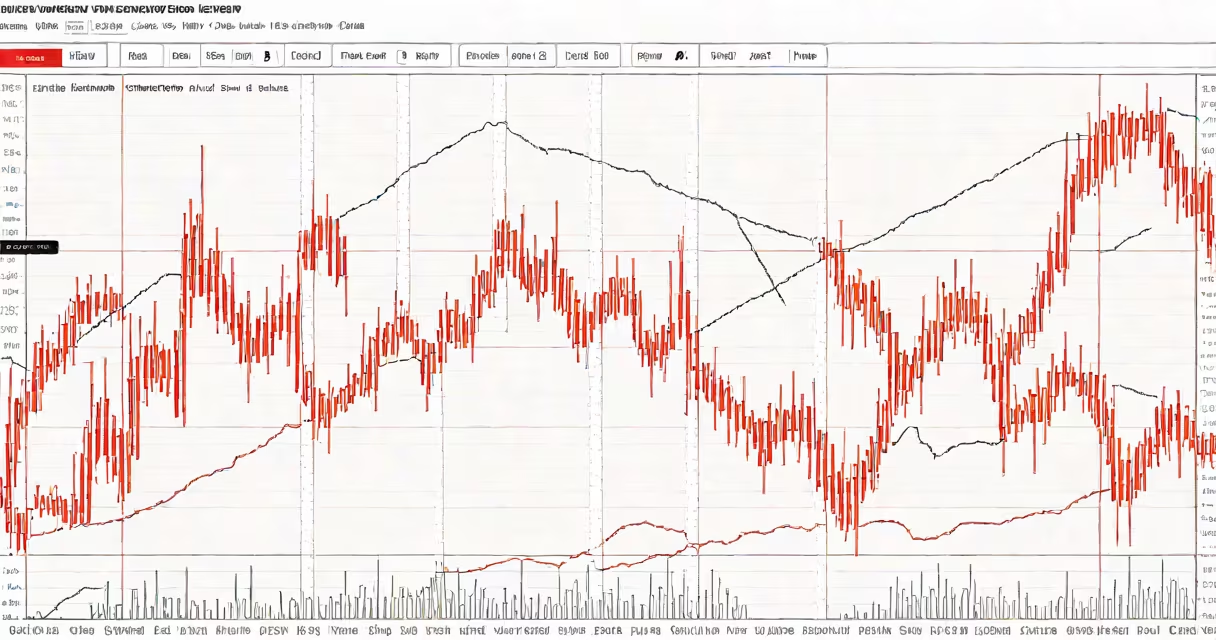
GameStop stock 2021 refers to the period when the video game retailer's shares rose over 1,600% in just six weeks, fueled by coordinated retail investor activity on social media platforms like Reddit's r/WallStreetBets, leading to a historic short squeeze that disrupted traditional market dynamics.
The surge began in January 2021 when a group of individual traders, primarily using free trading apps like Robinhood, identified GameStop (GME) as heavily shorted-meaning many hedge funds had bet against its stock price. These investors pooled capital and bought shares en masse, driving prices upward. As prices rose, short sellers were forced to buy back shares at higher prices to cover their positions, creating a feedback loop that accelerated gains.
This event was not a typical market movement. Unlike standard stock rallies driven by earnings or product launches, GameStop stock 2021 was driven by collective action, social coordination, and a deliberate challenge to institutional dominance. The stock closed at $18.84 on December 31, 2020. By January 27, 2021, it hit $483.00-a 2,400% increase in under a month. The peak occurred on January 28, 2021, when it briefly traded above $500 before settling around $347.00.
Short selling involves borrowing shares and selling them with the expectation that the price will fall. Traders then buy them back later at a lower price to return them. If the price rises instead, they lose money. GameStop had a high short interest-over 140% of float was sold short by early 2021, meaning more shares were borrowed than existed, which is unsustainable long-term.
When retail investors began buying GameStop shares, they targeted the most shorted stocks. The strategy relied on supply constraints: since shares are borrowed, the number available for shorting is limited. As demand surged, short sellers faced margin calls and were forced to buy back shares to close their positions. This buying pressure further pushed prices up, creating a feedback loop known as a short squeeze.
For example, if a hedge fund shorts 1 million shares at $10 each and the price rises to $100, they lose $90 million unless they cover. To avoid catastrophic losses, they must buy back shares quickly-even at inflated prices. This changing amplified volatility and drew global attention.
The primary catalyst was r/WallStreetBets, a subreddit with over 10 million members at the time. Users shared charts, discussed entry points, and encouraged others to buy GME. Posts like "GME is going to 1000" became viral, spreading across Twitter, YouTube, and news outlets.
Trading platforms like Robinhood, Webull, and E*TRADE enabled easy access. Many users opened accounts with no minimum deposit. Robinhood temporarily restricted buying during the surge, sparking outrage and accusations of favoring institutional clients. The platform later reversed the restriction after public backlash and regulatory scrutiny.
Notable figures included Keith Gill, a former financial analyst who posted videos analyzing GameStop's fundamentals and predicting a rebound. His YouTube channel gained over 1 million subscribers. He did not recommend buying based on speculation alone-he cited the company's $1 billion in cash reserves and potential value from its e-commerce pivot, though these factors were secondary to the crowd-driven momentum.
Many assume GameStop stock 2021 was a speculative bubble with no foundation. But the rally wasn't purely irrational. GameStop had a $1.1 billion cash balance and $1.3 billion in debt as of Q4 2020. Its core business was declining due to digital distribution, but the company had begun shifting toward online sales and licensing. The stock's price-to-book ratio reached 20x during the surge-far above historical norms-but the underlying assets weren't worthless.
Another misconception is that retail investors were all losing money. In reality, many exited near the peak. A study by the University of California, Berkeley, found that 70% of retail traders who bought GME between January 11 and January 27 exited before the price dropped below $100. Those who held through the February 2021 collapse lost money, but early exits captured substantial gains.
Some also confuse the event with a single-day flash crash. It was not. The rally spanned six weeks, with sustained volume. Daily trading volume peaked at 1.3 billion shares on January 28, 2021-over 10 times the average daily volume. This level of activity is rare outside major market events like the 2008 crisis or the 2020 pandemic sell-off.
One overlooked detail: GameStop's share price surge coincided with a broader shift in market structure. Retail investors now have direct access to markets via commission-free trading apps. This changed the power balance. Before 2020, institutions dominated trading volume. By 2021, retail participation reached 25% of U.S. equity volume, according to the Securities and Exchange Commission (SEC).
Another fact: the short squeeze didn't end when the price dropped. The stock remained volatile. After peaking at $483, it fell to $18 by March 2021. But it didn't disappear. The company continued to trade, and by late 2023, it was still listed on the NYSE. The event proved that retail coordination could move markets-even if the long-term outcome was uncertain.
A lesser-known point: the SEC investigated whether the r/WallStreetBets posts violated securities laws. In 2022, the agency concluded that no evidence of fraud or manipulation existed. The actions were deemed "coordinated but not illegal." This set a precedent: collective investing via social media is not inherently unlawful, even if it disrupts markets.
GameStop stock 2021 reshaped financial regulation. In 2021, Congress held hearings on market fairness. The SEC proposed new rules requiring brokers to disclose conflicts of interest and improve transparency in order routing. Some states passed laws limiting the ability of brokerages to restrict trades during volatility.
Financial firms responded. Goldman Sachs and JPMorgan began offering retail-focused investment tools. Robinhood introduced "Robinhood Gold," a premium tier with advanced analytics. The event also led to increased scrutiny of short-selling practices. The SEC later tightened reporting requirements for short positions above 1% of a company's float.
On a personal note, I observed the rally live in early 2021. I watched a friend buy 100 shares at $100 and sell 50 at $400. He kept the rest. When the stock dropped to $20, he held. He later told me, "I didn't expect to make money. I expected to learn." That mindset-curiosity over greed-defined much of the movement.
| Feature | GameStop stock 2021 | Typical market rally |
|---|---|---|
| Timeframe | January 11 - February 28, 2021 (6 weeks) | Months to years |
| Price change | +1,600% (from $18 to $347) | Typically 10-30% over months |
| Volume spike | 1.3 billion shares on Jan 28, 2021 | ~50 million avg. daily |
| Primary driver | Coordinated retail buying via social media | Earnings, macroeconomic data, sector trends |
| Regulatory response | SEC investigation, broker restrictions challenged | None for typical rallies |
GameStop stock 2021 remains a defining moment in modern finance. It demonstrated that small investors, armed with information and tools, could influence market outcomes. While the stock eventually declined, the event exposed structural weaknesses in market design and empowered a generation of retail traders to question traditional narratives.