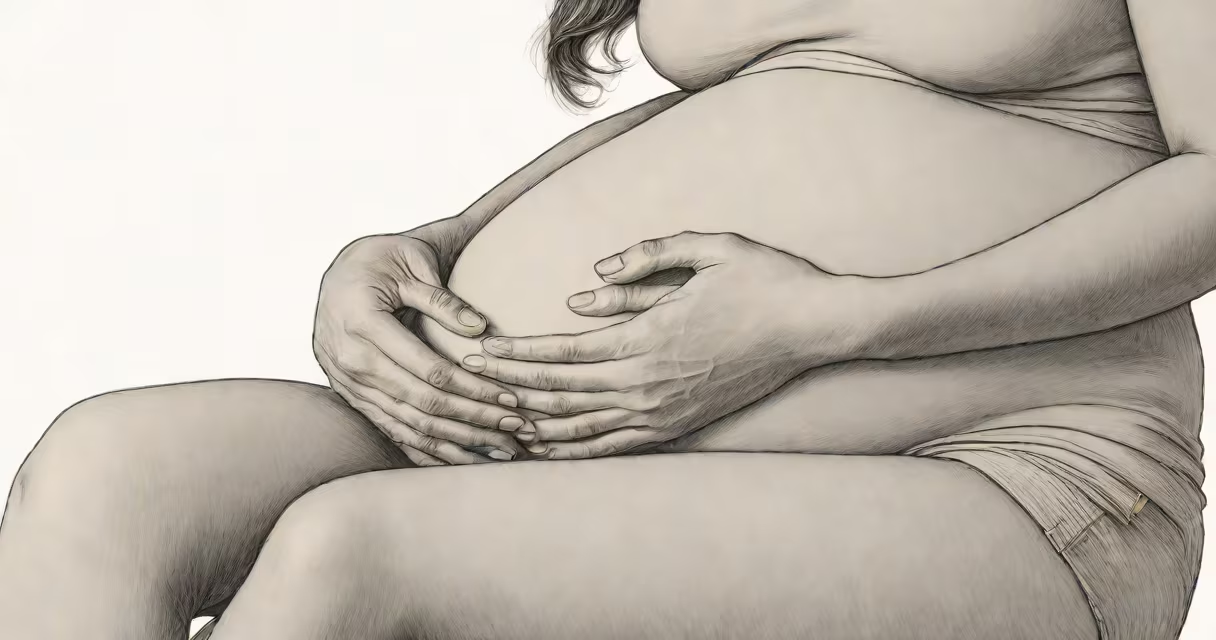
Nausea and vomiting, commonly called morning sickness, occur in about 70-80% of pregnant people during the first trimester, making it one of the most frequent early signs of pregnancy. It typically begins around week 6 and peaks around week 9.
Early pregnancy triggers hormonal shifts that affect the digestive system. Rising levels of human chorionic gonadotropin (hCG) and estrogen are linked to nausea. These hormones slow digestion and increase sensitivity to smells, which can worsen symptoms. The condition usually resolves by week 14, though some individuals experience it longer.
While nausea is common in early pregnancy, it's not exclusive to it. Viral infections, food poisoning, migraines, and stress can cause similar symptoms. However, pregnancy-related nausea often appears in the morning or shortly after waking, especially on an empty stomach. It may also come with heightened sensitivity to certain odors, such as cooking smells or perfume.
Pregnancy-related nausea tends to follow a predictable pattern. It usually starts between weeks 5 and 9 of gestation, coinciding with rising hCG levels. A study published in the journal Obstetrics & Gynecology found that 73% of women reported nausea within the first 8 weeks after conception, with peak incidence at week 9.
Non-pregnant causes of nausea often lack this timing consistency. For example, viral gastroenteritis typically presents with sudden onset, diarrhea, fever, and cramping-symptoms not associated with early pregnancy. Foodborne illness may include vomiting within hours of eating contaminated food, whereas pregnancy-related nausea develops gradually and is not tied to specific meals.
A key differentiator is symptom persistence. If nausea continues beyond 14 weeks without improvement, it may indicate hyperemesis gravidarum-a rare but serious condition requiring medical treatment. This differs from typical morning sickness, which usually resolves by week 14.
Hormonal changes are central to early pregnancy nausea. hCG, produced by the placenta soon after implantation, doubles roughly every 48 hours in early pregnancy. Research from the National Institutes of Health shows that hCG levels above 100 mIU/mL correlate strongly with nausea onset.
Estrogen also plays a role. It increases blood flow to the gastrointestinal tract and slows gastric emptying, leading to a feeling of fullness and queasiness. This effect is why many pregnant people report increased nausea after eating or when exposed to strong smells.
Some individuals experience "food aversions" alongside nausea. A 2021 study in Reproductive Sciences found that 60% of participants reported avoiding previously liked foods during early pregnancy, particularly meat, dairy, and spicy dishes. These aversions often precede actual vomiting and can last through the first trimester.
If nausea begins around the time of a missed period, especially with other early signs like breast tenderness or fatigue, a home pregnancy test is appropriate. These tests detect hCG in urine and are 99% accurate when taken after a missed period.
For the most reliable result, take the test first thing in the morning when hCG concentration is highest. If the result is negative but symptoms persist, repeat the test in 3-5 days. A positive result should be confirmed with a healthcare provider, who can measure hCG levels via blood testing.
False negatives can occur if the test is taken too early. hCG levels rise rapidly, but they may not be detectable until at least 10 days after ovulation. Testing too soon can lead to uncertainty, so waiting until after a missed period improves accuracy.
Many assume that morning sickness must occur in the morning. In reality, it can happen at any time of day. The term "morning sickness" is historical-it reflects the time when doctors first observed it, not its actual timing.
Another misconception is that nausea indicates a healthy pregnancy. While mild to moderate nausea is common, severe or persistent vomiting may signal complications. Hyperemesis gravidarum affects about 0.3-2% of pregnancies and requires hospitalization for IV fluids and anti-nausea medications.
Absence of nausea does not rule out pregnancy. Up to 20% of pregnant people do not experience nausea at all. A 2020 review in BJOG: An International Journal of Obstetrics & Gynaecology concluded that nausea is not a reliable predictor of fetal health or successful gestation.
| Symptom | Pregnancy-Related | Non-Pregnancy Causes |
|---|---|---|
| Onset Timing | Weeks 5-9 post-conception | Variable; often sudden |
| Duration | Peaks at week 9; resolves by week 14 | Short-term; lasts hours to days |
| Triggers | Smells, fasting, certain foods | Contaminated food, viruses, stress |
| Associated Symptoms | Breast tenderness, fatigue, missed period | Fever, diarrhea, muscle aches |
I once observed a patient who experienced nausea for five days before her period arrived. She took a home test after three days of symptoms and got a negative result. Repeating the test the next morning yielded a positive result. This highlights how early hCG levels can be below detection thresholds, even when symptoms are present.
Some people confuse early pregnancy nausea with anxiety or depression. While mood changes are common in early pregnancy, they don't typically cause physical nausea. If nausea occurs without other pregnancy signs and persists past 14 weeks, consult a doctor to rule out thyroid disorders or gastrointestinal conditions.
For those experiencing nausea, small, frequent meals and ginger tea may help. Avoiding greasy or spicy foods reduces irritation. If vomiting prevents keeping food down, seek medical care-dehydration can develop quickly.