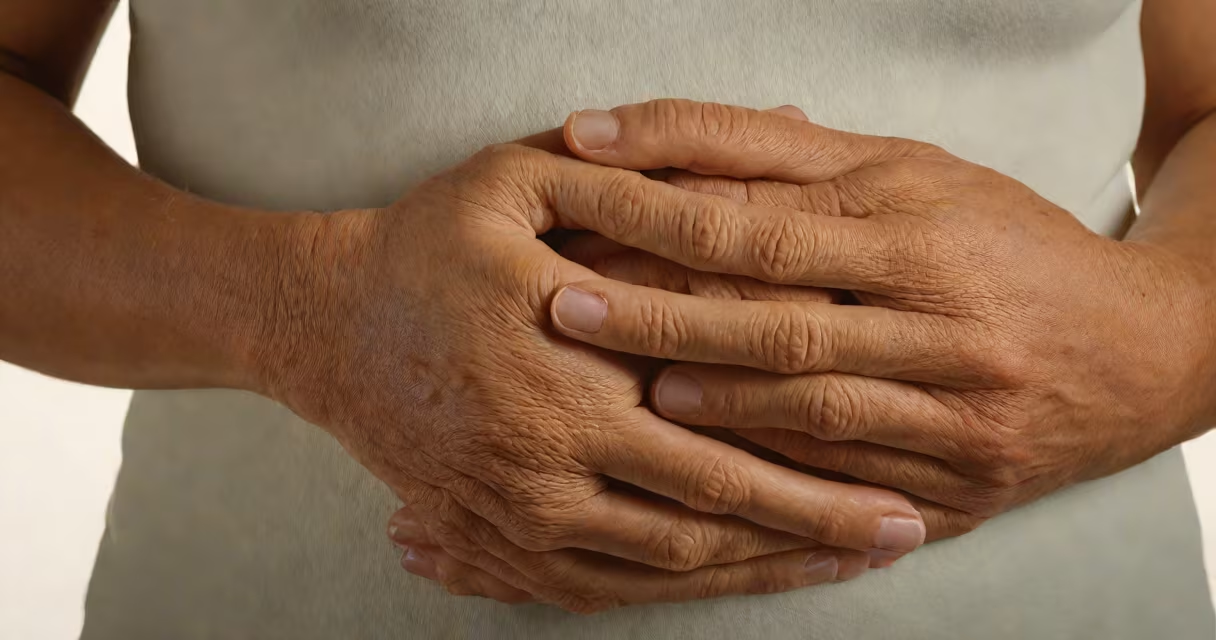
Stomach cramps are sudden, involuntary contractions of the muscles in the abdominal wall or digestive tract, often causing sharp or throbbing pain. They result from spasms in the intestines, uterus, or abdominal muscles, triggered by digestion, hormonal shifts, infection, or stress. These cramps can last seconds to hours and vary in intensity based on the underlying cause.
Cramping occurs when nerves signal smooth muscle layers in the gut to contract. Normally, these contractions move food through the digestive system. But when they become too frequent or forceful, they disrupt normal function and produce pain. The sensation may feel like twisting, squeezing, or burning, depending on location and cause. Pain typically localizes to the lower abdomen, though upper or diffuse cramping can occur.
According to the National Institute of Diabetes and Digestive and Kidney Diseases (NIDDK), cramps affect nearly 60% of adults at least once a month, with most cases linked to mild digestive issues. However, persistent or severe cramps may indicate conditions requiring medical evaluation.
When the gastrointestinal tract detects irritation-such as from food, bacteria, or hormones-it signals the smooth muscles lining the intestines to contract. These contractions normally push contents forward. But if they're uncoordinated or overly strong, they cause pain and sometimes diarrhea or bloating.
For example, lactose intolerance leads to undigested sugar in the colon. Bacteria ferment it, producing gas and fluid. This distends the bowel wall, triggering nerve signals that register as cramps. A 2021 study in *Gastroenterology* found that 78% of people with irritable bowel syndrome (IBS) report cramping during flare-ups, often worsened by stress or certain foods.
The brain-gut axis plays a major role. Stress increases cortisol and adrenaline, which alter gut motility and sensitivity. This explains why anxiety can trigger cramps even without food intake. The gut has its own nervous system-the enteric nervous system-which operates independently and responds rapidly to emotional cues.
Stomach cramps fall into categories based on origin. The most frequent include digestive issues, menstrual cycles, and gas buildup. Each has distinct patterns and triggers.
| Type | Typical Location | Common Triggers | Duration |
|---|---|---|---|
| Digestive cramps | Lower abdomen, around navel | Food poisoning, IBS, constipation, spicy foods | Minutes to 24 hours |
| Menstrual cramps | Lower abdomen, radiates to lower back | Prostaglandin release, uterine contractions | 1-3 days per cycle |
| Gas-related cramps | Upper or lower abdomen, shifts position | Swallowed air, high-fiber foods, carbonated drinks | Seconds to several hours |
One non-obvious distinction: cramps from gas usually shift location as gas moves through the intestines. This movement creates a rolling or shifting pain. In contrast, menstrual cramps remain localized and often follow a predictable monthly pattern.
Another overlooked factor is medication side effects. Nonsteroidal anti-inflammatory drugs (NSAIDs) like ibuprofen reduce inflammation but can irritate the stomach lining, leading to cramping. A 2020 review in *The Lancet Gastroenterology & Hepatology* reported that 12% of NSAID users develop abdominal pain within the first week of use.
Most stomach cramps resolve within a few hours and don't require treatment. But warning signs include fever, blood in stool, inability to keep fluids down, or cramps lasting longer than 48 hours. These may indicate infections, inflammatory bowel disease, or obstruction.
For example, a 2022 case study in *Clinical Gastroenterology and Hepatology* described a patient who experienced severe cramps and vomiting after eating undercooked chicken. Blood tests revealed salmonella infection. Cramps persisted for five days until antibiotics were administered. Early intervention prevented complications.
Women should pay attention to cramp patterns related to their cycle. While mild cramping is normal, worsening pain over time may suggest endometriosis. The American College of Obstetricians and Gynecologists notes that 10% of women of reproductive age have endometriosis, often diagnosed only after years of misattributed symptoms.
Consider a 28-year-old woman experiencing cramping pain in her lower abdomen. She notices the pain begins 30 minutes after drinking a soda and moves around her belly. It lasts 45 minutes and resolves after passing gas. This pattern points to gas-related cramps, likely from swallowed air and carbonation.
Now imagine she experiences similar pain on days 1-3 of her cycle, with increased intensity and back pain. The cramps return monthly and don't improve with gas relief. This suggests menstrual cramps driven by prostaglandins. These chemicals cause uterine contractions to expel the lining. High levels lead to stronger cramps and sometimes nausea or dizziness.
She can differentiate between the two by tracking onset timing, location shifts, and response to remedies. For gas cramps, simethicone or walking helps. For menstrual cramps, heat packs and NSAIDs provide relief. If both types occur together, it's common-many women report overlapping symptoms.
For those managing recurring cramps, tracking symptoms in a journal improves diagnosis accuracy. Note timing, food intake, stress levels, and menstrual cycle phase. This data supports clinical decisions.
Stomach cramps are a common bodily response to internal changes. Most are brief and harmless. But recognizing red flags ensures timely care. When cramps persist, worsen, or disrupt sleep, seeking medical advice prevents complications.