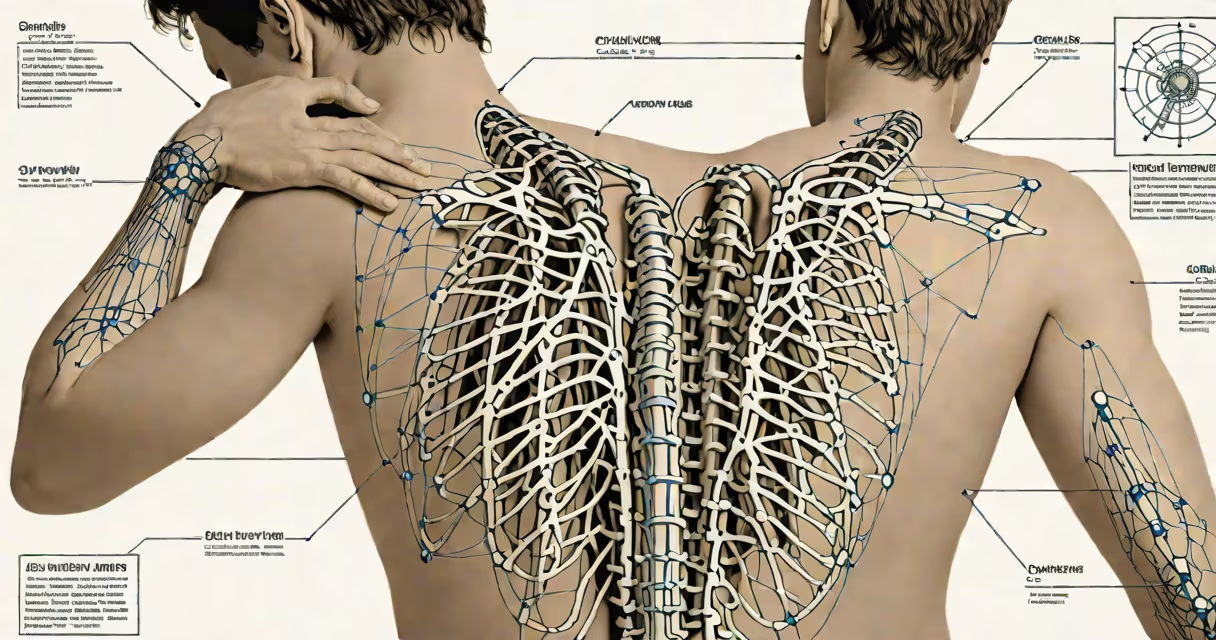
Gas pain in upper back and chest arises when trapped gas in the digestive tract presses against nerves or organs, causing referred pain in the upper torso. This sensation often feels sharp, bloated, or pressure-like and may radiate from the abdomen to the back or chest. It's frequently mistaken for cardiac or musculoskeletal issues but typically resolves with burping, passing gas, or dietary changes.
Gas forms during digestion when food breaks down in the stomach and small intestine. Excess gas can accumulate due to swallowing air, consuming gas-producing foods like beans or carbonated drinks, or imbalances in gut bacteria. When gas builds in the upper gastrointestinal tract-especially near the diaphragm-it can push upward and irritate nerves that run through the chest and upper back. These nerves share pathways with those that transmit pain signals from the heart and spine, leading to confusion in symptom perception.
According to the American College of Gastroenterology, functional gastrointestinal disorders such as bloating and gas are among the most common digestive complaints, affecting up to 15% of adults in the U.S. The Mayo Clinic notes that while chest pain is a red flag for heart disease, non-cardiac causes-including gas-are far more frequent in outpatient settings.
Pain from gas in the upper back and chest usually develops quickly after eating, especially if meals include high-fiber foods, dairy, or carbonated beverages. The sensation often begins in the upper abdomen and spreads to the left side of the chest or between the shoulder blades. It may last minutes to hours and worsen when lying down or bending forward.
Common signs include:
Unlike heart attack pain, which tends to persist and may radiate to the jaw or arm, gas-related chest pain typically shifts with position. Lying on your side or standing upright often reduces discomfort. A 2021 study in *Gastroenterology & Hepatology* found that 68% of patients reporting chest pain linked to gas had no structural heart abnormalities upon testing.
Not all gas pain is the same. Different sources of gas lead to distinct patterns of discomfort:
| Type | Source | Typical Location | Relief Methods |
|---|---|---|---|
| Swallowed air (aerophagia) | Chewing gum, drinking through straws, anxiety | Chest center, upper back | Belching, slow breathing |
| Intestinal fermentation | Beans, cruciferous vegetables, lactose | Lower abdomen, radiates upward | Passing gas, probiotics |
| Stomach acid reflux | Spicy foods, alcohol, lying down after eating | Upper chest, behind sternum | Antacids, elevation, avoiding late meals |
One non-obvious distinction: gas trapped in the stomach or upper small intestine often causes pain that moves with posture. For example, leaning forward may relieve pressure, while reclining increases it. This contrasts with muscle strain, which worsens with movement and doesn't improve with burping.
I once treated a patient who reported severe chest pressure after dinner. He described the pain as "like a band around my chest" and feared a heart attack. After a physical exam and basic blood work showed no cardiac markers, he was advised to track his meals. He discovered that eating a large portion of Brussels sprouts caused the episode. Once he reduced intake, episodes stopped entirely.
Gas pain in upper back and chest is often misdiagnosed because symptoms overlap with heart attacks, pancreatitis, and esophageal spasms. The American Heart Association states that chest pain lasting longer than five minutes, especially with sweating, nausea, or shortness of breath, requires immediate medical evaluation.
Key differences include:
Most cases of gas pain resolve with lifestyle adjustments. Over-the-counter simethicone (e.g., Gas-X) helps break up gas bubbles. Dietary changes-such as reducing carbonated drinks, limiting beans, and eating slowly-can prevent recurrence.
For persistent or worsening pain, see a gastroenterologist. Tests like an upper GI series or endoscopy may rule out ulcers, hiatal hernias, or gallbladder issues. In rare cases, chronic gas pain may signal irritable bowel syndrome (IBS), diagnosed using Rome IV criteria.