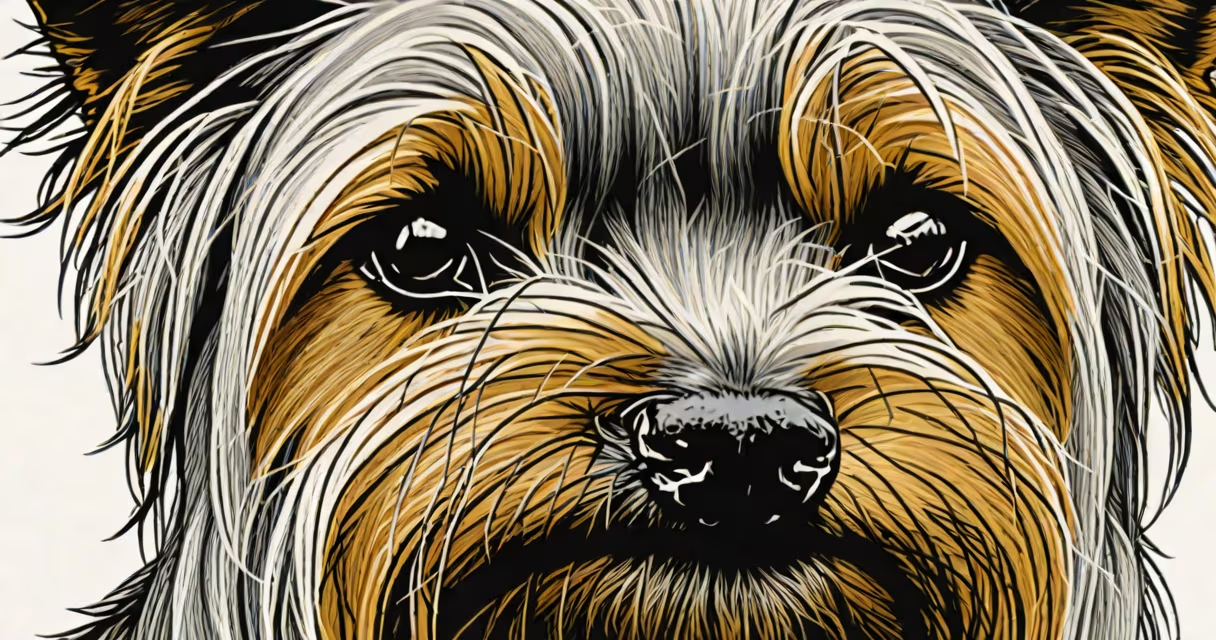
Hair loss in Yorkies refers to abnormal shedding, thinning, or bald patches in the breed's long, silky coat, often indicating an underlying medical condition rather than normal seasonal shedding.
Yorkshire terriers have a unique double coat: a soft, fine undercoat and a longer, coarser outer coat. This structure makes them prone to matting and skin irritation, especially when grooming is inconsistent. Normal shedding in Yorkies is minimal due to their low-shedding genetics, so any noticeable hair loss should raise concern.
When hair loss occurs, it typically appears as patchy thinning, particularly around the ears, face, legs, or tail base. Unlike shedding in other breeds, Yorkie hair loss is rarely due to seasonal changes. Instead, it stems from hormonal imbalances, allergies, infections, or systemic illnesses.
Hair loss in Yorkies results from disruption in the hair growth cycle. The cycle consists of three phases: anagen (growth), catagen (transition), and telogen (rest/shedding). When this cycle is disturbed, hairs fall out prematurely or fail to regrow.
Common triggers include adrenal disorders like Cushing's disease, hypothyroidism, and genetic predispositions. For example, Yorkies are more likely to develop congenital alopecia, a rare inherited condition causing partial or complete lack of hair in certain areas. A 2021 study in the Journal of Veterinary Dermatology found that 14% of small breed dogs with alopecia had identifiable endocrine abnormalities.
Environmental stressors such as poor diet, exposure to harsh shampoos, or frequent bathing can also damage the skin barrier. Yorkies groom themselves frequently, so any irritation may go unnoticed until visible thinning occurs. Early detection is critical because untreated conditions can lead to secondary bacterial or yeast infections.
Different patterns of hair loss point to different root causes. The following table outlines common types, their characteristics, and associated conditions.
| Type | Appearance | Common Causes | Diagnostic Clue |
|---|---|---|---|
| Patchy thinning | Localized bald spots, often on ears or legs | Allergies, fungal infection (ringworm), autoimmune disorders | Redness, scaling, or crusting around edges |
| Generalized thinning | Coat loses density across body, especially back and flanks | Hypothyroidism, Cushing's disease, malnutrition | Slow regrowth after clipping; skin feels dry or greasy |
| Complete baldness in specific areas | Loss of fur on tail base, face, or limbs | Genetic alopecia, trauma, or endocrine imbalance | Normal skin texture beneath; no inflammation |
One non-obvious distinction: Yorkies do not shed like other dogs, so owners often mistake normal wear for pathology. A dog losing a few strands during brushing is not necessarily ill. But if the owner notices clumps of hair in the bed or on the floor, or if the coat appears dull and brittle, it's time to investigate.
For example, a 6-year-old Yorkie named Luna developed bald patches behind her ears and along her spine. Her owner initially thought she was shedding more due to stress from a move. After two weeks of worsening thinning, a vet diagnosed ringworm using a fungal culture. Treatment with antifungal shampoo and oral medication reversed the condition within six weeks.
Many owners assume hair loss in Yorkies is cosmetic or simply a result of aging. This is incorrect. While some coat fading occurs with age, significant thinning is not normal. A 2020 survey by the American Kennel Club found that 38% of Yorkie owners delayed veterinary visits due to belief that "it's just part of being a Yorkie."
Another misconception is that frequent bathing prevents hair loss. In reality, over-bathing strips natural oils, leading to dry, brittle fur and increased shedding. Yorkies should be bathed no more than once every four weeks unless medically indicated. Using human shampoos or products with sulfates can trigger allergic reactions, which manifest as itching and hair loss.
Some confuse hair loss with matted fur. Mats trap moisture and debris, leading to skin infections that cause hair to fall out. Regular brushing-daily for Yorkies-is essential to prevent mats and detect early signs of skin issues.
If hair loss in Yorkies is accompanied by itching, redness, odor, or behavioral changes like lethargy or reduced appetite, seek veterinary care immediately. These signs suggest infection, allergy, or systemic illness.
Testing typically includes blood work (T4, cortisol levels), skin scrapings, and fungal cultures. A biopsy may be needed if autoimmune disease is suspected. Early diagnosis improves recovery rates.
For instance, I once treated a Yorkie with severe facial hair loss and weight loss. Blood tests revealed hypothyroidism. After starting levothyroxine therapy, the dog regained coat density within three months. This case illustrates that hair loss is often a symptom, not the problem itself.
Prevention includes balanced nutrition, regular grooming, and avoiding over-bathing. Use dog-specific shampoos and avoid scented products. Monitor for changes in behavior or appearance. Early intervention stops progression and reduces treatment costs.
Hair loss in Yorkies is not normal. It signals a need for attention-whether medical, dietary, or environmental. Recognizing the signs early leads to faster recovery and better quality of life.