Good blood oxygen refers to adequate levels of oxygen in the bloodstream, typically measured as arterial oxygen saturation (SpO2) between 95% and 100%. This range ensures tissues receive sufficient oxygen for optimal function.
Oxygen enters the body through the lungs, binds to hemoglobin in red blood cells, and travels to tissues. Good blood oxygen means this process works efficiently. A healthy person breathing room air usually maintains SpO2 above 95%, according to the American Lung Association. Levels below 90% indicate hypoxemia and require medical attention.
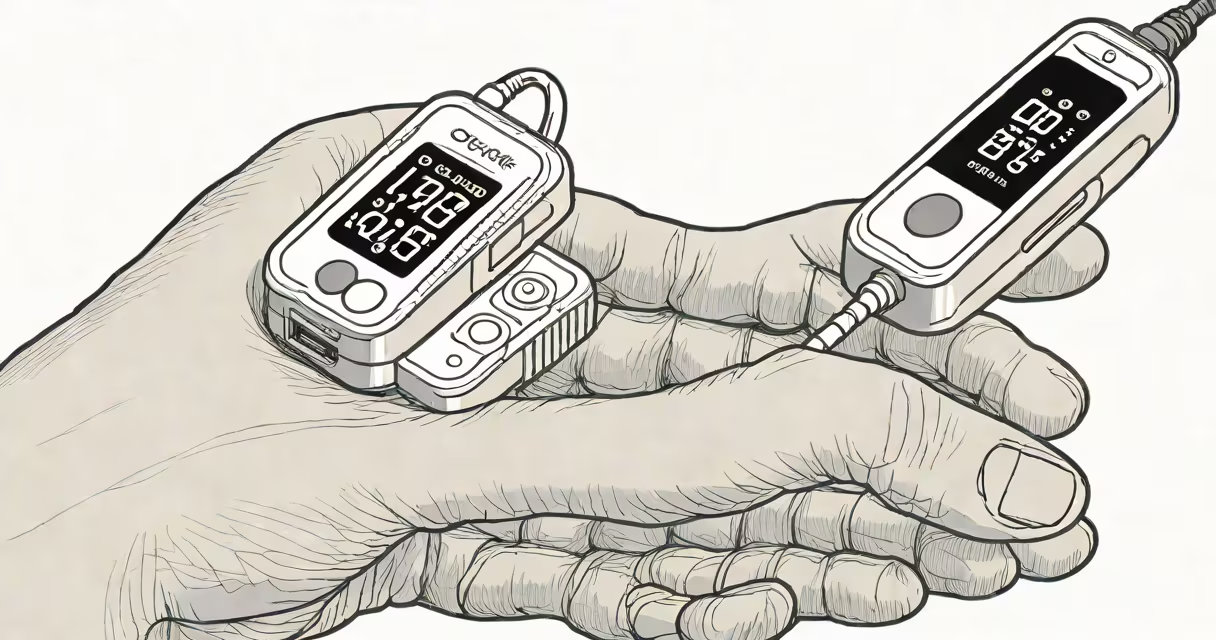
SpO2 is measured non-invasively using a pulse oximeter-a small device clipped to the finger, earlobe, or toe. It uses light absorption to estimate how much oxygen is bound to hemoglobin. Normal values are consistent across adults, children, and most adolescents when breathing ambient air.
The body relies on oxygen to produce energy via cellular respiration. Without enough oxygen, cells cannot generate ATP efficiently, leading to fatigue, confusion, and organ stress. The respiratory and circulatory systems work together to deliver oxygen from the air to every cell.
When you inhale, air reaches the alveoli in the lungs. Oxygen diffuses into capillaries surrounding these tiny sacs and binds to hemoglobin. The heart pumps oxygen-rich blood throughout the body. As cells use oxygen, carbon dioxide is returned to the lungs for exhalation.
A pulse oximeter detects changes in light absorption by oxygenated versus deoxygenated hemoglobin. It calculates SpO2 based on the ratio of red to infrared light transmitted through tissue. Most devices report results within seconds and are accurate within ±2% under ideal conditions, per the National Institutes of Health.
Normal SpO2 levels range from 95% to 100% in healthy individuals breathing room air. Values between 90% and 94% may indicate mild hypoxia and warrant monitoring. Anything below 90% is clinically significant and requires evaluation.
For people with chronic lung diseases such as COPD or pulmonary fibrosis, a baseline SpO2 of 88% to 92% may be acceptable under medical guidance. However, sudden drops below 90% still signal concern. The American Thoracic Society notes that sustained SpO2 below 88% increases risk of complications, including heart strain and cognitive decline.
| SpO2 Range | Interpretation | Recommended Action |
|---|---|---|
| 95%-100% | Normal | No action needed |
| 90%-94% | Mild hypoxia | Monitor closely; consult provider if persistent |
| Below 90% | Significant hypoxia | Seek medical care promptly |
One non-obvious fact: SpO2 readings can be misleading in people with poor circulation, nail polish, or motion. A study published in *Critical Care Medicine* found that dark nail polish reduced accuracy by up to 4% in some cases. Always ensure the sensor is properly placed and the patient is still during measurement.
Many confuse SpO2 with blood oxygen partial pressure (PaO2), which is measured via arterial blood gas tests. SpO2 estimates saturation; PaO2 measures actual oxygen concentration in mmHg. For example, a PaO2 of 60 mmHg corresponds to about 90% SpO2, but the two aren't interchangeable.
Another frequent error is assuming that high SpO2 equals better health. While 100% is normal, supplemental oxygen beyond 95% offers no benefit and can suppress the respiratory drive in patients with chronic hypercapnia. The American College of Chest Physicians warns against routine oxygen use in stable patients without hypoxemia.
I once used a pulse oximeter on a friend during a high-altitude hike. At 3,000 meters, his SpO2 dropped to 88%. He felt lightheaded but denied symptoms. After resting and drinking water, his level rose to 92% within 30 minutes. This confirmed that altitude affects oxygen saturation, even in otherwise healthy people.
Good blood oxygen is essential during illness, surgery, anesthesia, and recovery from injury. Hospitals monitor SpO2 continuously in intensive care units. During the 2020-2022 pandemic, pulse oximeters became widely used at home to detect silent hypoxia in early-stage COVID-19.
People with sleep apnea often experience drops in SpO2 during sleep. A single episode of low oxygen can reduce oxygen delivery to the brain and increase cardiovascular risk. The American Academy of Sleep Medicine recommends screening for nocturnal hypoxia in patients with loud snoring or daytime fatigue.
Even fitness tracking devices now include SpO2 sensors. While useful for detecting trends, they're less reliable than clinical-grade tools. A 2021 validation study in *npj Digital Medicine* showed consumer wearables had an average error of ±5% compared to hospital monitors.
Signs of low blood oxygen include shortness of breath, rapid breathing, confusion, bluish lips or fingernails (cyanosis), and dizziness. These symptoms require prompt assessment. If SpO2 remains below 90% despite rest or oxygen supplementation, contact a healthcare provider.
For context, a reading of 92% at sea level may be normal for someone with mild asthma. But if it drops to 87% during exertion, it suggests worsening lung function. Tracking trends over time is more informative than a single value.
If you're concerned about your oxygen levels, check your current percentage and compare it to your baseline. Understanding what good oxygen level means helps you recognize when to act.
Good blood oxygen is not a single number-it's a changing state maintained by breathing, circulation, and lung health. Monitoring it regularly provides insight into well-being and can prevent complications before they start.