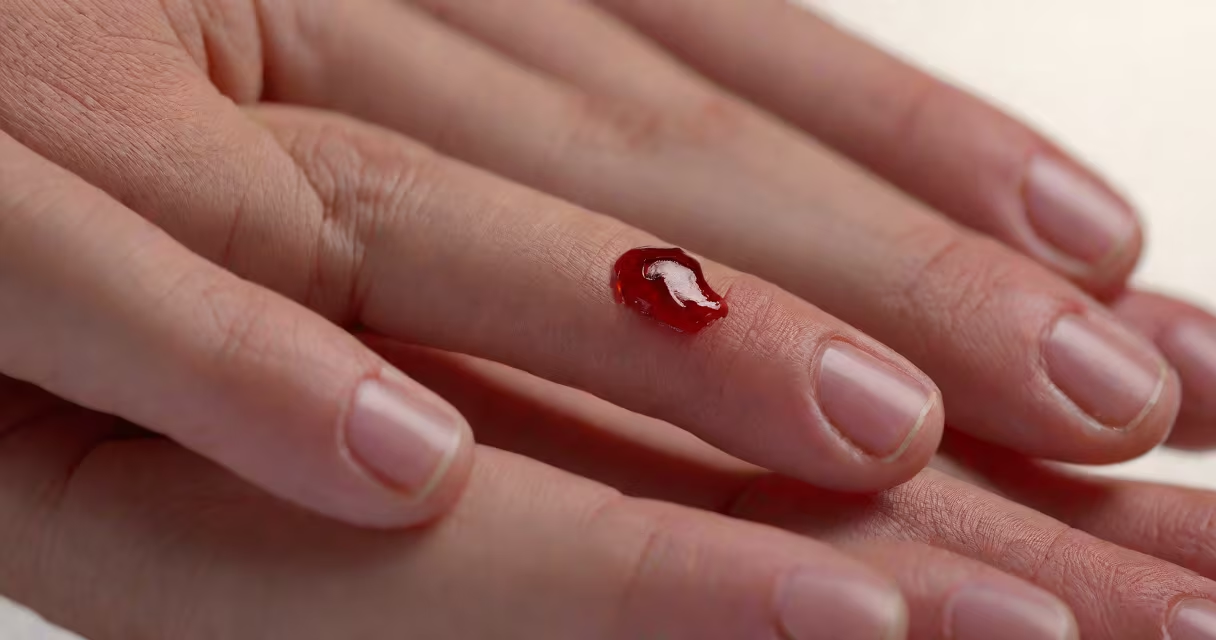
Hemophilia is a rare inherited bleeding disorder caused by a deficiency in specific clotting proteins called clotting factors. People with hemophilia bleed longer than normal because their blood doesn't form clots effectively. The most common forms involve deficiencies in factor VIII (hemophilia A) or factor IX (hemophilia B).
Clotting factors are proteins in the blood that work together to stop bleeding. When one is missing or doesn't function properly, even minor injuries can lead to prolonged bleeding. This condition is typically passed through families via the X chromosome, which is why it affects males more often than females.
The term "hemophilia" comes from Greek roots: *haima* (blood) and *philia* (love or affinity), meaning "blood-loving." It reflects the body's inability to control bleeding, not a preference for blood. This misnomer persists in medical terminology despite being misleading.
Blood clotting happens in stages. When a blood vessel is damaged, platelets gather at the site and release chemicals that activate clotting factors. These factors form a chain reaction, culminating in a stable fibrin clot that stops bleeding.
In hemophilia, this chain is broken early. For example, in hemophilia A, factor VIII is missing or dysfunctional. Without it, the activation of factor X-the next step-is delayed. As a result, the fibrin mesh doesn't form quickly enough, leading to uncontrolled bleeding into joints, muscles, or internal organs.
A 2021 study published in *Blood Advances* found that 60% of people with severe hemophilia A experience joint bleeds before age 10. These bleeds cause pain, swelling, and long-term damage if untreated. Early diagnosis and treatment reduce this risk.
There are three main types of hemophilia, classified by which clotting factor is deficient:
| Type | Deficient Factor | Prevalence | Genetic Cause |
|---|---|---|---|
| Hemophilia A | Factor VIII | 80% of cases | X-linked recessive |
| Hemophilia B | Factor IX | 15-20% | X-linked recessive |
| Hemophilia C | Factor XI | <1% | Autosomal recessive |
Hemophilia A and B are X-linked recessive disorders. Males have one X and one Y chromosome, so a single faulty gene on the X chromosome causes the disease. Females have two X chromosomes and usually remain unaffected unless both carry the mutation. However, female carriers can pass the gene to sons and daughters.
Hemophilia C is autosomal recessive, meaning both parents must pass a mutated copy of the F11 gene. It's rarer and less severe, often presenting only after surgery or trauma. Unlike A and B, it affects both sexes equally.
Contrary to popular belief, hemophilia is not caused by lifestyle choices or infections. It's not contagious. A person cannot "catch" hemophilia. The condition is present from birth, though symptoms may not appear until later in childhood.
Hemophilia is often confused with von Willebrand disease (vWD), another inherited bleeding disorder. Both involve abnormal clotting, but vWD results from low levels or dysfunction of von Willebrand factor-a protein that helps platelets stick to injury sites and stabilizes factor VIII.
While both conditions cause prolonged bleeding, they differ in inheritance patterns and treatment. vWD is more common-about 1 in 1,000 people have it-and can affect both men and women equally. Hemophilia A is much rarer, affecting about 1 in 5,000 male births.
Another misconception is that people with hemophilia cannot live active lives. With proper care, many lead full lives. In the U.S., the National Hemophilia Foundation reports that 90% of children with hemophilia attend school regularly and participate in sports with appropriate precautions.
Consider James, a 12-year-old boy with severe hemophilia A. He plays soccer but wears protective gear. After a fall during practice, he experiences knee pain and swelling. His parents recognize the signs of a joint bleed and administer a dose of recombinant factor VIII concentrate at home.
Within 30 minutes, his pain subsides. He rests for a few hours and resumes school the next day. This scenario illustrates how prophylactic treatment-regular infusions of clotting factor-can prevent bleeding episodes and allow participation in daily activities.
James receives weekly infusions at home under his doctor's guidance. His school nurse keeps emergency supplies on hand. This routine reduces hospital visits and prevents long-term joint damage. According to the Centers for Disease Control and Prevention (CDC), such proactive management improves quality of life and reduces disability rates by 40% compared to those who receive treatment only after bleeding occurs.
Treatment focuses on replacing the missing clotting factor. Options include plasma-derived concentrates and recombinant products made using genetic engineering. Recombinant factor VIII is preferred due to lower infection risk.
For severe cases, patients undergo prophylaxis-regular infusions to maintain factor levels above 1%. This approach reduces annual bleeding episodes from 10-20 to fewer than 2, according to data from the World Federation of Hemophilia.
Emerging therapies include gene therapy. In 2022, the FDA approved eteplirsen (Hemgenix), a one-time infusion that delivers a functional copy of the F8 gene. In clinical trials, 80% of recipients achieved sustained factor VIII levels above 12% after one year, reducing bleeding frequency by 90%.
Despite advances, access remains unequal. In low-income countries, only 10% of people with hemophilia receive regular treatment, per WHO estimates. Barriers include cost, lack of infrastructure, and stigma.
I once observed a hemophilia support group meeting in Atlanta. One father described how his son's first bleed occurred at age 3 after falling off a bike. They rushed to the ER, where doctors confirmed hemophilia A. That moment changed their family's life. Since then, they've learned to manage bleeds at home and advocate for better care. Their story reflects the emotional and practical weight of living with the condition.
Hemophilia is a lifelong condition that disrupts normal blood clotting due to missing or malfunctioning clotting factors. The most common types-A and B-are inherited through the X chromosome and primarily affect males. While there is no cure, effective treatments including factor replacement and gene therapy allow people with hemophilia to live full, active lives.
Understanding what is hemophilia mean begins with recognizing it as a genetic disorder impacting blood coagulation. Early diagnosis, consistent treatment, and education reduce complications and improve outcomes. Awareness saves lives.