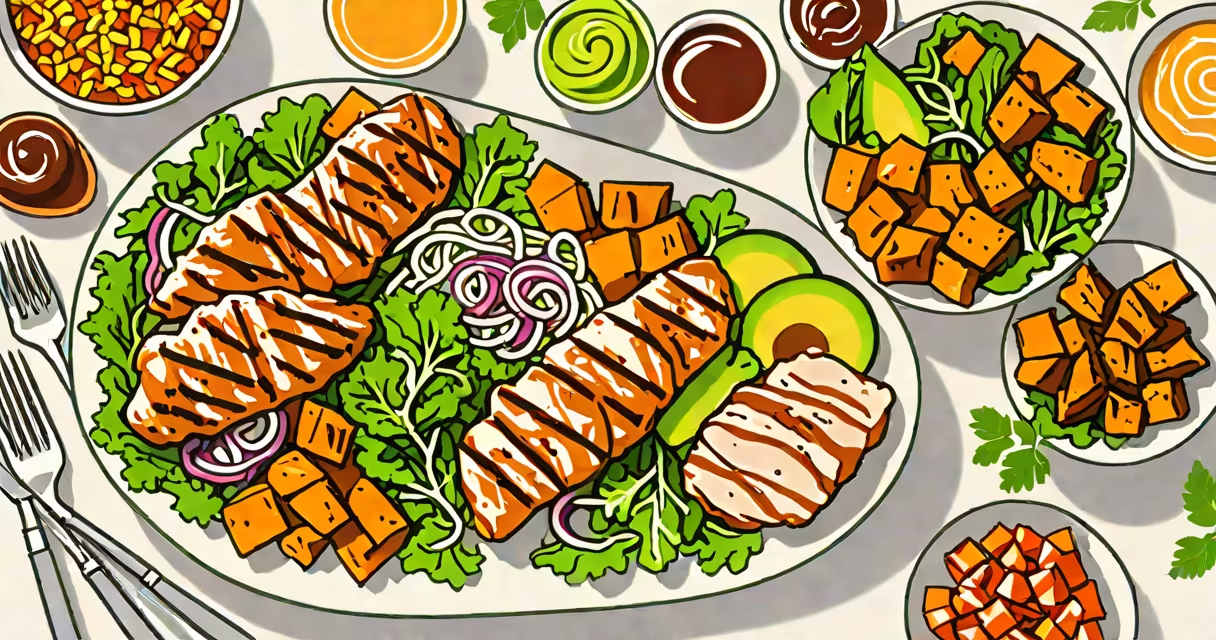
Healthy fast food dinner choices are meals selected from quick-service restaurants that prioritize whole ingredients, limit added sugars and sodium, and stay under 500 calories. These options balance protein, fiber, and healthy fats while avoiding deep-fried items and sugary sauces.
Fast food chains have expanded their menus to include nutritionally balanced dinners. These meals typically feature grilled proteins, vegetables, whole grains, and lower-fat dressings. They're designed to support weight management, blood sugar control, and long-term dietary goals without requiring meal prep.
According to the Centers for Disease Control and Prevention (CDC), choosing meals with at least 20 grams of protein and 5 grams of fiber can improve satiety and reduce overeating. A 2022 study published in *The American Journal of Clinical Nutrition* found that individuals who consistently selected lower-sodium fast food options had a 15% lower risk of developing hypertension over five years.
These meals follow a few core principles: grilled over fried, whole foods over processed, and portion control over excess. Chains like Chipotle, Panera Bread, and Subway offer customizable bowls and wraps that allow users to build meals aligned with dietary needs.
For example, a Chipotle burrito bowl with grilled chicken, brown rice, black beans, lettuce, tomatoes, guacamole, and salsa totals approximately 480 calories, 35 grams of protein, and 12 grams of fiber. It contains less than 600 mg of sodium-well below the FDA's daily recommended limit of 2,300 mg.
Many chains now publish detailed nutritional data online. McDonald's, for instance, lists calorie counts, macronutrient breakdowns, and allergen information for every menu item. This transparency lets consumers compare options side-by-side before ordering.
They center on lean proteins, complex carbohydrates, and vegetables. Grilled chicken, turkey, fish, tofu, and legumes form the base. Whole grains like brown rice, quinoa, or whole wheat tortillas replace refined flour products. Vegetables contribute volume, texture, and micronutrients.
Sauces and dressings are often the hidden sodium and sugar traps. A single tablespoon of ranch dressing can add 140 mg of sodium and 1 gram of sugar. Opting for vinaigrettes, salsa, or plain Greek yogurt-based dressings reduces both calories and sodium by up to 70%.
One non-obvious fact: many "healthier" fast food items still contain high levels of phosphorus due to preservatives. A 2021 analysis by the National Institutes of Health found that 68% of fast food sandwiches labeled "low fat" contained elevated phosphorus levels-linked to kidney stress over time. Always check ingredient lists for additives like disodium phosphate.
The following table compares common fast food dinner options based on calories, sodium, protein, and fiber. All values are for standard serving sizes.
| Meal | Calories | Sodium (mg) | Protein (g) | Fiber (g) |
|---|---|---|---|---|
| Chipotle Grilled Chicken Bowl (no sour cream) | 480 | 580 | 35 | 12 |
| Panera Bread Mediterranean Chicken Wrap | 440 | 620 | 30 | 8 |
| Subway 6-inch Turkey Breast on Whole Wheat | 320 | 590 | 25 | 4 |
| McDonald's Grilled Chicken Sandwich (no mayo) | 350 | 610 | 28 | 3 |
When comparing options, focus on meals with over 20 grams of protein and less than 600 mg of sodium. Meals with fewer than 5 grams of fiber may lack satiating power and increase hunger later.
Busy professionals, parents managing packed schedules, and individuals with chronic conditions like diabetes or heart disease rely on these meals. They provide consistent energy, avoid blood sugar spikes, and fit into structured eating plans.
I once ordered a Chipotle bowl during a late-night work session. I selected grilled chicken, brown rice, black beans, corn, lettuce, and salsa-no cheese or sour cream. The meal kept me focused until 10 PM and prevented the afternoon crash I usually experience after eating a standard fast food burger.
These choices are especially useful for people tracking daily nutrient intake. Apps like MyFitnessPal sync with fast food chain databases, allowing users to log meals instantly and monitor progress toward goals like reducing sodium or increasing protein.
People often assume that "grilled" means "healthy." Not all grilled items are low in sodium or saturated fat. A grilled chicken sandwich with a buttery roll and cheese can exceed 600 calories and 1,000 mg of sodium.
Another misconception: "light" or "baked" versions are automatically healthier. Baked fries at some chains contain 30% more sodium than regular fries due to added seasoning. Always verify the nutrition label.
Low-sodium fast food options exist, but they're not always labeled. For example, the "healthy choice" section at Burger King includes a grilled chicken sandwich with 710 mg of sodium-over 30% of the daily limit. Check the full label, not just the category name.
Start by scanning the menu for grilled, baked, or steamed items. Avoid anything described as "crispy," "golden," or "fried." Choose water, unsweetened tea, or sparkling water instead of soda or flavored drinks.
Customization is key. Ask for dressings on the side, skip cheese and bacon, and request extra vegetables. Many chains allow modifications through mobile apps or in-store staff.
When deciding what to eat, ask: "Does this meal include protein, vegetables, and whole grains?" If yes, it likely qualifies as a healthy fast food dinner choice. If not, consider swapping out one component-like replacing fries with a side salad.
For inspiration on what do i want for dinner fast food, try building a meal using one protein, one grain, two vegetables, and a light sauce. This structure keeps meals balanced and satisfying.
Healthy fast food dinner choices aren't about perfection-they're about consistency. Making small, informed decisions daily leads to better long-term outcomes than occasional extreme efforts.