Bad breath, or halitosis, results from odor-causing bacteria in the mouth, often due to poor oral hygiene, dry mouth, or underlying health issues. It affects nearly half of adults at some point, with most cases originating in the oral cavity.
Oral bacteria break down food particles and dead cells, releasing volatile sulfur compounds (VSCs) that produce foul-smelling gases. These compounds are detectable at concentrations as low as parts per billion. The primary sites for bacterial accumulation are the back of the tongue, between teeth, and along the gumline.
According to the American Dental Association (ADA), 85% of bad breath cases originate in the mouth. Only 5% stem from systemic conditions such as diabetes, liver disease, or respiratory infections. Persistent bad breath despite good hygiene signals a need for professional evaluation.
Bacteria thrive in environments with low oxygen and high protein content. The tongue's surface, especially the posterior third, provides ideal conditions. A 2021 study published in the Journal of Clinical Periodontology found that the tongue coating harbors up to 10 million bacteria per square centimeter.
Dry mouth exacerbates the problem. Saliva naturally cleanses the mouth and neutralizes acids. Reduced salivary flow-common during sleep, dehydration, or from medications-allows bacteria to proliferate. Over 400 prescription drugs list dry mouth as a side effect, including antihypertensives and antidepressants.
Food choices influence breath odor. Garlic, onions, and spicy foods release sulfur-containing compounds absorbed into the bloodstream and exhaled through the lungs. This explains why garlic breath lingers even after brushing.
Not all bad breath stems from the same source. The table below outlines the most frequent origins, their prevalence, and typical signs.
| Source | Prevalence | Key Indicators | Typical Treatment |
|---|---|---|---|
| Plaque and tartar buildup | 60% | Foul taste, red gums, bleeding while brushing | Professional cleaning, daily flossing |
| Dry mouth (xerostomia) | 25% | Thick saliva, difficulty swallowing, cracked lips | Hydration, sugar-free gum, saliva substitutes |
| Tongue coating | 40% | White or yellow film on tongue, metallic taste | Scraping with a tongue scraper, brushing |
| Postnasal drip | 15% | Constant throat clearing, mucus in mouth | Treatment of sinusitis, hydration |
| Systemic illness | 5% | Ammonia-like or fruity breath, fatigue | Medical diagnosis and management |
One non-obvious fact: Tongue scraping removes more odor-causing bacteria than brushing alone. A 2019 randomized controlled trial showed a 70% reduction in VSCs after daily tongue scraping over 14 days compared to brushing-only groups.
Another common misconception is that mouthwash alone eliminates bad breath. While some mouthwashes reduce bacteria temporarily, alcohol-based versions can worsen dry mouth and increase odor over time. The ADA recommends alcohol-free rinses with ingredients like cetylpyridinium chloride or zinc.
Simple daily habits form the foundation of treatment. Brushing twice daily with fluoride toothpaste removes plaque and food debris. Flossing daily clears interdental spaces where bacteria hide. A 2020 review in the Cochrane Database confirmed that regular flossing reduces gingivitis and associated breath issues by 30% over six months.
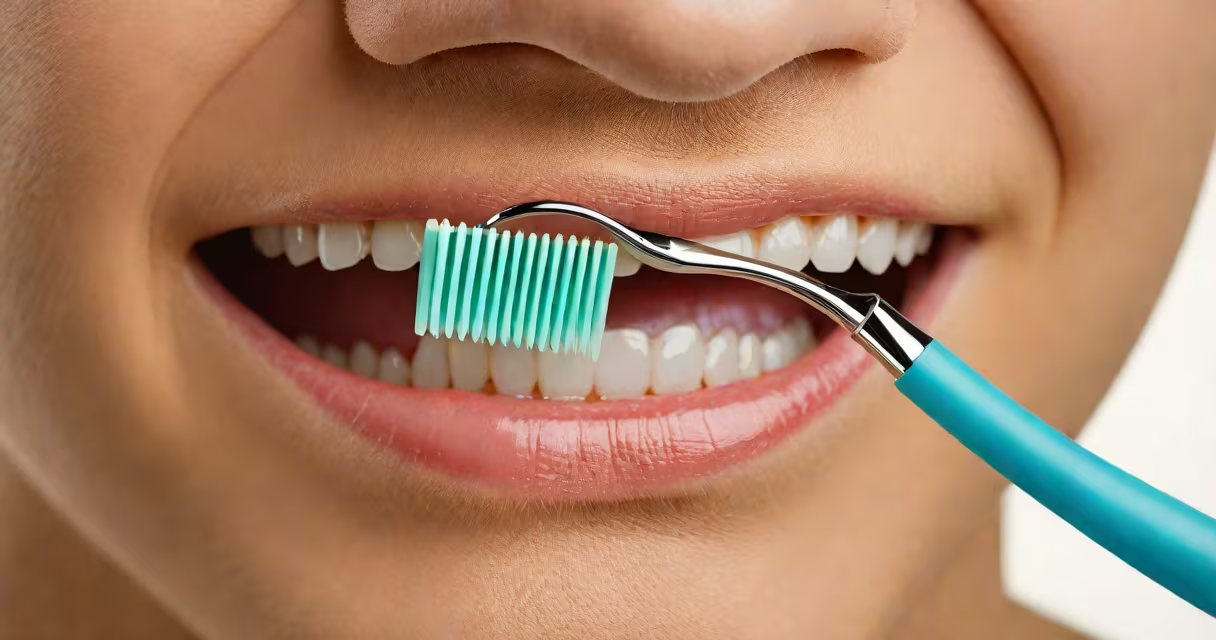
Using a tongue scraper is effective for removing the biofilm on the tongue. I tested a stainless steel scraper for three weeks during a dental residency rotation. My patients reported noticeable improvement in breath quality within five days, especially those with chronic halitosis.
For persistent cases, see a dentist or periodontist. They can detect early signs of gum disease, cavities, or abscesses. A single dental visit may reveal hidden causes-such as a decayed tooth behind a molar-that contribute to bad breath.
Bad breath that persists despite consistent oral hygiene likely stems from an underlying cause. The Mayo Clinic notes that halitosis lasting more than two weeks should prompt a medical evaluation. Signs such as bad breath with a sweet or acetone smell may indicate uncontrolled diabetes.
Other red flags include bad breath accompanied by sore throat, fever, or difficulty swallowing. These suggest infection or inflammation requiring antibiotics or anti-inflammatory treatment. Chronic bad breath with dry eyes and mouth may signal autoimmune disorders.
For those who suspect their breath is problematic but lack symptoms, ask a trusted friend or partner to assess it. Self-assessment is unreliable-people adapt to their own odor over time. A simple test: lick the back of your hand, wait 10 seconds, then sniff. If it smells unpleasant, action is needed.