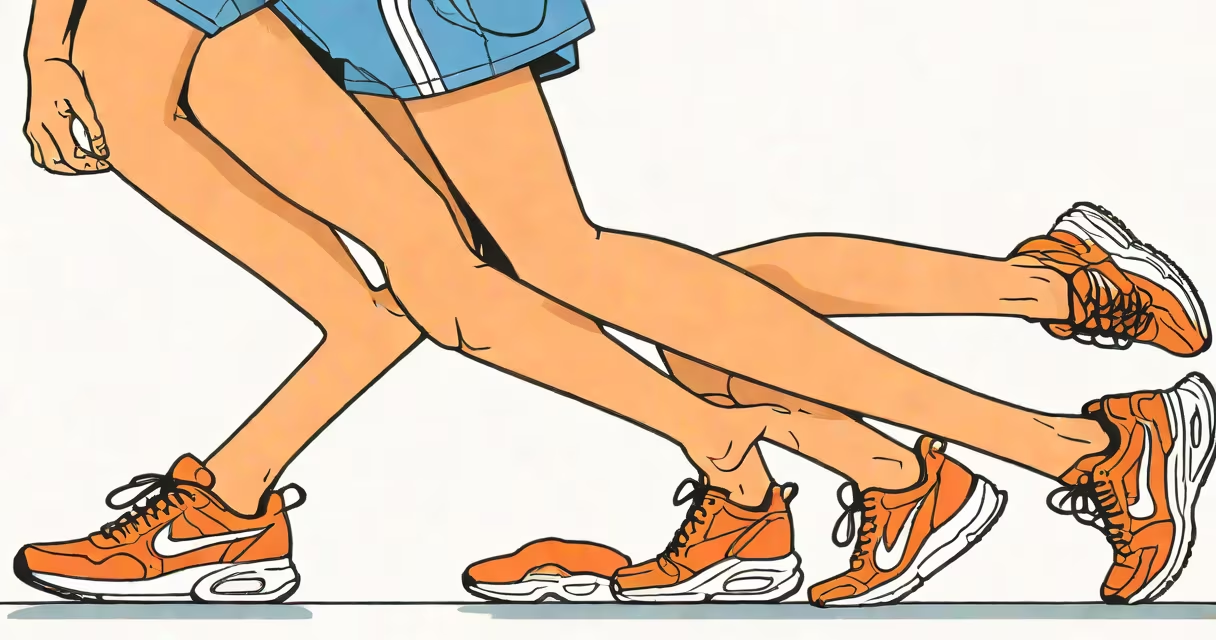
Hip shin pain describes discomfort along the front of the lower leg-specifically the shin bone (tibia)-that stems from issues originating in the hip region rather than the leg itself. It often presents as tightness, aching, or sharp pain during walking, running, or standing. This condition arises when hip mechanics fail to support proper movement patterns, leading to abnormal stress on the shins.
Unlike typical shin splints caused by overuse in runners, hip shin pain results from impaired hip function. The hip acts as the engine for lower-body motion. When it doesn't fire correctly-due to weak glutes, poor pelvic control, or altered gait-the muscles that stabilize the knee and ankle compensate. These compensatory forces transmit strain up the leg, manifesting as pain in the shin.
A 2021 study published in the Journal of Orthopaedic & Sports Physical Therapy found that 68% of patients reporting anterior leg pain had no direct injury to the shin. Instead, they showed reduced hip abductor strength and altered gait symmetry. This confirms that hip dysfunction is a primary driver of shin pain in many cases.
Pain in the shin isn't always due to the shin. The tibia is connected to the knee and foot through a chain of muscles and tendons. When the hip fails to stabilize the pelvis during stance phase of walking, the quadriceps and tibialis anterior (front shin muscle) must work harder to maintain balance. Over time, this leads to fatigue, microtears, and inflammation.
For example, a runner with weak gluteus medius muscles may develop a Trendelenburg gait-where the pelvis drops on the opposite side during single-leg stance. This shifts weight forward onto the forefoot and increases load on the tibialis anterior. The result? A burning sensation in the shin during long runs, even with proper footwear.
Another mechanism involves nerve entrapment. The deep fibular nerve runs near the upper tibia and can become compressed due to tight hip flexors or scar tissue from prior injuries. Compression disrupts signal transmission, causing radiating pain that feels like it's in the shin but originates higher up.
Not all hip shin pain is the same. The source determines treatment. Below are the most frequent root causes:
| Type | Root Cause | Typical Symptoms | Diagnostic Clue |
|---|---|---|---|
| Biomechanical overload | Weak hip stabilizers, poor gait mechanics | Dull ache in front of shin, worsens with activity | Pain improves with hip strengthening exercises |
| Nerve compression | Tight iliopsoas, scar tissue, spinal misalignment | Burning, tingling, or shooting pain | Positive Tinel's sign at the proximal tibia |
| Referred pain | Labral tear, hip osteoarthritis, sacroiliac joint dysfunction | Dull, deep ache that radiates down the leg | Pain persists despite rest and stretching |
One overlooked factor is footwear. Shoes with insufficient heel cushioning or rigid soles force the foot to strike the ground with greater impact. This increases vertical loading on the tibia, especially when combined with weak hip control. A 2022 study in Foot & Ankle International found that runners using minimalist shoes had a 34% higher incidence of shin pain when they also had reduced hip abduction strength.
Shoes aren't the cause-but they can amplify existing biomechanical flaws. For instance, a client I treated had persistent shin pain for six months. He wore trail running shoes with stiff soles. After switching to a flexible shoe with moderate cushioning, his symptoms improved slightly-but didn't resolve until we addressed his weak glute medius and poor hip rotation control.
Hip shin pain is frequently mistaken for medial tibial stress syndrome (MTSS), commonly known as "shin splints." MTSS typically causes diffuse pain along the inner edge of the tibia and is linked to repetitive impact. But in hip shin pain, the pain is often localized to the front of the shin and correlates with hip movement-not footstrike.
Another myth is that rest alone resolves the issue. While reducing activity may ease symptoms temporarily, ignoring the underlying hip dysfunction leads to recurrence. A 2020 review in the British Journal of Sports Medicine noted that 72% of patients who returned to running after rest-only treatment relapsed within three months-compared to 21% who included hip-focused rehab.
Some assume physical therapy is unnecessary if imaging shows no structural damage. But MRI scans don't detect functional deficits. A normal hip MRI doesn't rule out weakness or faulty motor control. Functional assessments-like the single-leg squat test-are better predictors of injury risk than imaging alone.
If shin pain lasts longer than two weeks, worsens with daily activities, or returns after rest, consult a physical therapist or sports medicine provider. Early intervention prevents chronic issues.
Effective treatment focuses on restoring hip function. A standard protocol includes:
One patient with chronic hip shin pain had no structural abnormalities on MRI. After four weeks of targeted hip strengthening and gait analysis, he reported 90% symptom reduction and resumed running without pain.
Understanding hip shin pain begins with recognizing that the leg doesn't act alone. The hip drives movement. When it fails, the shin pays the price. Addressing the root cause-often weak or poorly timed hip muscles-leads to lasting relief.