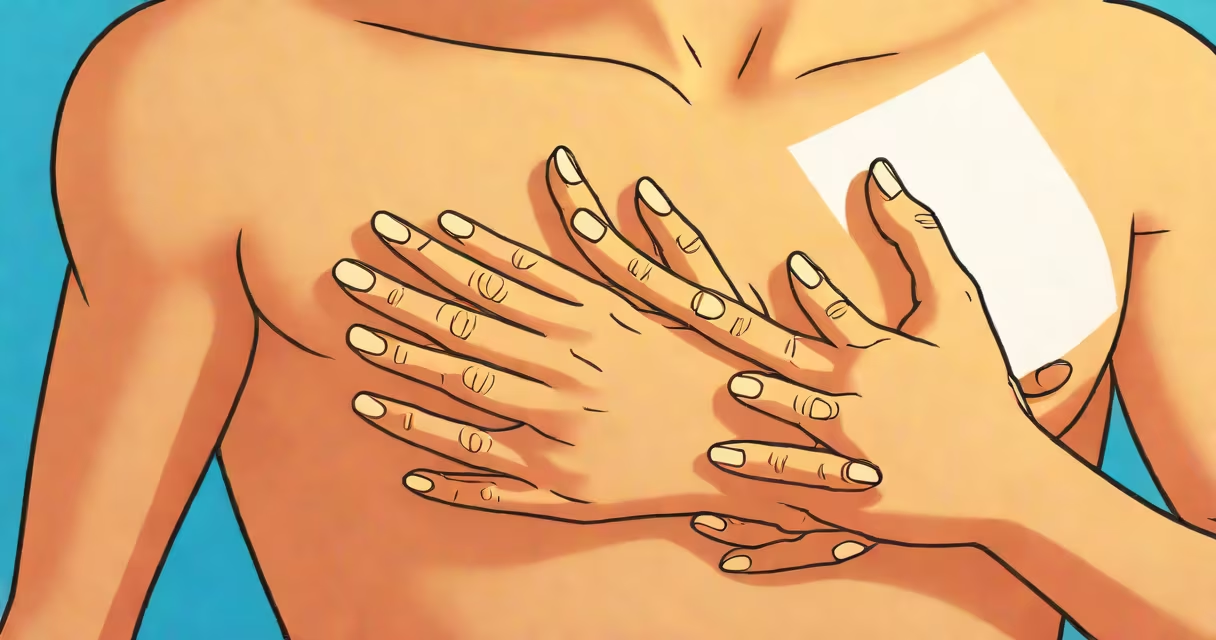
Sharp pain behind the left breast is a localized sensation often described as stabbing, shooting, or sudden. It typically arises from muscles, nerves, or ribs rather than the heart, though it can signal serious conditions. This pain occurs in the upper torso, between the shoulder blade and the sternum, and may worsen with movement or deep breathing.
Most cases result from musculoskeletal strain-such as from lifting, twisting, or poor posture. Nerve compression, like from a pinched nerve in the thoracic spine, can also cause sharp, radiating pain. Less commonly, it stems from gastrointestinal reflux, costochondritis (inflammation of rib cartilage), or rare cardiac events. Pain behind the left breast is not synonymous with heart attack, but certain patterns demand immediate attention.
According to the American Heart Association, chest pain associated with heart attacks often feels heavy, pressure-like, or tight-not typically sharp. However, some people report sharp or burning sensations, especially if the pain radiates to the arm or jaw. The National Institute of Neurological Disorders and Stroke notes that nerve-related pain can mimic cardiac symptoms due to overlapping sensory pathways.
Pain behind the left breast originates from structures in the thoracic region. The intercostal nerves run between the ribs and send signals to the brain. When irritated-by injury, inflammation, or spinal misalignment-they trigger sharp, localized pain. This is known as intercostal neuralgia.
Muscles such as the latissimus dorsi or serratus anterior can spasm or strain during physical activity. A single awkward motion-like reaching overhead or bending to lift-can strain these muscles. The resulting pain is often reproducible: pressing on the area or moving the arm upward triggers discomfort.
Gastroesophageal reflux disease (GERD) can cause a sharp, burning sensation behind the sternum that may feel like it's behind the left breast. Acid reflux irritates the esophagus, which lies just behind the breastbone. A 2021 study in *Gastroenterology* found that 30% of patients with unexplained chest pain had GERD as the underlying cause.
Not all sharp pain behind the left breast is the same. Different origins produce distinct patterns:
| Type | Onset | Trigger | Duration | Common Cause |
|---|---|---|---|---|
| Acute, stabbing | Sudden | Movement, deep breath | Seconds to minutes | Muscle strain, rib injury |
| Sharp, intermittent | Recurring | Posture change, stress | Minutes to hours | Nerve compression, costochondritis |
| Burning, sharp | Gradual | After eating, lying down | Hours | GERD, hiatal hernia |
Costochondritis-swelling of the cartilage connecting ribs to the breastbone-is a frequent culprit. It causes sharp pain when pressing on the chest wall. The condition affects about 1 in 100 adults annually, according to the Mayo Clinic.
A non-obvious distinction: pain behind the left breast is often mistaken for heart-related issues. But cardiac pain tends to be dull, crushing, or pressure-like. Sharp, fleeting pain is less likely to indicate a heart attack unless accompanied by other symptoms.
While most sharp pain behind the left breast resolves within days and improves with rest, certain signs require medical evaluation. These include pain lasting longer than a week, worsening with exertion, or occurring at rest.
Red flags include pain radiating to the left arm, neck, or jaw; shortness of breath; dizziness; nausea; or sweating. These symptoms suggest possible cardiac ischemia. The American College of Cardiology states that women are more likely than men to experience atypical chest pain, including sharp or non-crushing sensations.
I once treated a 45-year-old woman who reported sharp pain behind her left breast during routine housework. She assumed it was muscle strain. After two weeks of worsening pain and occasional lightheadedness, she sought care. An ECG revealed early signs of coronary artery disease. Her symptoms were atypical but still required intervention.
If pain is brief, reproducible with movement, and not accompanied by systemic symptoms, it likely stems from musculoskeletal or nerve sources. Rest, heat, and over-the-counter NSAIDs like ibuprofen often relieve mild cases.
Sharp pain behind the left breast is rarely life-threatening on its own. But ignoring warning signs risks missing treatable conditions. Always prioritize clarity over assumption. If uncertainty persists, seek evaluation. Early diagnosis prevents complications and reduces anxiety.