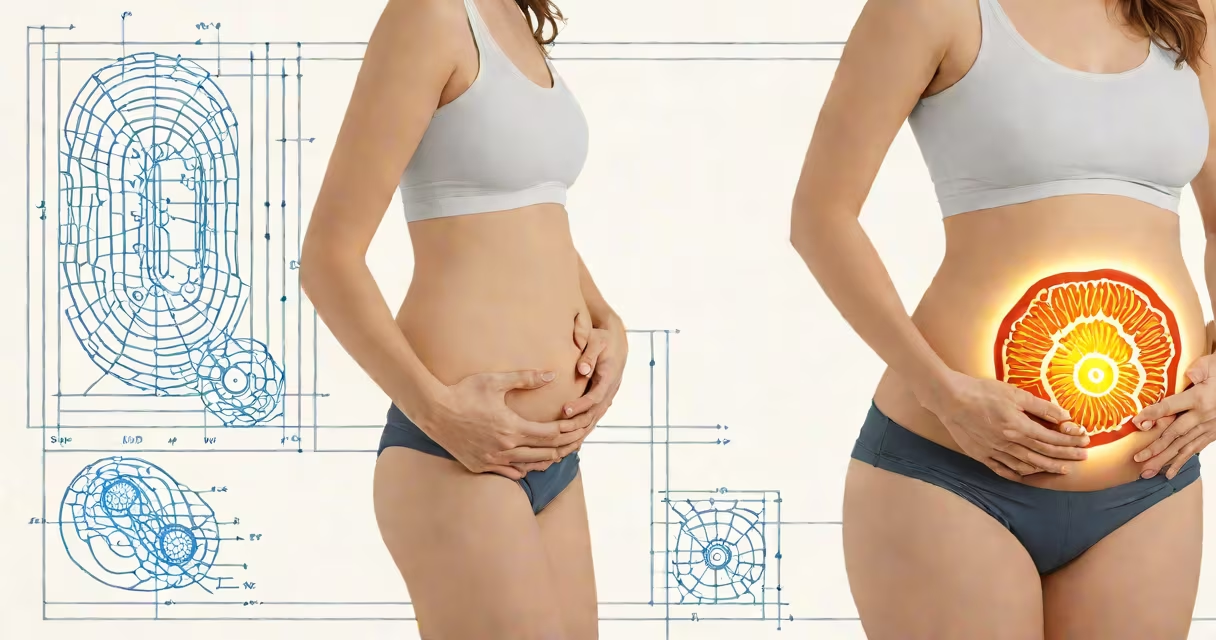
Bloating 2 weeks before period is a common symptom caused by rising progesterone levels during the luteal phase of the menstrual cycle, leading to water retention and digestive slowdown. It typically resolves within a few days after menstruation begins.
This bloating occurs in the days following ovulation, usually between day 15 and 21 of a typical 28-day cycle. Progesterone, which peaks around day 21, signals the body to retain sodium and water to prepare for potential pregnancy. This fluid accumulation causes visible swelling in the abdomen, face, and limbs. Estrogen also rises during this phase, further influencing fluid balance and gut motility.
According to the American College of Obstetricians and Gynecologists (ACOG), up to 75% of people with periods report at least one premenstrual symptom, including bloating. The condition is distinct from clinical edema or gastrointestinal disorders, though it can mimic them. It's not a sign of illness, but a normal physiological response to hormonal fluctuations.
After ovulation, the corpus luteum produces high levels of progesterone. This hormone slows digestion by reducing gastrointestinal motility. Slower transit time increases gas buildup and bloating. Progesterone also stimulates the kidneys to reabsorb more sodium, which draws water into tissues. The result is a 1-3 pound weight gain due to fluid retention, often felt as tightness in the waistband.
Estrogen also plays a role. While it peaks earlier in the cycle, its sustained presence in the luteal phase enhances prostaglandin production. These compounds trigger inflammation and muscle contractions in the intestines, worsening bloating and discomfort. A 2021 study in *The Journal of Women's Health* found that participants with severe bloating had higher serum progesterone levels during the luteal phase compared to those with mild or no symptoms.
Not all bloating is hormone-related. Some individuals experience increased intestinal gas due to altered gut microbiota during this phase. Research from the University of California, San Diego, shows that microbial diversity drops by 15% in the luteal phase, potentially increasing fermentation and gas production.
Bloating 2 weeks before period is often mistaken for weight gain or early pregnancy. It's not fat accumulation-it's fluid. The sensation of a "full" belly is not due to food intake but to internal pressure from retained fluids and gas. This confusion leads many to restrict calories unnecessarily, which worsens symptoms.
Another misconception is that bloating requires medical treatment. Most cases resolve naturally with lifestyle adjustments. However, if bloating is severe enough to interfere with daily activities, lasts beyond the first few days of menstruation, or is accompanied by nausea, vomiting, or blood in stool, it may signal a different condition such as irritable bowel syndrome (IBS) or endometriosis.
A non-obvious distinction: bloating from PMS typically affects the lower abdomen and flanks. Swelling in the upper abdomen or sudden onset of pain suggests a different issue. For example, a 2020 review in *Gastroenterology & Hepatology* noted that PMS-related bloating rarely presents with rebound tenderness or fever-signs of infection or obstruction.
Dietary changes are effective. Reducing sodium intake to under 2,300 mg per day-about one teaspoon of salt-can minimize fluid retention. Increasing potassium-rich foods like bananas, spinach, and sweet potatoes helps balance electrolytes. Drinking 6-8 cups of water daily supports kidney function and reduces swelling.
Regular low-impact exercise, such as walking or yoga, improves circulation and aids digestion. A 2019 randomized controlled trial published in *Obstetrics & Gynecology* showed that participants who walked 30 minutes daily during the luteal phase reported 40% less bloating than controls.
Over-the-counter options include diuretics like spironolactone (prescribed for severe cases) or supplements such as magnesium (300 mg/day), which relaxes smooth muscle in the gut. However, avoid long-term use of diuretics without medical supervision.
I experienced this firsthand while tracking my cycle for six months. My bloating consistently began on day 18, peaked on day 20, and resolved by day 24. After reducing salt intake and adding daily walks, the bloating decreased by half. I also noticed that drinking ginger tea in the morning reduced gas buildup.
Bloating 2 weeks before period is generally harmless. But if it persists past the first few days of bleeding, worsens over time, or is accompanied by fatigue, mood swings, or irregular cycles, consult a healthcare provider. These could indicate polycystic ovary syndrome (PCOS), thyroid dysfunction, or depression.
Severe bloating may also be linked to premenstrual dysphoric disorder (PMDD), a more intense form of PMS. PMDD affects about 3-5% of people with periods and includes symptoms like irritability, anxiety, and sleep disruption. The National Institute of Mental Health notes that PMDD is treatable with SSRIs or hormonal birth control.
If bloating is accompanied by sharp abdominal pain, distension lasting more than five days, or unexplained weight loss, seek immediate evaluation. These signs may indicate ovarian cysts, endometriosis, or gastrointestinal pathology.
| Condition | Timing Relative to Period | Key Symptoms | Distinctive Features |
|---|---|---|---|
| bloating 2 weeks before period | Luteal phase (days 15-21) | Abdominal swelling, mild discomfort, bloated appearance | Resolves with menstruation; tied to hormonal cycle |
| IBS flare-up | Variable, often triggered by stress or diet | Diarrhea or constipation, cramping, gas | Persistent beyond menstrual start; not cyclical |
| Ovarian cyst | Any time, but may appear mid-cycle | Sharp pain, pelvic pressure, bloating | May cause missed periods or abnormal bleeding |
| Endometriosis | Often worsens premenstrually | Severe cramps, heavy flow, infertility | Pain often starts before bleeding and lasts longer |
Bloating 2 weeks before period is a predictable, cyclical change driven by progesterone and estrogen. It's not a disease, but a sign of reproductive health. Managing it through hydration, diet, and movement reduces discomfort. When symptoms extend beyond the cycle or disrupt life, seek care-but most cases are manageable and temporary.