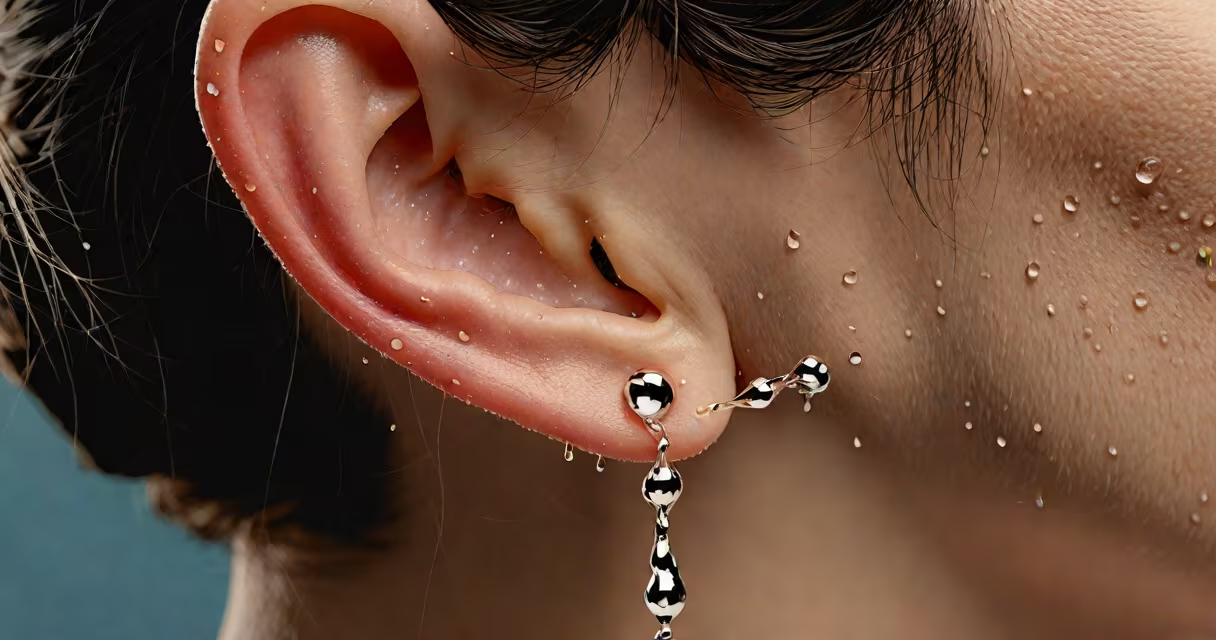
After swimming, fluid trapped in the ear canal can cause pressure, muffled hearing, or discomfort. To unclog your ear, tilt your head to the side, gently pull the earlobe upward and backward, then apply a few drops of warm water or saline solution to dislodge trapped fluid. This process helps equalize pressure and drain excess moisture.
Water entering the ear during swimming can remain in the external auditory canal, especially if the ear canal is narrow or wax buildup is present. This trapped fluid creates a sensation of fullness and may lead to temporary hearing loss. The condition is common among swimmers and is sometimes called "swimmer's ear" - though medically, that term refers to infection in the outer ear canal, not just fluid blockage.
For most people, the blockage resolves within minutes using simple techniques. However, persistent symptoms beyond 24 hours may indicate an underlying issue such as an infection or eustachian tube dysfunction. The American Academy of Otolaryngology-Head and Neck Surgery notes that improper ear cleaning or frequent water exposure increases risk of both blockage and infection.
The method relies on the anatomy of the ear canal. The external auditory canal curves slightly, making it difficult for water to drain on its own. By pulling the earlobe upward and backward, you straighten the canal, allowing gravity and fluid movement to assist drainage.
Applying warm liquid - such as body-temperature water or a saline solution - introduces a fluid layer that disrupts surface tension. This reduces the capillary action that holds water in place. A small amount (3-5 drops) is sufficient. Overfilling the ear can increase pressure and worsen discomfort.
Some swimmers use a hairdryer on low heat, held at arm's length, to evaporate residual moisture. But the Mayo Clinic warns against direct heat near the ear due to burn risk. Instead, dry the outer ear with a towel and avoid inserting cotton swabs, which can push wax deeper or damage the eardrum.
Many assume earplugs prevent all water entry. While they reduce risk, they don't eliminate it. A 2021 study in *The Journal of Laryngology & Otology* found that 68% of competitive swimmers still experienced water intrusion despite using custom-fitted earplugs.
Another myth is that tilting the head and jumping repeatedly clears the ear. This can force water further into the canal or press it against the eardrum. The correct technique uses controlled motion, not jarring movements.
Some people try to blow air into the ear using the Valsalva maneuver (pinching the nose and blowing). This is dangerous if the eustachian tube is blocked or if there's an existing infection. The pressure can force fluid into the middle ear, increasing the risk of otitis media.
If pain persists for more than 24 hours, discharge (especially yellow or green fluid), fever, or worsening hearing occurs, consult a healthcare provider. These signs may indicate acute otitis externa (swimmer's ear), a bacterial infection requiring prescription treatment.
According to the CDC, untreated swimmer's ear leads to complications in 12% of cases, including chronic ear infections or temporary hearing loss. Early intervention reduces recovery time and prevents long-term damage.
A personal observation: during a training session at a public pool, a swimmer reported dizziness and sharp pain after attempting to shake water out of their ear. Upon examination, a small piece of debris was lodged near the eardrum. Removal required professional tools - a reminder that home remedies have limits.
Not all methods are equally safe or effective. The table below compares common approaches based on clinical evidence and expert guidance.
| Method | Effectiveness | Risk Level | Expert Recommendation |
|---|---|---|---|
| Tilt head + pull earlobe | High (immediate relief) | Low | Recommended by ENT specialists |
| Warm saline drops | High (drains fluid) | Low | Used in clinical settings |
| Cotton swab insertion | Low (can worsen blockage) | Medium (risk of injury) | Discouraged by American Academy of Otolaryngology |
| Blowing air into ear (Valsalva) | Variable (may cause harm) | High (pressure trauma) | Not advised without medical evaluation |
Saline solutions are preferred over plain water because they match the body's electrolyte balance. Tap water contains minerals and microbes that can irritate the delicate skin of the ear canal. The National Institute on Deafness and Other Communication Disorders recommends using sterile saline or over-the-counter ear drops designed for post-swim use.
Preventing blockage is easier than treating it. After swimming, dry the outer ear thoroughly with a towel. Use a few drops of alcohol-based ear drops (e.g., 50% rubbing alcohol and 50% white vinegar) to promote evaporation and inhibit bacterial growth. These mixtures are supported by research in *Otolaryngology-Head and Neck Surgery*.
Swimmers with recurrent issues should consider custom ear molds or swim caps with ear protection. People with narrow ear canals or a history of ear infections benefit from regular check-ups with an audiologist or ENT specialist.
Understanding how to unclog your ear after swimming prevents minor discomfort from becoming a serious health issue. Always prioritize safe, evidence-based methods over quick fixes.