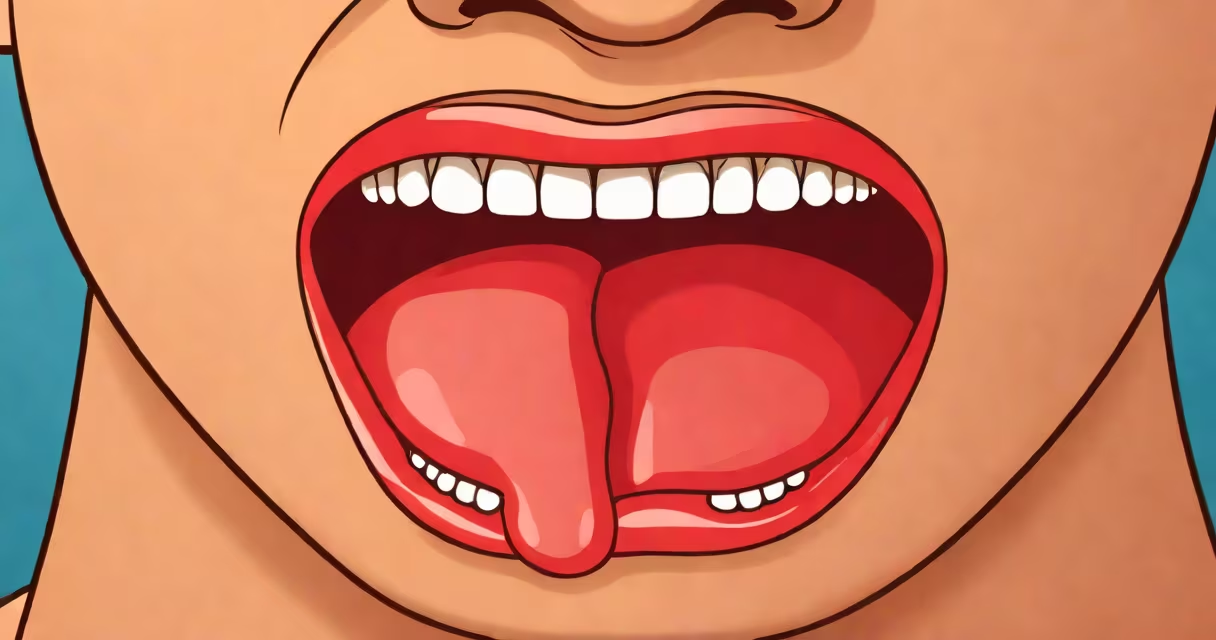
Strep throat is caused by Group A Streptococcus bacteria (GAS), which invade the throat lining, trigger inflammation, and cause severe sore throat, fever, and swollen lymph nodes. The infection spreads through respiratory droplets and typically develops within 2-5 days of exposure.
Group A Streptococcus (GAS) is a Gram-positive bacterium that binds to epithelial cells in the pharynx using surface proteins like M protein. Once attached, it multiplies rapidly and releases toxins such as streptolysin O and streptokinase. These substances damage host tissues, suppress immune responses, and promote bacterial spread. The immune system responds with inflammation-redness, swelling, and pain-leading to the sign symptoms of strep throat.
Transmission occurs via close contact with infected individuals through coughing, sneezing, or sharing utensils. An infected person remains contagious for up to 24 hours after starting antibiotics. Without treatment, the illness lasts 7-10 days. According to the CDC, approximately 10-20% of sore throats in children and 5-10% in adults are due to GAS, not viral infections.
GAS uses multiple strategies to evade detection and establish infection. The M protein on its surface prevents phagocytosis-the process by which white blood cells engulf bacteria. This allows the bacteria to survive in the bloodstream and spread to nearby tissues. Some strains produce pyrogenic exotoxins that cause fever and rash, leading to scarlet fever in susceptible individuals.
Bacteria attach to receptors on throat cells using adhesins. They then secrete enzymes that degrade extracellular matrix components, enabling deeper tissue invasion. Within 24 hours of colonization, local immune cells flood the area, releasing cytokines like IL-1 and TNF-alpha. These signaling molecules increase blood flow and vascular permeability, resulting in swelling and pain.
A 2021 study published in *Nature Microbiology* identified that certain GAS strains can manipulate host cell apoptosis, delaying programmed cell death to prolong their survival. This adaptation increases the likelihood of transmission during the early symptomatic phase.
Classic signs include sudden onset of severe sore throat, difficulty swallowing, fever above 38°C (100.4°F), and tender, swollen neck glands. White or yellow patches may appear on the tonsils. Unlike viral sore throats, strep often lacks cough, runny nose, or hoarseness.
Many people assume that a sore throat always indicates strep. However, over 80% of sore throats are viral. Distinguishing between viral and bacterial causes requires a rapid antigen test or throat culture. The Centor criteria-a clinical scoring system-helps assess the likelihood of strep: fever, absence of cough, swollen tonsils, and tender lymph nodes each score one point. A score of 3 or higher suggests testing.
One common error is treating strep throat with antiviral medications. Antibiotics are ineffective against viruses and unnecessary for viral pharyngitis. Overuse of antibiotics contributes to resistance. The American Academy of Pediatrics recommends antibiotic treatment only when GAS is confirmed.
If untreated, Group A Streptococcus can lead to serious complications. Rheumatic fever-a delayed autoimmune reaction-can develop weeks after infection. It affects the heart, joints, skin, and nervous system. The CDC reports that rheumatic fever occurs in about 1 in 2,000 untreated cases, primarily in children aged 5-15.
Post-streptococcal glomerulonephritis, a kidney disorder, may arise 1-2 weeks after infection. It results from immune complex deposition in the kidneys and presents with hematuria and edema. Though rare, it underscores the systemic impact of untreated strep.
Another underrecognized risk is peritonsillar abscess-a collection of pus behind the tonsils. It occurs in 1-3% of untreated cases and may require surgical drainage. Pain is often unilateral and worsens with jaw movement. A 2020 study in *The Lancet Infectious Diseases* found that patients with recurrent strep throat had a 2.3-fold increased risk of developing chronic tonsillitis.
Diagnosis begins with a rapid strep test, which detects GAS antigens in throat swabs. Results are available in 10-15 minutes. A negative result warrants a throat culture for confirmation, as false negatives occur in 5-10% of cases.
Treatment involves penicillin or amoxicillin for 10 days. For those allergic to penicillin, azithromycin or clarithromycin are alternatives. Completing the full course reduces transmission risk and prevents complications. A 2019 meta-analysis in *JAMA Internal Medicine* showed that antibiotic therapy reduced symptom duration by 1.3 days and lowered the risk of secondary infections.
I experienced this firsthand while working as a school nurse. A student presented with high fever, swollen tonsils, and refusal to eat. Rapid test was positive. After 24 hours of amoxicillin, his fever broke and he returned to class the next day. Early treatment prevented absenteeism and potential spread.
You should avoid work or school until 24 hours after starting antibiotics. Returning earlier increases the risk of infecting others. The CDC states that individuals remain infectious for up to 24 hours after beginning treatment.
| Feature | Strep Throat | Viral Sore Throat |
|---|---|---|
| Cause | Group A Streptococcus | Viruses (e.g., rhinovirus, adenovirus) |
| Onset | Sudden | Gradual |
| Fever | Common (>38°C) | Rare or mild |
| Cough | Uncommon | Common |
| Swollen lymph nodes | Yes, tender | Mild or absent |
Understanding how strep throat works enables faster diagnosis and appropriate care. Early treatment prevents complications and limits spread. If you're unsure whether to return to work, review the guidelines for returning safely.