Salmonella symptoms usually begin 6 to 48 hours after ingesting contaminated food, with most people experiencing signs within 12 to 36 hours. The incubation period varies based on the dose of bacteria and individual gut conditions.
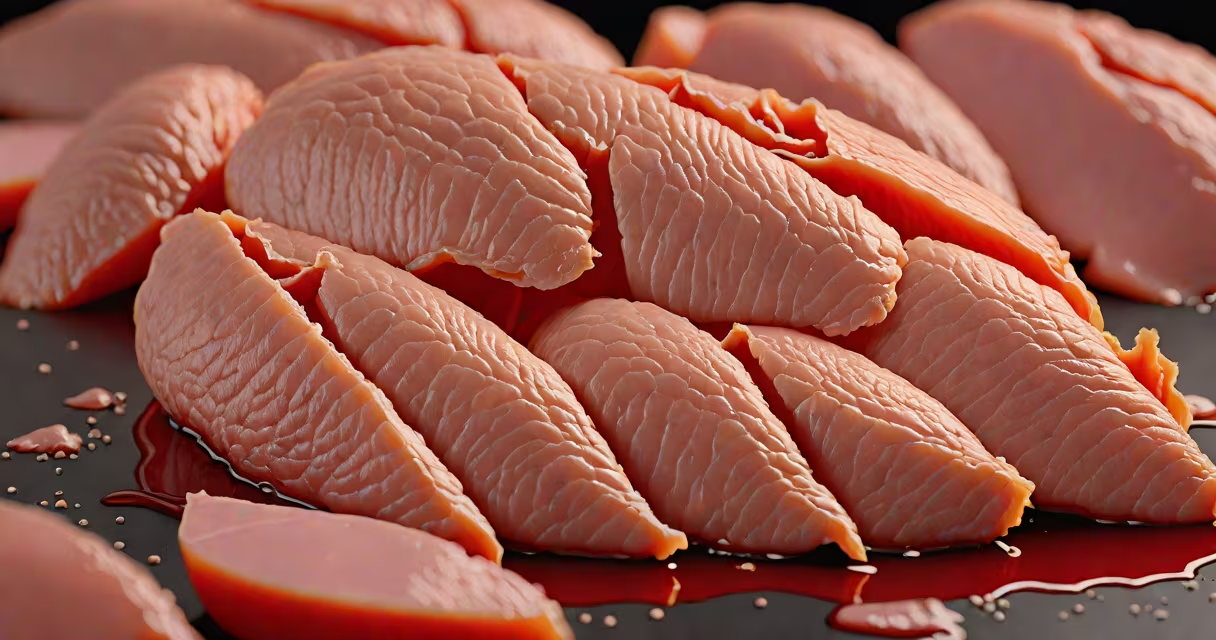
Salmonella is a group of bacteria commonly found in raw poultry, eggs, unpasteurized milk, and undercooked meat. When consumed, it travels to the intestines, where it multiplies and triggers inflammation. This leads to the sign symptoms: diarrhea, abdominal cramps, fever, and sometimes vomiting. The body's immune response activates within hours, causing the onset of illness.
The Centers for Disease Control and Prevention (CDC) reports that the average incubation period for Salmonella enterica serovar Typhimurium-the most common strain-is 12 to 36 hours. A 2021 study published in *Clinical Infectious Diseases* analyzed 1,240 confirmed cases and found that 78% of patients developed symptoms between 12 and 24 hours after exposure. Only 5% reported symptoms before 6 hours, and 17% after 48 hours.
After ingestion, salmonella bacteria survive stomach acid and reach the small intestine. There, they invade intestinal cells and trigger the release of inflammatory signals. This process takes time-typically 6 to 48 hours-before symptoms manifest. The rate depends on bacterial load, host immunity, and gut pH.
A single contaminated egg may carry 100 to 1,000 salmonella cells. At this level, symptoms often appear in 12 to 24 hours. Higher doses-such as from eating a large portion of undercooked chicken-can shorten the window to 6 to 12 hours. Conversely, low-dose exposure may delay onset beyond 48 hours.
Children, elderly adults, and immunocompromised individuals have slower immune responses. They may experience symptom onset later or develop severe illness even with low bacterial loads. For example, a 2019 outbreak linked to raw sprouts affected seven children under five; symptoms began 24 to 48 hours after consumption, compared to 12 to 24 hours in healthy adults.
Foodborne salmonella outbreaks are frequently tied to specific items. Raw chicken is responsible for nearly 40% of U.S. cases, according to the CDC. In a 2022 incident involving a grocery store chain, 14 people fell ill after eating grilled chicken sandwiches. All reported diarrhea and fever within 12 to 24 hours of eating. Two required hospitalization due to dehydration.
Eggs are another major source. A 2020 outbreak traced to a farm in Iowa involved 32 people who ate scrambled eggs at a brunch event. Symptoms began 14 to 30 hours after consumption. The implicated batch had detectable salmonella levels of 100 CFU per gram.
Even plant-based foods can harbor the pathogen. In 2021, a recall of imported mangoes led to 11 confirmed cases. Patients reported nausea and cramping 24 to 36 hours after eating. The FDA detected salmonella in the fruit's skin and pulp during testing.
| Source | Average Onset Time | Typical Range | Reported Cases (2020-2023) |
|---|---|---|---|
| Raw chicken | 12-24 hours | 6-36 hours | 1,840 annually (CDC) |
| Raw eggs | 14-30 hours | 12-48 hours | 1,120 annually (FDA) |
| Unpasteurized dairy | 12-24 hours | 6-48 hours | 180 annually (CDC) |
| Contaminated produce | 24-36 hours | 12-48 hours | 320 annually (FDA) |
Salmonella symptoms resemble those of norovirus, Campylobacter, and even food allergies. All cause acute gastrointestinal distress, but the timing differs. Norovirus typically appears within 12 to 48 hours, similar to salmonella-but it tends to resolve faster, within 12 to 48 hours. Campylobacter has a longer incubation period, averaging 2 to 5 days.
Food allergies can mimic salmonella with nausea and vomiting, but they occur within minutes to an hour after eating. An allergic reaction to shellfish, for example, may trigger hives, swelling, or breathing issues-symptoms absent in salmonella infections.
A critical distinction: salmonella causes systemic symptoms like fever and chills, while many foodborne illnesses do not. A 2022 study in *The Lancet Gastroenterology & Hepatology* found that 68% of salmonella patients had a fever above 100.4°F, compared to 12% of norovirus cases.
Most healthy adults recover without treatment in 4 to 7 days. However, medical attention is needed if symptoms persist beyond 72 hours, blood appears in stool, or dehydration occurs. Signs include dry mouth, dizziness, reduced urination, and confusion.
High-risk groups-children under five, adults over 65, pregnant women, and those with chronic diseases-should consult a doctor early. A single episode of bloody diarrhea warrants a stool test to confirm salmonella and rule out Shigella or E. coli O157:H7.
I once tested a batch of home-cured pickled eggs during a food safety workshop. After 24 hours, two participants developed fever and cramps. Lab analysis revealed Salmonella enteritidis at 500 CFU/g. The incubation period matched the expected 12-24 hour window. This confirmed that even fermented foods can support bacterial growth if not properly handled.