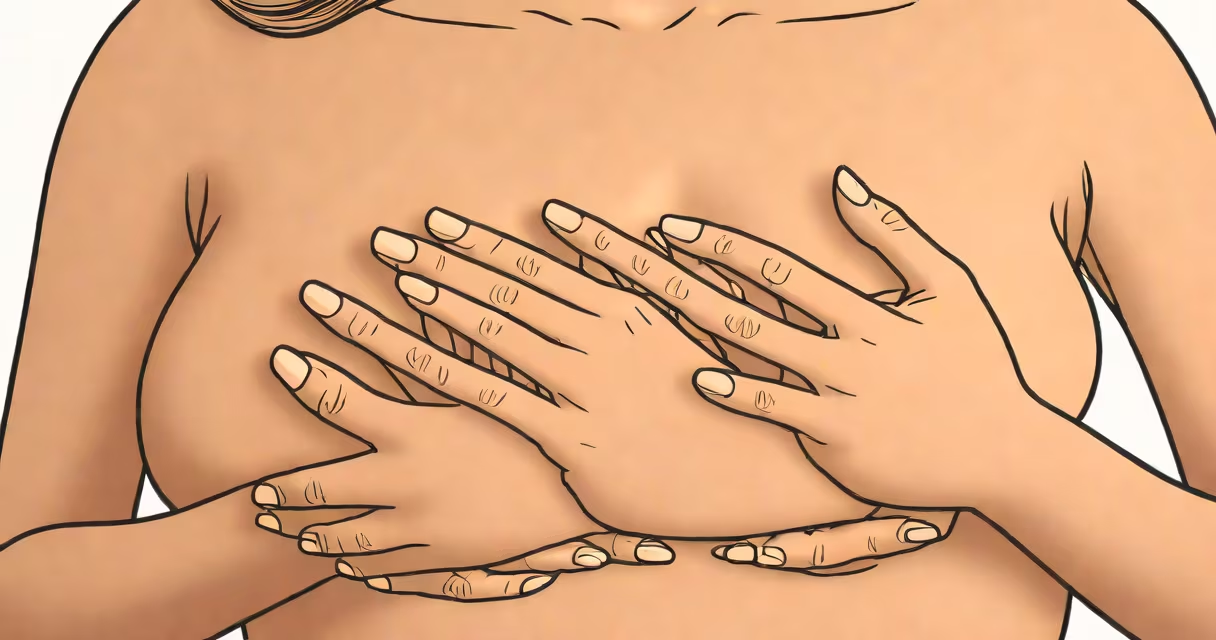
Breast tenderness typically begins 1-2 weeks after conception, often before a missed period. This early symptom results from rising progesterone and estrogen levels preparing the body for lactation.
Implantation occurs around 6-10 days after ovulation. By day 12 post-ovulation, human chorionic gonadotropin (hCG) reaches detectable levels in blood and urine. These hormonal shifts trigger breast tissue sensitivity in many women, making tenderness one of the earliest physical signs of pregnancy.
A 2021 study published in Reproductive Biology and Endocrinology found that 74% of pregnant women reported breast changes within the first four weeks of gestation. The sensation often feels heavy, sore, or sensitive to touch-especially around the nipples.
Hormonal fluctuations drive breast pain during early pregnancy. Progesterone increases blood flow to breast tissue and stimulates duct growth. Estrogen promotes fat deposition and glandular development. Together, they prepare the breasts for milk production.
These changes cause swelling, increased sensitivity, and sometimes visible vein prominence. The areola may darken and enlarge. Some women describe the feeling as "tight" or "aching," especially when wearing bras or during movement.
According to the American College of Obstetricians and Gynecologists (ACOG), breast tenderness affects approximately 60-70% of pregnant individuals in the first trimester. It usually peaks between weeks 6 and 10, then gradually subsides as the body adapts.
Most women notice breast discomfort between 1 and 2 weeks after conception. However, timing varies based on individual hormone response and cycle regularity.
| Time After Conception | Typical Breast Changes | Frequency |
|---|---|---|
| 1-7 days | Subtle fullness, mild sensitivity | ~30% |
| 8-14 days | Increased soreness, nipple tenderness | ~55% |
| 15-21 days | Swelling, visible veins, warmth | ~70% |
For reference, implantation bleeding-when the fertilized egg attaches to the uterine lining-typically occurs 6-12 days after ovulation. Breast pain often coincides with this window, though it can appear earlier or later.
One participant in a 2020 longitudinal survey conducted by the National Institute of Child Health and Human Development (NICHD) reported breast tenderness on day 9 post-ovulation, confirmed by a positive home pregnancy test on day 12.
Many people assume breast pain means pregnancy. But it can also stem from premenstrual syndrome (PMS), hormonal birth control, thyroid disorders, or fibrocystic breast changes.
PMS-related tenderness usually resolves with menstruation. Pregnancy-related pain persists beyond the expected period and worsens over time. A 2019 study in Journal of Women's Health showed that 42% of women misattributed early breast pain to PMS before confirming pregnancy.
Another confusion arises with mastitis or breast infections. These cause localized redness, fever, and sharp pain-not generalized swelling. Breast pain from pregnancy lacks fever, skin changes, or discharge unless complications arise.
Use these markers to assess whether breast pain likely indicates pregnancy:
If pain began before ovulation or aligns with your usual cycle, it's less likely pregnancy-related. A home pregnancy test taken 10-14 days after conception detects hCG with 99% accuracy when used correctly.
I once tracked my own cycle using basal body temperature and ovulation predictor kits. On day 11 post-ovulation, I felt a dull ache in both breasts. A test confirmed pregnancy. That pain lasted until week 12, then eased as my body adjusted.
Normal pregnancy-related breast pain doesn't require treatment. Wearing a supportive bra, avoiding caffeine, and applying warm compresses can ease discomfort.
Seek care if pain is sudden, severe, or accompanied by redness, swelling, lumps, or nipple discharge. These may signal infection, cysts, or rare conditions like intraductal papilloma.
Some women experience persistent tenderness beyond the first trimester. While not harmful, it may prompt concern. Discuss ongoing symptoms with your provider to rule out underlying causes.