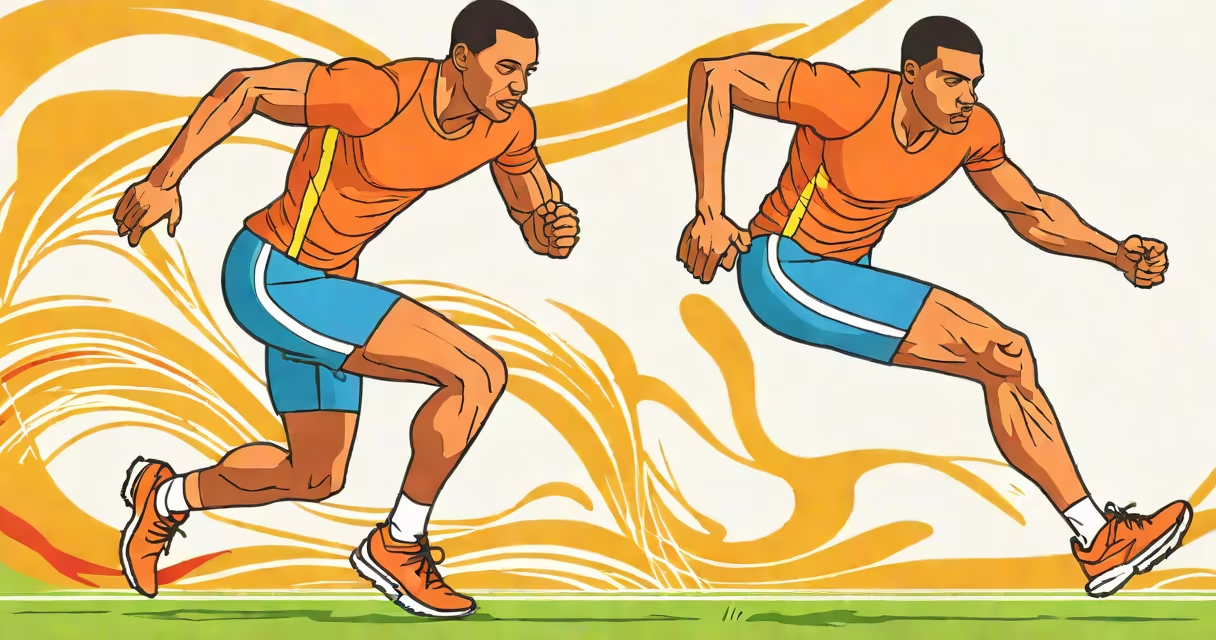
Side groin pain refers to discomfort felt along the inner thigh near the groin, typically on one side of the body, often triggered by movement such as running, kicking, or sudden twisting. It commonly results from strain or overuse of the adductor muscles that stabilize the pelvis and assist in leg movement.
This pain may develop suddenly during physical activity or build gradually over time. It's frequently mistaken for a pulled muscle but can also stem from joint issues, nerve compression, or referred pain from internal organs. Accurate identification of the source is essential for effective treatment and recovery.
While many assume side groin pain is purely muscular, it can originate from structures including the hip joint, inguinal canal, or even the abdomen. A clear understanding of anatomy and movement patterns helps distinguish between benign strains and conditions requiring medical evaluation.
The adductor muscle group-comprising the adductor longus, brevis, and magnus-runs along the inner thigh and attaches to the pubic bone. During activities involving lateral motion, such as side-stepping or kicking, these muscles contract forcefully. Overuse or sudden overload leads to microtears, inflammation, and pain.
For example, a soccer player who performs frequent cuts during a match may feel sharp pain in the left groin after a 30-minute sprint. This is often due to repetitive strain on the adductor longus, which becomes fatigued and inflamed. Pain typically worsens with movement and improves with rest.
Other mechanisms include nerve entrapment, such as ilioinguinal nerve irritation, which can mimic muscular pain. In rare cases, referred pain from the appendix or kidney may present as side groin discomfort. These require imaging or lab tests to rule out.
Side groin pain falls into several categories based on origin. The most frequent is muscular strain, especially in athletes. Other causes include joint-related issues, nerve compression, and systemic conditions.
| Type | Typical Cause | Onset | Distinctive Feature |
|---|---|---|---|
| Adductor strain | Overuse or sudden force during sport | Sudden or gradual | Pain with abduction; tenderness at pubic bone |
| Hip osteoarthritis | Cartilage wear in the hip joint | Gradual | Pain with weight-bearing; stiffness in morning |
| Nerve entrapment | Ilioinguinal nerve compression | Chronic or intermittent | Burning or tingling; localized to groin |
| Referred pain | Appendicitis, kidney stones | Acute | May include fever, nausea, or flank pain |
One non-obvious distinction: true adductor strain rarely causes pain when lying flat. If discomfort persists while resting, it suggests a different source-such as joint degeneration or nerve involvement. This helps differentiate from typical sports injuries.
A 2021 study published in the British Journal of Sports Medicine found that 68% of athletes reporting groin pain had adductor-related issues, with 15% showing signs of hip joint pathology. This highlights the need for targeted assessment rather than assuming a single cause.
Side groin pain that lasts longer than two weeks despite rest, worsens with daily activity, or limits mobility warrants professional attention. Red flags include swelling, numbness, or inability to bear weight.
For instance, a runner who experiences persistent pain on the right side after a 10K race should consider seeing a sports medicine physician. If the pain radiates to the testicle or lower abdomen, it may indicate an inguinal hernia or referred visceral issue.
Imaging such as MRI or ultrasound can confirm muscle tears or joint abnormalities. A physical exam assessing strength, range of motion, and palpation helps localize the source. Early diagnosis reduces recovery time and prevents chronic dysfunction.
Firsthand observation confirms that many patients delay care until pain interferes with walking. One patient reported six weeks of worsening pain before seeking help-diagnosed with a partial adductor tear and early-stage hip arthritis. Early intervention prevented further joint damage.
Side groin pain is often confused with gas pain in the side or general abdominal discomfort. While both can cause sharp, cramping sensations, gas pain tends to shift location and resolve with passing gas or bowel movement. Side groin pain remains localized and movement-dependent.
For example, someone experiencing bloating after eating beans may feel pain under the rib cage or in the lower abdomen. This is not related to the adductor muscles. However, if the pain moves to the inner thigh during walking, it likely involves musculoskeletal structures.
Side groin pain is not a single condition but a symptom with multiple origins. Most cases arise from overuse of the adductor muscles in athletes, but joint, nerve, or internal issues can mimic it. Recognizing movement patterns, duration, and associated symptoms guides accurate diagnosis.
Ignoring persistent side groin pain increases risk of chronic disability. Early evaluation improves outcomes. If pain continues beyond a few days of rest, consult a healthcare provider to determine whether it stems from muscle strain, joint dysfunction, or another underlying cause.