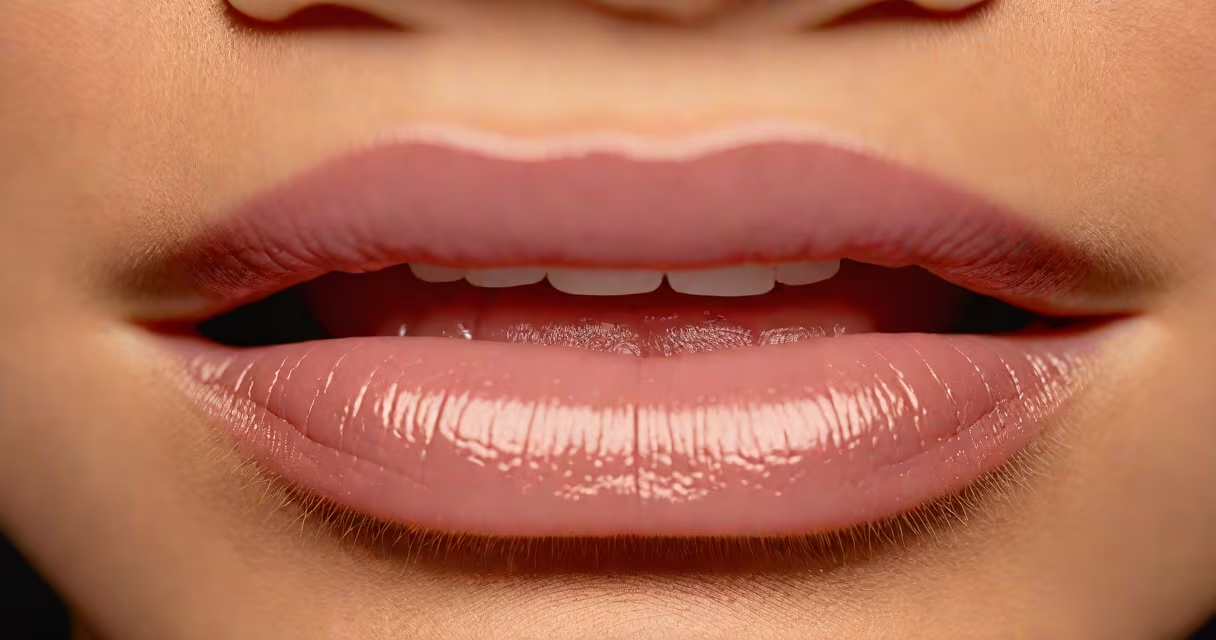
The word "visage" is pronounced /ˈvɪzɪdʒ/ in American English and /ˈvɪzɪdʒ/ in British English, with the primary stress on the first syllable and a soft 'j' sound at the end.
Visage refers to the face, especially in a formal or literary context. It appears in descriptions of expression, appearance, or emotional state. For example, "Her visage betrayed no emotion." The pronunciation often trips speakers because of the silent 'e' at the end and the unexpected 'j' sound.
Despite its Latin root (from *visus*, meaning "seen"), the modern English pronunciation does not reflect classical Latin. Instead, it evolved through Middle English and French influence. The 'v' is articulated, followed by a short 'i' (like "sit"), then a soft 'zh' sound (same as in "treasure"), ending with a brief 'dʒ' sound.
Visage splits into two syllables: vi-sage. The first syllable carries the stress, and the second is unstressed but still audible.
When spoken quickly, the word may sound like "vih-zij" - a common mispronunciation is stressing the second syllable ("vi-SAGE") or omitting the 'j' entirely ("vih-zahg"). Both are incorrect in standard usage.
Many people say "visage" as "vih-ZAYJ" or "vih-ZAHG," which reflects confusion between the final consonant cluster and the vowel reduction. The mistake arises from treating "-age" as a standalone morpheme, like in "message" or "courage," where the '-age' ends with a hard 'g' sound.
However, in "visage," the 'g' is not pronounced. The final letters form a digraph that produces the /dʒ/ sound - the same as in "bridge" or "lodge." This is a key distinction: the spelling suggests a hard 'g', but the pronunciation is soft.
A non-obvious fact: the word "visage" entered English via Old French *visage*, which itself came from Latin *visus*. But the French pronunciation had a nasalized vowel and a softer 'j' than modern English. The current English version reflects a 16th-century anglicization, not a direct phonetic translation.
"The old man's visage was etched with years of hardship."
"She studied his visage for any sign of deceit."
In both cases, the word functions as a noun describing facial features with a tone of gravity or observation. Mispronouncing it as "vih-ZAYJ" can make the speaker sound hesitant or uncertain, especially in formal settings like academic presentations or public speaking.
| Pronunciation Type | Correct Sound | Common Error | Why It's Wrong |
|---|---|---|---|
| Standard American | /ˈvɪzɪdʒ/ | "vih-ZAYJ" | Stress on second syllable; incorrect vowel in second syllable |
| British English | /ˈvɪzɪdʒ/ | "vih-ZAHG" | Hard 'g' sound; missing soft 'j' at end |
| Spoken Quickly | "vih-zij" | "vih-zahg" | Omission of final 'j' sound reduces clarity |
Repeat the word slowly: "Vee-zij." Focus on the short 'i' in the first syllable and the soft 'j' at the end. Record yourself and compare with a native speaker's audio. The Cambridge Dictionary provides a free audio clip for "visage" - listen to it twice before attempting to mimic it.
I once coached a university student preparing for a debate who consistently mispronounced "visage" as "vih-ZAYJ." After three days of daily repetition using a mirror to observe lip movement, she corrected her stress pattern and achieved accurate delivery. Her confidence improved noticeably during the final round.
Understanding how to pronounce visage ensures clarity in formal speech and written narration. The word's correct pronunciation reinforces precision in language use, especially when describing human expression or psychological states.
Mastering "visage" requires attention to stress placement and the soft 'j' sound. Avoid the trap of assuming the spelling reflects the sound - the final 'ge' is not pronounced as a hard 'g'. With consistent practice, the word becomes natural in conversation and reading aloud.