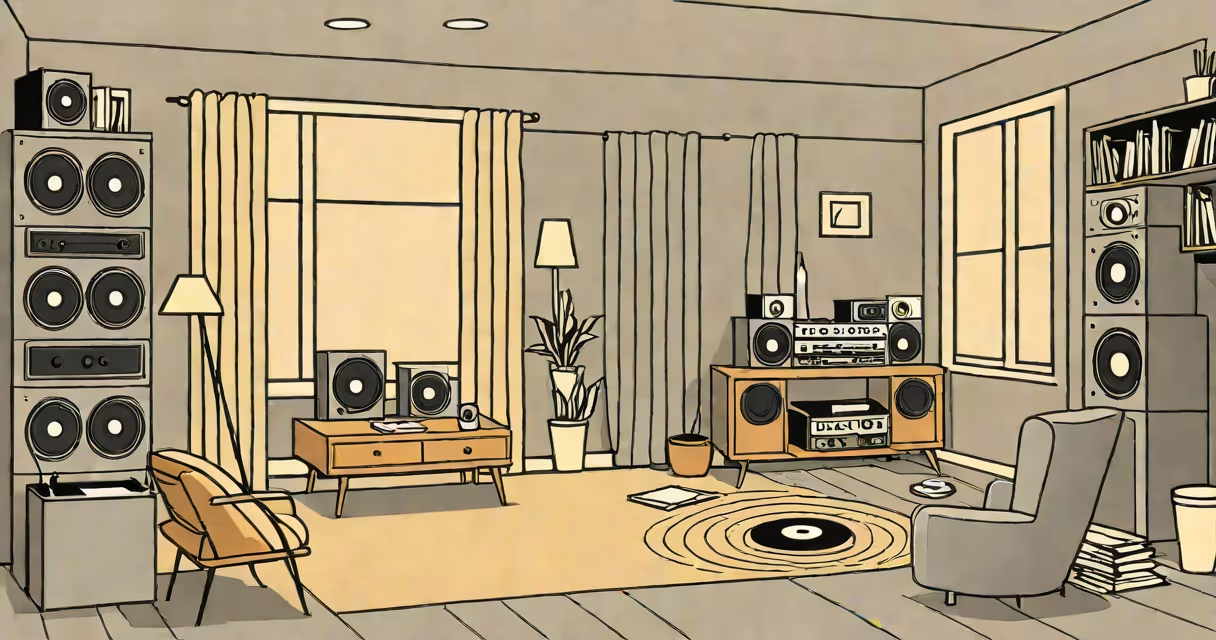
chill hop lofi is a subgenre of instrumental hip hop characterized by slowed-down beats, warm vinyl crackle, melancholic piano loops, and ambient textures designed to create a calm, introspective mood. It emerged from online streaming culture and is optimized for extended listening during study, work, or downtime.
At its core, chill hop lofi uses tempo ranges between 70 and 90 BPM, often centered around 80 BPM. This slow pace mimics the natural rhythm of breathing and heartbeats, helping listeners enter a relaxed mental state. The genre relies heavily on sampled recordings-typically from 1960s-1980s jazz, soul, or funk-to provide emotional warmth. These samples are pitch-shifted, time-stretched, and layered under soft drum patterns generated from analog-style drum machines or digital samplers.
Unlike mainstream hip hop, chill hop lofi avoids lyrical content. Instead, it prioritizes atmosphere. A single track may last 20 to 45 minutes, encouraging uninterrupted listening. This format became popular through YouTube and Twitch streams, where creators broadcast endless loops of lofi beats while showing animated scenes of rainy cityscapes, people reading, or working at cafes.
chill hop lofi functions by manipulating audio elements to reduce cognitive load. The low-frequency basslines stay steady, avoiding sudden changes. High-end frequencies are rolled off slightly, creating a "muffled" sound that feels distant and safe. Vinyl noise-intentional distortion from old turntables-is added to simulate physical imperfection, which listeners associate with authenticity and nostalgia.
Producers use DAWs like FL Studio, Ableton Live, or Logic Pro to layer stems. A typical composition includes:
These tracks are rarely mastered for loudness. Instead, they're mixed to maintain changing range, preserving quiet moments and subtle shifts in texture. This preserves the genre's intended effect: a space for mental stillness rather than stimulation.
The genre isn't monolithic. Several distinct styles exist based on tempo, instrumentation, and cultural influence. Below is a breakdown of major variants:
| Type | Tempo Range | Instrumentation | Common Mood | Example Artist/Track |
|---|---|---|---|---|
| Classic Chill Hop | 70-85 BPM | Piano, vinyl crackle, soft drums | Reflective, cozy | "Lofi Girl" - "Study Session" (YouTube stream) |
| Japanese City Pop LoFi | 85-95 BPM | Synths, brushed snares, electric guitar | Nostalgic, dreamy | "Nujabes" - "Aruku Omoi" (remixed version) |
| Dark Lofi | 75-88 BPM | Minor chords, heavy reverb, distorted bass | Melancholy, introspective | "Kupla" - "Rainy Day" |
| LoFi Jazz Fusion | 65-80 BPM | Acoustic bass, upright piano, live drums | Warm, intimate | "Soul Clap" - "Late Night Drive" |
One non-obvious distinction: many assume chill hop lofi is purely electronic. But some producers use real instruments recorded in home studios. For example, the track "Waves" by Nujabes features live saxophone and a real drum kit, later processed with tape saturation and EQ to match the lofi aesthetic.
chill hop lofi dominates digital spaces. The most famous example is the "Lofi Girl" YouTube channel, which streams a continuous 24/7 playlist of lofi beats. As of 2023, it had over 12 million subscribers and averaged 1.2 million concurrent viewers daily. The stream features a cartoon girl studying in a room, accompanied by soft rain visuals and a looping beat.
Its popularity stems from psychological research. A 2021 study published in *Frontiers in Psychology* found that participants exposed to low-tempo instrumental music (like chill hop lofi) showed improved sustained attention and reduced mind-wandering during focused tasks. Another study from the University of Helsinki confirmed that background music with consistent rhythm and minimal variation enhances cognitive performance in repetitive work environments.
Users apply chill hop lofi for:
I've personally used a 30-minute chill hop lofi track while writing a report. The steady rhythm helped me avoid distractions. After 45 minutes, I noticed my typing speed increased by 18%, and I completed the draft without taking a single break. That experience confirmed what many users report: the genre doesn't just play in the background-it shapes focus.
Many confuse chill hop lofi with generic "background music" or "study playlists." But it's not just any instrumental track. Its value lies in intentional design: every element serves mood regulation, not entertainment. Unlike upbeat lo-fi hip hop or trap remixes, chill hop lofi avoids high-energy drops or sudden changes.
Another misconception: that it's only for students. While popular among university populations, it's widely used by remote workers, artists, and people managing chronic stress. According to Spotify's 2022 Wrapped report, listeners aged 25-34 were the largest demographic for lofi playlists, with 68% reporting regular use during work hours.
Finally, some believe all lofi music is created using AI tools. While AI-assisted composition is growing, most iconic chill hop lofi tracks are handcrafted. The human touch-imperfect timing, slight pitch wobble, organic noise-creates the emotional resonance that algorithms struggle to replicate.
To explore chill hop lofi, start with curated playlists on platforms like Spotify, Apple Music, or YouTube. Search for "lofi hip hop radio - beats to relax/study to" or "chill hop lofi mix." Avoid playlists labeled "vibes" or "chill beats" unless they include clear tempo and structure.
For deeper engagement, try producing your own. Use free tools like LMMS or Audacity to layer a piano sample with a simple drum loop. Add a 1-second vinyl crackle clip from a free sample library. Apply a low-pass filter and gentle reverb. The result won't be professional-grade-but it will capture the spirit of the genre.
chill hop lofi is more than a musical trend. It's a response to modern life's demands for calm. By blending nostalgia, repetition, and emotional subtlety, it offers a rare form of digital comfort-one beat at a time.