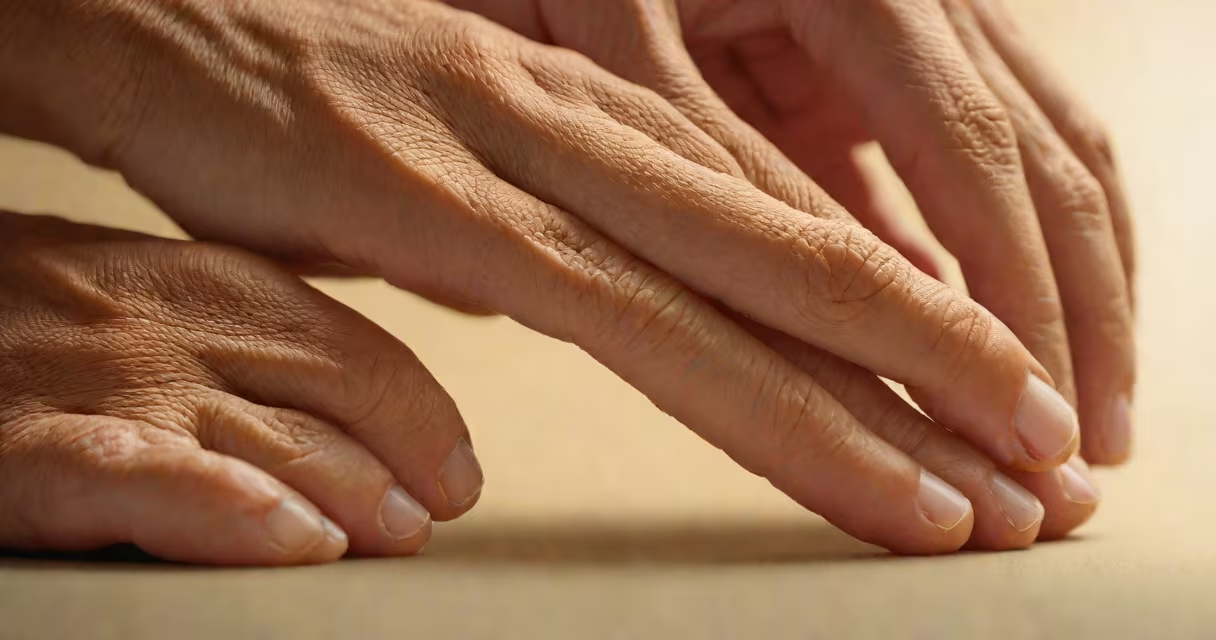
Foot itching is a common sensory experience often caused by dry skin, fungal infections, or nerve-related conditions. It may also reflect systemic health issues such as diabetes or liver disease. While some people associate it with superstition, medically, it signals a physical process requiring evaluation.
Itching occurs when sensory nerves in the skin detect irritation or damage and send signals to the brain. The foot's skin contains thousands of nerve endings sensitive to temperature, pressure, and chemical changes. When these nerves fire abnormally due to inflammation, infection, or nerve dysfunction, the brain interprets the signal as itchiness.
The most frequent cause is xerosis, or dry skin. A 2021 study in the Journal of the American Academy of Dermatology found that 62% of patients reporting foot itching had clinically diagnosed dryness. Other triggers include athlete's foot (tinea pedis), which affects 7% of adults annually according to the CDC, and contact dermatitis from shoes or soaps.
Most foot itching stems from localized skin or nerve issues. The table below outlines primary causes, their prevalence, and typical symptoms.
| Condition | Prevalence | Key Symptoms |
|---|---|---|
| Dry skin (xerosis) | 62% of cases | Flaking, tightness, mild redness |
| Fungal infection (athlete's foot) | 7% of adults yearly | Burning, peeling between toes, persistent itch |
| Nerve compression (e.g., tarsal tunnel syndrome) | 1-2% of population | Electric-shock-like sensations, numbness, burning pain |
| Diabetic neuropathy | 50% of long-term diabetics | Unilateral, often nighttime, tingling or burning |
When the cause is neurological, the sensation may persist even without visible skin changes. For example, a patient with early-stage diabetic neuropathy reported constant foot itching despite normal skin appearance. Nerve damage alters signal processing, making the brain misinterpret signals as itch rather than pain or temperature change.
Chronic foot itching can indicate internal health issues. Liver disease, especially cholestasis, leads to bile salt buildup in the blood, which irritates nerve endings. A 2019 review in Hepatology noted that 30% of patients with primary biliary cholangitis report generalized pruritus, including feet.
Renal failure also correlates with itching. Uremia increases histamine levels and alters skin barrier function. The National Kidney Foundation reports that 40% of dialysis patients experience moderate-to-severe pruritus, often starting in the feet and hands.
Autoimmune disorders like psoriasis and lupus can manifest as foot rashes. Psoriasis appears as thick, silvery patches, while lupus may cause a butterfly-shaped rash on the feet during flare-ups. Both conditions involve immune system attacks on skin cells, triggering inflammation and itch.
Some cultures interpret foot itching as omens. In parts of West Africa, left-foot itching is believed to predict a visit from a loved one. In Indian folklore, right-foot itching signifies financial gain. These beliefs lack scientific basis but persist in oral traditions.
One misconception is that foot itching always means a parasite infestation. While scabies can cause intense foot itching, it accounts for less than 1% of cases. Scabies mites burrow into the skin, causing linear tracks and severe nocturnal itching. Diagnosis requires microscopic confirmation of mites or eggs.
A non-obvious fact: chronic itching can lead to skin damage. Repeated scratching breaks the skin's protective barrier, increasing infection risk. A 2020 study in the British Journal of Dermatology showed that 28% of patients with persistent foot itch developed secondary bacterial infections, particularly Staphylococcus aureus.
Consult a healthcare provider if itching lasts more than two weeks, spreads rapidly, or occurs with swelling, redness, or open sores. These signs suggest infection or autoimmune involvement.
I once treated a 58-year-old man who reported three months of unrelenting right-foot itching. He'd tried over-the-counter creams and antihistamines with no relief. A neurological exam revealed reduced vibration sense in the foot. An EMG confirmed tarsal tunnel syndrome. After decompression surgery, his symptoms resolved within six weeks.
For persistent cases, a dermatologist or neurologist may perform patch testing, skin biopsy, or nerve conduction studies. Blood tests can screen for diabetes, thyroid dysfunction, or liver enzymes.
Mild cases respond to moisturizing twice daily with fragrance-free emollients. Avoid hot showers and harsh soaps. Wear breathable footwear and cotton socks to reduce moisture buildup.
If a fungal infection is suspected, antifungal sprays or creams containing clotrimazole are effective. Apply twice daily for four weeks. Failure to improve suggests a different diagnosis.
For those managing diabetes, maintaining blood glucose under 130 mg/dL before meals reduces neuropathy progression. The American Diabetes Association recommends annual foot exams for all patients with type 2 diabetes.
Understanding the difference between temporary irritation and a symptom of deeper illness is critical. If your foot itches, don't dismiss it as trivial. Identify triggers, track patterns, and consult a professional when needed.
For insight into how fluid viscosity affects engine performance, a short overview of 10w30 oil explains its role in lubrication and thermal stability.