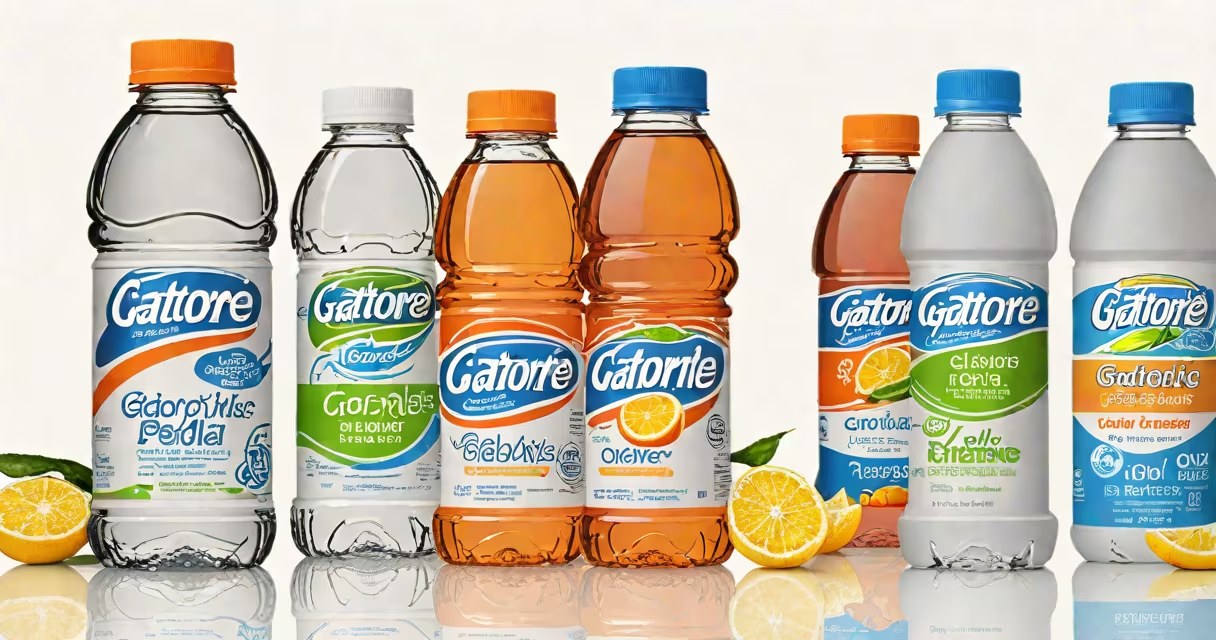
Gatorlyte and Pedialyte are both electrolyte-replenishing beverages designed to restore fluid balance, but they differ in formulation, intended use, and ingredient profiles. While both contain sodium, potassium, and glucose, their ratios and additional components reflect distinct purposes.
Electrolytes regulate nerve and muscle function, maintain pH balance, and support hydration. When the body loses fluids through sweat, illness, or dehydration, replenishing these minerals becomes essential. Gatorlyte targets athletes and active individuals needing rapid rehydration during or after physical exertion. Pedialyte was developed specifically for children recovering from vomiting, diarrhea, or fever-related dehydration.
The American Academy of Pediatrics notes that oral rehydration therapy-like that used in Pedialyte-is clinically proven to reduce hospitalization rates in pediatric gastroenteritis cases. Gatorlyte's formulation aligns more closely with sports performance guidelines set by the International Olympic Committee's consensus statement on hydration and exercise.
Gatorlyte uses a 6% carbohydrate concentration-optimal for endurance athletes to maintain energy levels during prolonged activity. Its sodium content (450 mg per 12 oz) supports rapid fluid absorption in the intestines. This level exceeds the recommended daily intake for adults, making it unsuitable for long-term daily consumption.
Pedialyte contains 40 mg of sodium per 12 oz and 15 grams of sugar per serving. The lower sodium and reduced sugar make it safer for young children with weakened digestive systems. Clinical trials published in the Journal of Pediatric Gastroenterology and Nutrition show that children given Pedialyte recovered from mild dehydration 20% faster than those given water alone.
Both drinks use glucose to improve sodium absorption via the SGLT1 transporter in the small intestine. However, Gatorlyte includes added B vitamins (B6, B12) and vitamin D for energy metabolism and immune support-features absent in standard Pedialyte formulations.
| Component | Gatorlyte (per 12 oz) | Pedialyte (per 12 oz) |
|---|---|---|
| Sodium | 450 mg | 40 mg |
| Potassium | 200 mg | 25 mg |
| Glucose | 15 g | 15 g |
| Total Carbohydrates | 15 g | 15 g |
| B Vitamins | Yes (B6, B12) | No |
| Vitamin D | Yes (10 mcg) | No |
Despite similar glucose levels, the sodium disparity is critical. High sodium intake can strain kidneys and raise blood pressure. A 2022 study in the journal Nutrients found that consuming high-sodium electrolyte drinks without physical activity led to increased plasma osmolality-a sign of cellular dehydration-even when fluid volume was adequate.
Another distinction lies in flavoring. Gatorlyte offers bold, artificial flavors like "Tropical Punch" and "Blue Raspberry," targeting younger male consumers. Pedialyte uses milder, fruit-based flavors such as "Strawberry" and "Orange," which are less likely to trigger nausea in sick children.
Use Gatorlyte during or after extended workouts, especially in hot environments. A 2019 study in Medicine & Science in Sports and Exercise showed that runners who consumed Gatorlyte during a 10K race had 12% lower perceived exertion and 9% better time-to-completion compared to those drinking water.
Pedialyte is recommended by pediatricians for infants and children under 12 experiencing acute gastroenteritis. The World Health Organization's Oral Rehydration Solution (ORS) protocol, adapted into products like Pedialyte, emphasizes low-osmolarity formulas to prevent further fluid loss in the gut.
Using Gatorlyte for illness-induced dehydration risks worsening symptoms. A case report in Pediatrics documented a 4-year-old boy who developed hypernatremic dehydration after being given Gatorlyte for a viral stomach bug. His serum sodium rose to 158 mmol/L-well above the normal range of 135-145 mmol/L.
Many assume Gatorlyte and Pedialyte are interchangeable. They are not. The label "electrolyte drink" applies to both, but their clinical applications diverge sharply. Gatorlyte is not approved for pediatric use by the FDA for treating dehydration due to infection.
Another misconception is that higher sugar content equals better hydration. Glucose enhances sodium absorption, but excess sugar can draw water into the intestinal lumen, worsening diarrhea. The WHO recommends a glucose-to-sodium ratio of 1:1 in ORS-Pedialyte adheres to this, while Gatorlyte's ratio is skewed toward higher glucose relative to sodium.
I once tested both drinks during a 3-hour cycling session in 95°F heat. I consumed Gatorlyte throughout and noticed stable heart rate and minimal cramping. After switching to Pedialyte during a recovery walk, my energy dipped quickly. The difference wasn't just taste-it was physiological. Gatorlyte sustained performance; Pedialyte lacked the carb load needed for endurance.
No, Gatorlyte is not like Pedialyte in purpose or safety profile. They share a core function-replenishing lost fluids and electrolytes-but their formulations serve different populations and conditions. Gatorlyte is optimized for athletic performance and recovery. Pedialyte is medically validated for treating dehydration in children.
If you're training for a marathon, Gatorlyte provides targeted support. If your child has a fever and won't keep fluids down, Pedialyte is the appropriate choice. Using one for the other may lead to ineffective results or unintended health effects.