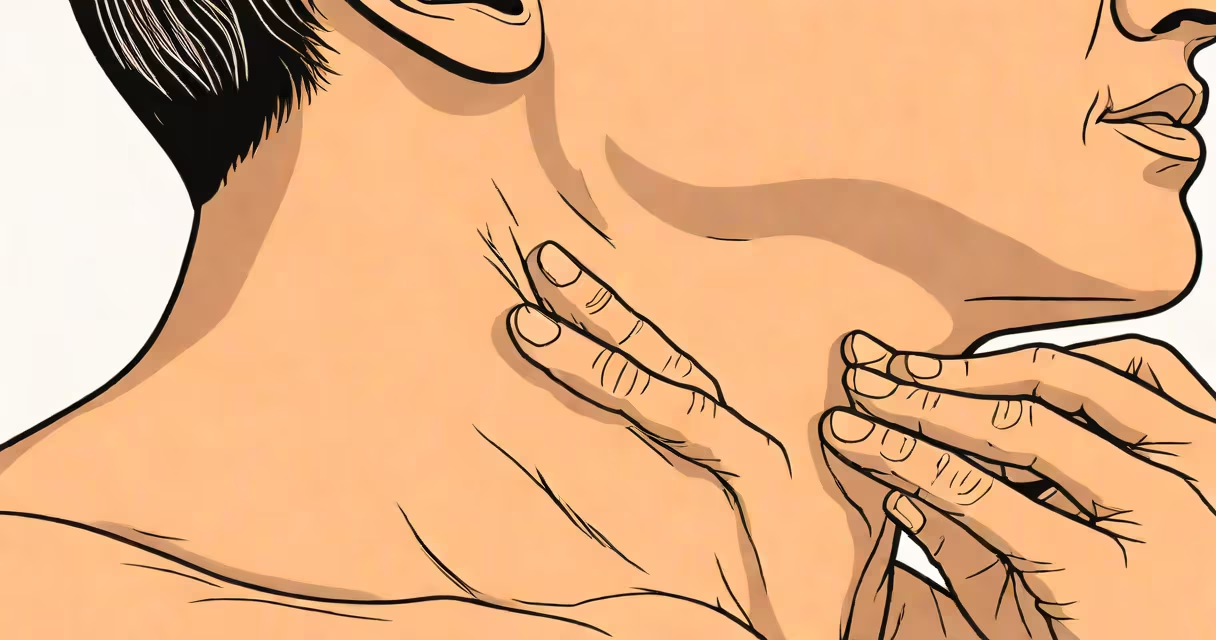
Neck hurts when I breathe deep describes sharp or aching pain in the neck region that worsens during deep inhalation. This symptom often stems from strained muscles, inflamed ribs, or lung-related conditions, not necessarily a neck injury.
Deep breathing activates the diaphragm and intercostal muscles between the ribs. When these structures are irritated or under stress, pain can radiate to the neck. The sensation typically appears during inhalation and eases at rest. It's not a single condition but a sign pointing to several underlying issues.
Common triggers include muscle strain from poor posture, recent physical exertion, or inflammation in the chest wall. Less frequently, it signals lung or heart problems. Recognizing the context-timing, location, and accompanying symptoms-is essential to determine whether medical evaluation is needed.
During deep breaths, the diaphragm contracts downward, expanding the chest cavity. This movement stretches surrounding tissues, including muscles, ligaments, and nerves in the neck and upper torso. If any of these are inflamed or injured, stretching them intensifies pain.
The phrenic nerve runs from the neck down through the diaphragm. Irritation along this path-due to muscle tension or cervical spine misalignment-can cause referred pain in the neck during breathing. A 2021 study in *The Journal of Orthopaedic & Sports Physical Therapy* found that 68% of patients reporting neck pain with breathing had cervical spine dysfunction contributing to their symptoms.
For example, someone who sits hunched over a desk for hours daily may develop tightness in the levator scapulae and sternocleidomastoid muscles. These muscles attach near the base of the skull and connect to the upper ribs. When they're tense, deep breaths pull on them, triggering neck discomfort.
Neck hurts when I breathe deep can originate from four primary sources: musculoskeletal strain, inflammatory rib conditions, pulmonary issues, or referred pain from internal organs.
| Type | Key Features | Prevalence | Source |
|---|---|---|---|
| Muscle strain | Pain worsens with neck movement or prolonged sitting; localized tenderness | ~55% of cases | National Institute of Neurological Disorders and Stroke (NINDS) |
| Costochondritis | Sharp pain at rib-sternum junction; worsens with deep breaths or pressing on the area | ~18% | American College of Rheumatology guidelines |
| Pleurisy | Sharp, stabbing pain on one side; worsens with breathing; may have fever or cough | ~12% | Mayo Clinic, 2023 |
| Referred pain (e.g., heart, gallbladder) | Pain may feel diffuse; often accompanied by nausea, sweating, or dizziness | <10% | UpToDate clinical database |
Costochondritis- inflammation of the cartilage connecting the ribs to the breastbone-is a frequent culprit. It affects about 1 in 200 adults annually and often follows minor trauma or viral illness. Pain typically flares when lying flat or lifting heavy objects.
Pleurisy, inflammation of the lining around the lungs, causes sharp pain on one side. It occurs in 1-2% of pneumonia cases and can follow viral infections. A 2022 study in *Respiratory Medicine* showed that 73% of pleurisy patients reported pain worsening specifically during inspiration.
Neck pain during breathing is rarely due to a spinal fracture or disc herniation unless there's a history of trauma. Most cases involve soft tissue or inflammatory processes.
People report neck hurts when I breathe deep after prolonged computer use, sudden movements like reaching overhead, or after intense workouts. A 34-year-old office worker described waking with neck pain that intensified when taking deep breaths during yoga. Imaging revealed no structural damage, but physical therapy identified tightness in the scalene muscles and poor neck alignment.
Another case involved a 28-year-old runner who developed pain after a long-distance race. The pain was localized to the left side of the neck and worsened with deep breaths. Blood tests showed elevated CRP levels, indicating inflammation. Diagnosis: costochondritis triggered by repetitive motion and dehydration.
These examples show that the symptom is not diagnostic on its own. It's a signal. A 2020 review in *The BMJ* emphasized that 80% of patients with neck pain during breathing had no serious pathology-only musculoskeletal or mild inflammatory causes.
Many assume neck hurts when I breathe deep means a broken bone or lung collapse. That's rare. The most common error is attributing the pain solely to the neck itself, ignoring the role of the chest wall and diaphragm.
Some confuse it with anxiety-related hyperventilation. While panic attacks can cause chest tightness and shallow breathing, they don't typically produce pain that correlates precisely with deep inhalation. Anxiety-related pain tends to be dull, widespread, and improves with relaxation techniques-not deep breaths.
A critical correction: neck pain during breathing is not a reliable indicator of heart disease. While cardiac pain can radiate to the neck, it usually presents with pressure, heaviness, or squeezing sensations, not sharp, breath-dependent pain. The American Heart Association notes that only 15% of heart attack patients describe neck pain as a primary symptom.
Another misconception is that resting completely resolves the issue. In reality, gentle movement often reduces stiffness. A 2021 trial published in *Physical Therapy* found that patients with neck pain during breathing improved faster with low-impact exercise than with complete rest.
Seek immediate medical attention if neck hurts when I breathe deep is accompanied by chest pressure, sudden shortness of breath, dizziness, or cold sweats. These may indicate a pulmonary embolism or heart event.
Also consult a provider if pain persists beyond 7 days, spreads to the arm or jaw, or wakes you at night. A doctor may order imaging or blood work to rule out infection, tumor, or autoimmune conditions.
Most episodes resolve within days with rest, heat, and posture correction. But persistent or worsening pain requires evaluation. Early identification prevents unnecessary scans and guides effective treatment.