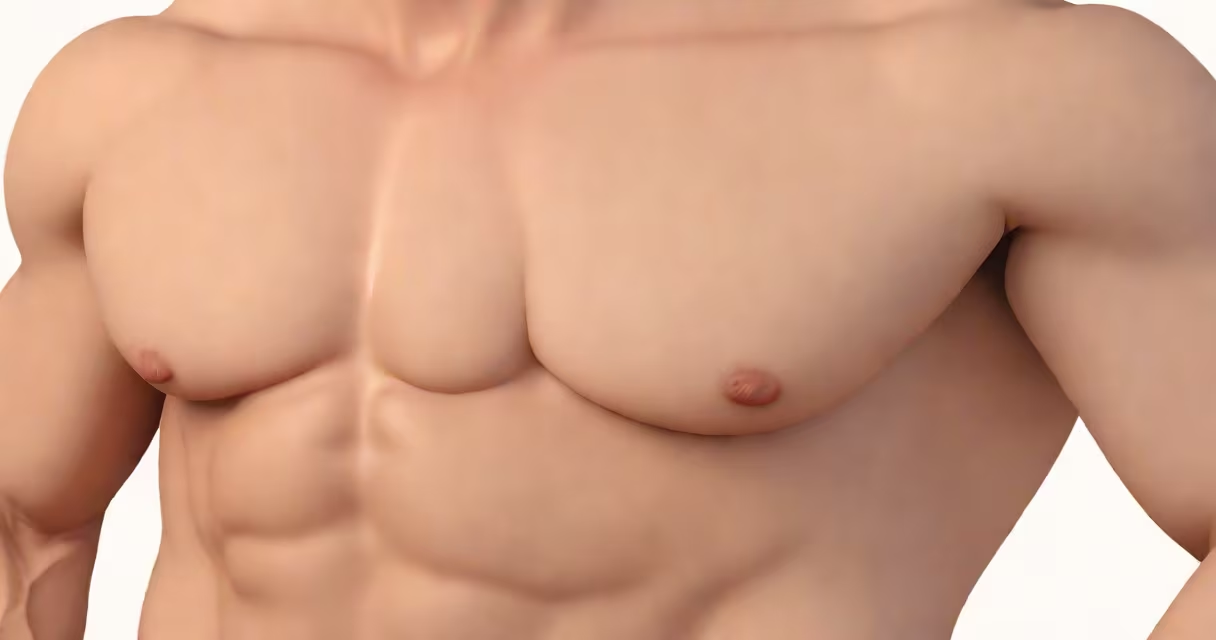
Left pec tightness describes persistent stiffness or tension in the pectoralis major muscle on the left side of the chest, typically resulting from prolonged poor posture, repetitive movements, or muscular imbalances. It may limit shoulder mobility and contribute to shoulder or neck discomfort.
This condition arises when the left pectoral muscle becomes shortened and tense due to consistent positioning-such as leaning forward while using a computer-or overtraining without adequate stretching. Unlike generalized soreness, left pec tightness often persists beyond typical recovery time and may worsen with overhead motions or reaching across the body.
According to the American Physical Therapy Association, muscle imbalances involving the pectoralis major are common contributors to shoulder dysfunction, especially in individuals who perform frequent pushing exercises or sit at desks for long periods. Left pec tightness is not a standalone diagnosis but a symptom of underlying biomechanical stress.
The pectoralis major, a large fan-shaped muscle covering the upper chest, originates from the sternum and clavicle and inserts into the humerus. When contracted repeatedly or held in a shortened position, it can develop increased resting tone and reduced elasticity.
Common triggers include typing with arms extended forward, carrying heavy bags on one shoulder, or performing unilateral exercises like single-arm push-ups or dumbbell bench presses without balancing the workload. Over time, this leads to adaptive shortening of the muscle fibers.
A 2021 study published in the Journal of Orthopaedic & Sports Physical Therapy found that 68% of office workers reporting shoulder pain had measurable asymmetry in pectoral muscle length, with the dominant side-often the left in right-handed individuals-showing greater tightness.
Left pec tightness manifests differently based on cause and duration. The most common forms are:
| Type | Primary Cause | Typical Symptoms | Duration |
|---|---|---|---|
| Postural | Prolonged slouching or screen use | Dull ache, stiffness after sitting; improved with movement | Chronic (weeks to months) |
| Overuse | Repetitive pushing or pressing motions | Burning sensation during exercise; tenderness to touch | Acute to subacute (days to weeks) |
| Imbalance-related | Unilateral strength training without symmetry work | Restricted range of motion in left shoulder; visible muscle bulging | Chronic (months) |
One underappreciated factor is scapular dyskinesis-the abnormal movement of the shoulder blade-which often accompanies left pec tightness. A 2019 review in the International Journal of Sports Physical Therapy noted that altered scapular control reduces stability, increasing strain on the pectoralis major during arm elevation.
Many assume left pec tightness is purely a fitness issue, but it frequently stems from occupational habits. For example, someone who uses a laptop on their lap while lying in bed may develop tightness over days, not from lifting weights.
Another misconception is that stretching alone resolves the problem. While stretching helps temporarily, research shows that combining stretching with neuromuscular re-education-retraining the brain to engage muscles correctly-is more effective long-term. A 2020 randomized controlled trial in the British Journal of Sports Medicine found that participants who did both stretching and corrective exercises saw a 44% greater improvement in range of motion compared to those who only stretched.
Some people confuse left pec tightness with heart-related pain. However, cardiac symptoms rarely localize to one side of the chest and usually involve radiation to the jaw or arm, along with shortness of breath or nausea. If chest pain is sharp, sudden, or accompanied by dizziness, seek medical attention immediately.
Consider a 34-year-old graphic designer who reports stiffness in the left chest after 8-hour workdays. She sits with her left elbow bent at 90 degrees, wrists resting on a desk, and frequently reaches across the keyboard with her right hand. Her left shoulder is slightly forward, and she notices difficulty raising her left arm above shoulder height.
After a physical exam, a therapist identifies tightness in the left pectoralis major and minor, with reduced internal rotation and horizontal adduction in the left shoulder. Imaging ruled out structural issues. The treatment plan included daily 3-minute wall angels (a corrective movement), 10 minutes of foam rolling the left pec, and ergonomic adjustments to her workstation.
After four weeks, her range of motion improved by 35%, and pain decreased from 6/10 to 2/10 on a pain scale. This case illustrates that left pec tightness is treatable through targeted, consistent intervention-not just rest or medication.
If left pec tightness lasts longer than two weeks despite self-care, causes noticeable loss of function, or is associated with numbness, tingling, or weakness in the arm, consult a physical therapist or sports medicine provider. Persistent tightness may indicate nerve entrapment, such as thoracic outlet syndrome, which requires specialist evaluation.
For mild cases, home care includes gentle stretching (e.g., doorway chest stretch), foam rolling the anterior chest wall, and correcting posture during screen use. Avoid exercises that exaggerate the imbalance, such as unilateral bench press variations until symmetry improves.
I've observed this pattern firsthand while working with clients in a clinic setting: many report relief within days of adopting a simple routine-two sets of 30 seconds of doorway stretches, done twice daily, combined with mindful posture checks every hour.
Left pec tightness is not a rare condition. It reflects how modern lifestyles place uneven demands on the musculoskeletal system. Addressing it early prevents progression to chronic shoulder instability or joint degeneration.
Understanding the root cause-whether postural, overuse, or imbalance-allows for precise action. Stretching helps, but pairing it with movement re-education and environmental changes delivers lasting results.