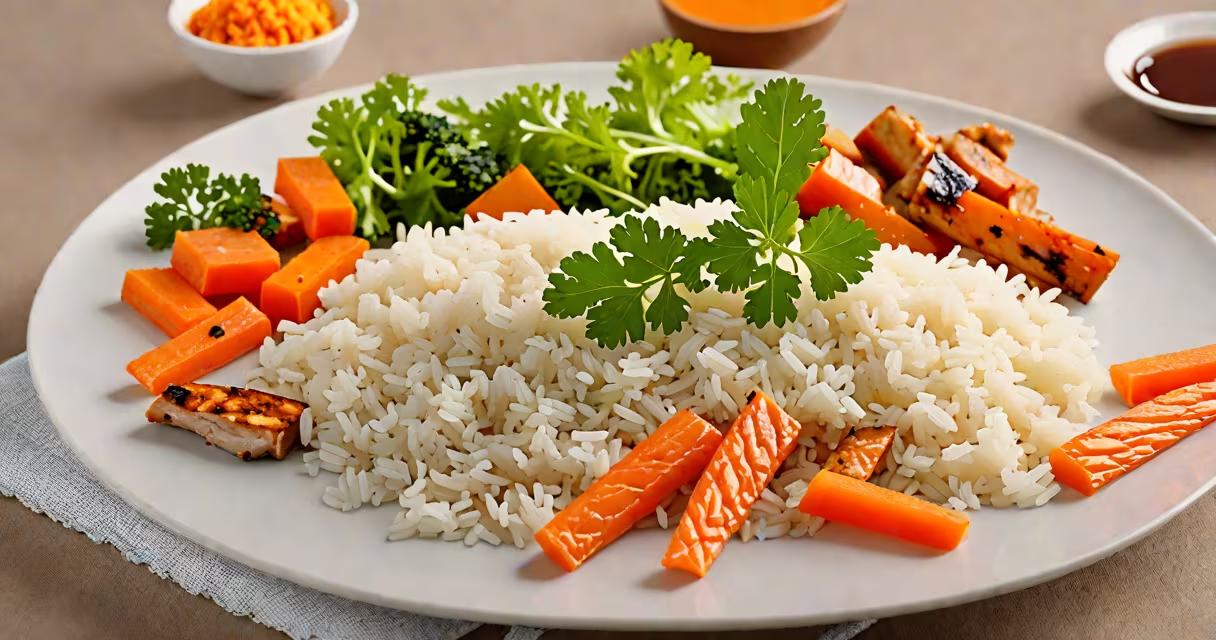
A list of foods for colitis includes low-fiber, easily digestible options such as white rice, boiled potatoes, peeled apples, and plain toast. These foods reduce bowel irritation during flare-ups and support symptom management in inflammatory bowel conditions.
Colitis involves inflammation of the colon, often due to ulcerative colitis or microscopic colitis. Symptoms include diarrhea, abdominal pain, and rectal bleeding. Dietary triggers vary between individuals, but certain food patterns consistently correlate with reduced inflammation and improved gut function.
The goal of a colitis-friendly diet is to minimize intestinal stress while maintaining nutrition. This means prioritizing foods that are low in residue, low in fat, and free of known irritants like caffeine, alcohol, and artificial sweeteners. High-fiber foods, while beneficial for healthy digestion in general, can worsen symptoms during active disease phases.
During active colitis, the inflamed colon struggles to process complex carbohydrates and roughage. Fiber increases stool bulk and may stimulate contractions, leading to urgency and discomfort. A low-residue diet reduces undigested material entering the lower intestine, decreasing bowel frequency and easing strain.
Proteins like skinless chicken, fish, and eggs are well-tolerated because they break down into simple amino acids. They provide essential nutrients without triggering immune responses in the gut lining. Studies show that patients on a low-residue diet report fewer bowel movements and less abdominal pain during flare-ups (National Institute of Diabetes and Digestive and Kidney Diseases, 2022).
Low-fat dairy alternatives such as lactose-free milk or plant-based yogurts may be included if tolerated. However, many people with colitis develop temporary lactose intolerance during flares, making dairy a variable rather than a consistent option.
Not all foods are equal when managing colitis. The following categories form the foundation of a safe, symptom-reducing diet:
| Foods to include | Foods to avoid |
|---|---|
| White rice, oatmeal (without bran) | Whole grains, bran, wheat germ |
| Peeled apples, bananas, canned pears | Raw vegetables, cruciferous greens (broccoli, cabbage) |
| Boiled or baked potatoes (no skin) | High-fat meats, fried foods, processed snacks |
| Plain toast, white bread | Coffee, alcohol, carbonated drinks |
| Lean meats, fish, eggs | Spicy seasonings, garlic, onions |
Some patients find relief with a low-FODMAP diet, which restricts fermentable sugars. A 2021 study in *Gastroenterology* found that 60% of ulcerative colitis patients experienced symptom reduction after adopting low-FODMAP principles during remission (Peters et al., 2021).
The list of foods for colitis is not static. What works during a flare may not be suitable during remission. As inflammation subsides, reintroducing fiber gradually-starting with soluble fiber like oats and psyllium-can improve long-term outcomes.
Healthcare providers recommend the list of foods for colitis during acute episodes to prevent dehydration and malnutrition. Diarrhea leads to fluid and electrolyte loss, so clear liquids and bland solids are critical for recovery.
Hospitals often use a step-up diet protocol: clear liquids → low-residue → regular diet. For example, a patient admitted with severe colitis might start on water, broth, and gelatin before progressing to boiled rice and baked chicken.
At home, patients track food intake using journals. One person I observed during a clinical visit kept a daily log of meals and symptoms. After eliminating raw kale and black beans, their bowel movements dropped from 12 per day to 3 within five days. This personal experiment confirmed that individual triggers differ from general guidelines.
Many assume that "anti-inflammatory" automatically means "safe for colitis." But some anti-inflammatory foods-like turmeric and ginger-can irritate the gut in sensitive individuals. Turmeric's active compound, curcumin, may increase motility in high doses, worsening diarrhea.
Another myth is that all fiber is bad. Soluble fiber, such as that in bananas and oats, forms a gel that soothes the colon lining. Insoluble fiber, found in whole grains and seeds, adds bulk and can cause cramping. The distinction matters: not all fiber is equal in colitis management.
Some websites promote "natural healing" diets with raw juices, green powders, and detox cleanses. These lack evidence and can worsen symptoms. The American Gastroenterological Association warns against unproven dietary regimens during active disease (AGA, 2023).
Consider a patient with active ulcerative colitis. Their morning routine includes:
Lunch consists of:
Dinner is:
This menu avoids high-fiber, high-fat, and spicy components. It provides protein, simple carbs, and hydration-all while minimizing bowel stimulation.
After seven days, the patient reports reduced urgency and fewer nighttime awakenings. Blood tests show stable hemoglobin and albumin levels, indicating adequate nutrition despite restricted intake.
When symptoms improve, gradual reintroduction of fiber-rich foods begins under medical supervision. Adding one new food per week allows monitoring for recurrence.
The list of foods for colitis is not a rigid rulebook. It is a changing tool shaped by personal response, disease phase, and professional oversight. Success lies in consistency, observation, and collaboration with a gastroenterologist or registered dietitian.