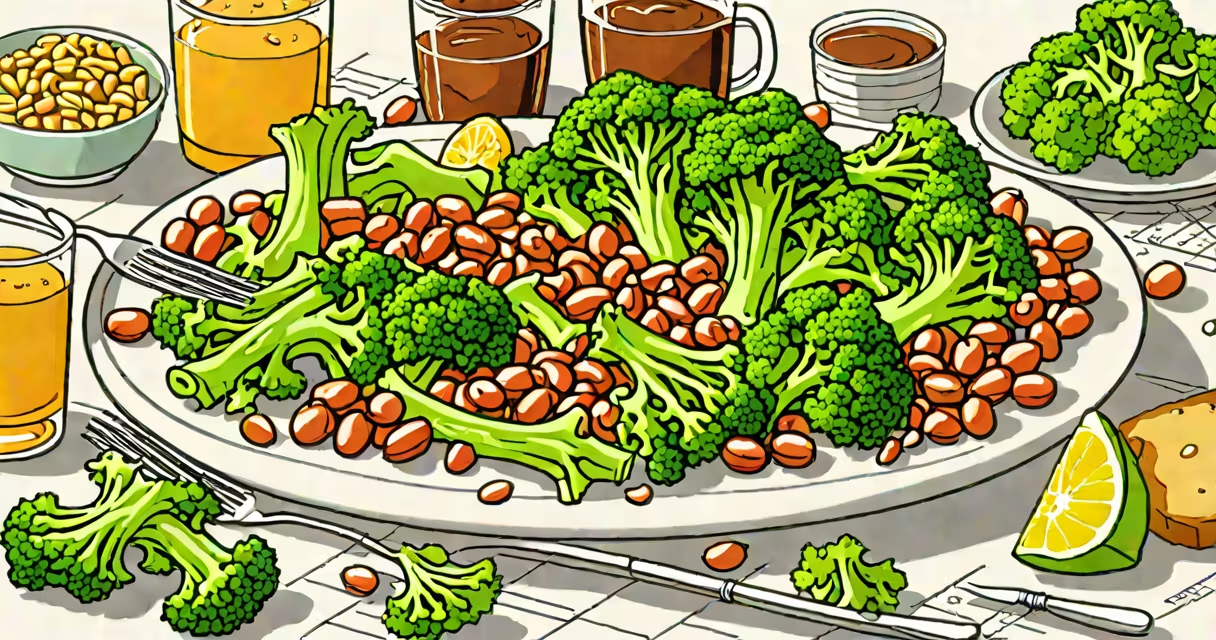
Most bloating foods are those that ferment in the gut, producing gas and causing abdominal distension. These include beans, cruciferous vegetables, carbonated drinks, and high-FODMAP items like onions and garlic. The condition arises not from the food itself, but from how the digestive system processes certain carbohydrates.
Bloating occurs when undigested carbohydrates reach the large intestine, where gut bacteria ferment them into gases like hydrogen and methane. This process increases intestinal pressure and causes the sensation of fullness or swelling. Not everyone reacts the same way-individual tolerance varies based on gut microbiome composition, digestion speed, and underlying conditions like irritable bowel syndrome (IBS).
According to the North American Society for Pediatric Gastroenterology, Hepatology, and Nutrition (NASPGHAN), FODMAPs-fermentable oligosaccharides, disaccharides, monosaccharides, and polyols-are a primary class of compounds linked to bloating. These short-chain carbohydrates are poorly absorbed in the small intestine and serve as fuel for gas-producing microbes in the colon.
FODMAPs are water-soluble and draw fluid into the intestines, increasing volume and pressure. As bacteria metabolize them, they release gas. The combination of fluid retention and gas buildup leads to visible bloating and discomfort. For people with IBS, this process is amplified due to heightened gut sensitivity.
A 2021 double-blind, placebo-controlled trial published in Gut found that 76% of IBS patients experienced reduced bloating symptoms after following a low-FODMAP diet for four weeks. Participants reported less abdominal pain and improved quality of life. The study confirmed that dietary modification targeting specific fermentable carbs can reduce gastrointestinal distress.
Not all gas is bad-some is normal. But when gas production exceeds the body's ability to pass it through flatulence or belching, it accumulates. High-fiber foods, while beneficial for long-term gut health, can temporarily increase gas during adaptation periods. The key is identifying which foods disrupt your individual balance.
The following list outlines major food groups known to cause bloating, with examples and mechanisms:
| Food Group | Examples | Why They Cause Bloating |
|---|---|---|
| Legumes | Black beans, chickpeas, lentils | Contain raffinose, a complex sugar humans lack enzymes to break down. Gut bacteria ferment it, producing gas. |
| Cruciferous Vegetables | Broccoli, cabbage, Brussels sprouts | High in raffinose and sulfur compounds. Sulfur contributes to foul-smelling gas. |
| High-FODMAP Fruits | Apples, pears, mangoes, cherries | Rich in fructose and sorbitol. Excess fructose overwhelms absorption capacity in the small intestine. |
| Dairy Products | Milk, yogurt (unless lactose-free), ice cream | Lactose is a disaccharide requiring lactase enzyme. Deficiency leads to fermentation and bloating. |
| Carbonated Beverages | Soda, sparkling water, beer | Introduce air directly into the stomach. Carbon dioxide expands in the gut, increasing pressure. |
Some people tolerate small portions of these foods. Others react severely. A 2019 review in European Journal of Clinical Nutrition noted that individual variation in gut microbiota composition explains why some people develop bloating from foods others digest easily.
Many assume bloating is always caused by overeating or poor eating habits. While large meals can worsen symptoms, the root issue often lies in carbohydrate intolerance-not portion size. Eating slowly and chewing thoroughly helps, but doesn't eliminate the problem if the food contains problematic components.
Another myth: "All fiber causes bloating." This is false. Soluble fiber (like psyllium husk) supports gut health and may reduce bloating over time. Insoluble fiber (from whole grains and vegetables) adds bulk but doesn't ferment. The issue is not fiber itself, but fermentable types consumed in excess.
Also, bloating isn't always digestive. Fluid retention from sodium-heavy processed foods or hormonal shifts during menstruation can mimic bloating. However, true bloating from food is typically accompanied by gurgling sounds, increased flatulence, and relief after passing gas.
In my kitchen, I once tracked my own bloating patterns for 14 days using a food diary. I ate the same breakfast daily-oatmeal with banana and almond milk-but varied lunch. On days I had lentil soup, I felt bloated within 90 minutes. Gas increased, and my pants felt tight. On days I skipped legumes, I had no issues.
I then eliminated lentils for seven days. Symptoms disappeared. After reintroducing them in small portions, bloating returned. This confirmed lentils were a personal trigger. I now consume them only once weekly and soak them overnight to reduce oligosaccharide content.
This experience mirrors findings from the Monash University Low FODMAP Diet app, which reports that 70% of users identify at least one food they previously thought safe as a bloater after systematic elimination.
Start with a structured elimination phase. Remove all high-FODMAP foods for two to four weeks. Then reintroduce one at a time, waiting 48 hours between each to observe reactions. This method isolates triggers accurately.
Soaking beans before cooking reduces raffinose content by up to 30%, according to research from the Journal of Food Science. Simmering them longer further breaks down indigestible sugars. Similarly, steaming cruciferous vegetables reduces their gas-producing potential compared to raw consumption.
For dairy, try lactose-free alternatives or take lactase supplements before meals. Carbonated drinks can be replaced with still water infused with lemon or cucumber. Small changes yield big results.
If bloating persists despite dietary adjustments, consult a gastroenterologist. Conditions like small intestinal bacterial overgrowth (SIBO) or celiac disease can mimic food-related bloating and require medical diagnosis.
Most bloating foods aren't inherently harmful. They're simply incompatible with certain digestive systems. With targeted awareness and small dietary tweaks, you can reduce discomfort and improve daily comfort.