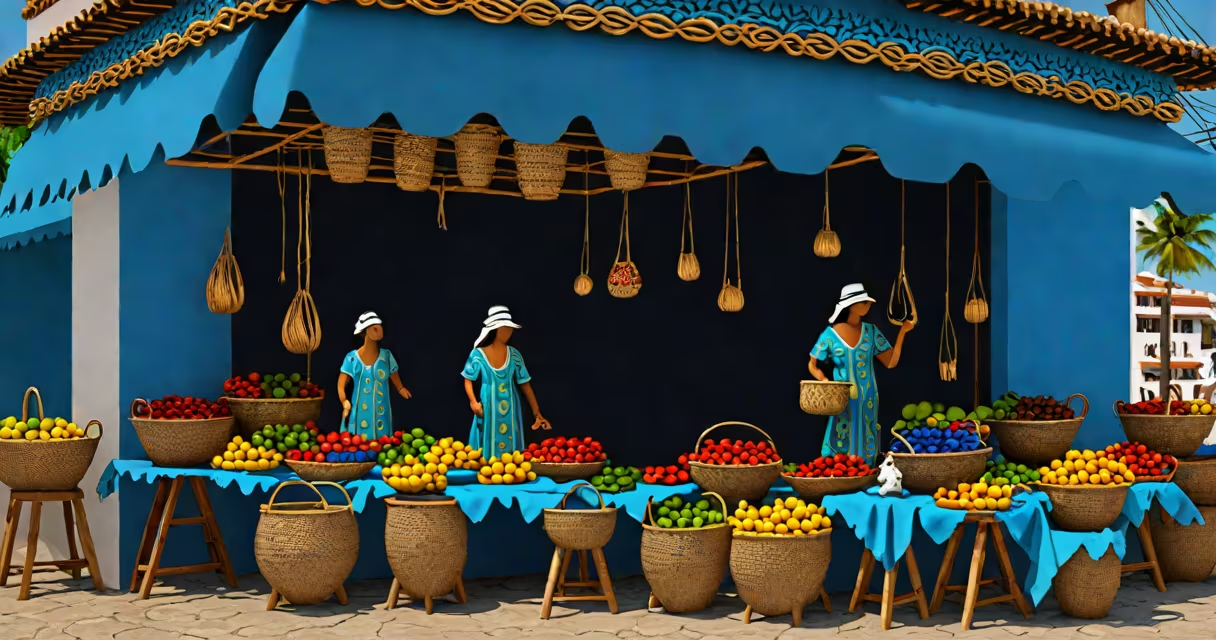
Mano a mano Puerto Vallarta describes in-person shopping at local markets and artisan stands where buyers interact directly with makers, purchasing handmade goods such as woven baskets, ceramic tiles, and embroidered textiles. This practice emphasizes personal connection, authenticity, and cultural exchange.
The term "mano a mano" translates literally to "hand to hand," reflecting the physical act of exchanging goods and money in person. In Puerto Vallarta, this occurs most frequently at open-air markets like Mercado Municipal de Puerto Vallarta and smaller neighborhood stalls along Callejón del Gato. These venues host local artisans who create items using traditional techniques passed down through generations.
Unlike chain stores or tourist-heavy plazas, mano a mano transactions happen without intermediaries. Buyers see the craftsperson's hands shaping clay, weaving thread, or carving wood. They can ask about materials, production time, and cultural significance. This transparency builds trust and ensures authenticity-critical when purchasing souvenirs or gifts.
Visitors arrive at a market stall, often drawn by color, scent, or sound-metal tools clinking, children laughing near a popcorn stand. A vendor displays goods on a wooden table or cloth-covered bench. Items include hand-painted tiles, leather wallets, silver jewelry, and woven hammocks. The buyer picks up an item, examines its texture, and asks about origin or care instructions.
Price negotiation is common. Vendors may start high, expecting a discount. A fair offer reflects local pricing norms and respect for craftsmanship. For example, a small hand-embroidered tote priced at 350 MXN (about $18 USD) might settle at 300 MXN after brief discussion. The transaction completes with cash or card, sometimes including a small gift like a sample of local coffee.
One vendor in the Zona Romántica sells repurposed bottle glass mosaics. She uses broken wine bottles from nearby restaurants, cutting them into shapes and arranging them into wall art. Each piece takes six hours to complete. Her price: 600 MXN ($30 USD). She explains the process while placing the finished work in a canvas bag. The buyer leaves with a unique item and a story.
Mano a mano Puerto Vallarta centers on locally produced crafts. Materials vary by region and tradition:
Key locations include:
| Location | Specialty | Best Time to Visit |
|---|---|---|
| Mercado Municipal | Fresh produce, spices, handmade soap | Weekdays, 8 AM - 2 PM |
| Callejón del Gato | Handwoven baskets, embroidered blouses | Weekends, 10 AM - 6 PM |
| Plaza de Armas | Artisan stalls, live music | Sundays, 9 AM - 5 PM |
These spots are not tourist traps. Many vendors have operated for decades. Some are members of cooperatives like Asociación de Artesanos de Jalisco, which certifies fair labor practices and material sourcing.
Mano a mano is often mistaken for "bargaining" or "haggling." While price negotiation happens, the core value lies in human interaction-not just getting a lower price. A visitor might walk away from a stall not because they didn't get a deal, but because the artisan couldn't speak English or showed no interest in conversation.
Another misconception: all handmade items sold mano a mano are "authentic." Not true. Some vendors import goods from Oaxaca or Guadalajara and label them as local. To verify authenticity, look for signs of wear, uneven stitching, or regional symbols. A textile with a Zapotec pattern from Oaxaca won't match the style of Puerto Vallarta's coastal designs.
A non-obvious fact: many artisans in Puerto Vallarta do not sell online. Their work remains available only in person. This limits access but preserves cultural integrity. An artisan named Rosa Mendoza, who makes clay birds from the Sierra Madre foothills, says she refuses to ship her pieces. "They break in transit. You need to hold them to feel their weight."
Mano a mano supports local economies and preserves cultural heritage. According to the Mexican Ministry of Culture, 68% of artisan communities in Jalisco rely on direct sales for income. When visitors buy directly, they fund training, materials, and family livelihoods.
I've spent mornings at Mercado Municipal watching artisans demonstrate skills. One man shaped a clay bowl on a slow wheel, his fingers moving with precision. He offered me a sample of the clay to touch. "Feel the grit," he said. "That's where the earth lives." I bought a plate and later used it to serve ceviche at home. The memory of the exchange stayed longer than the food.