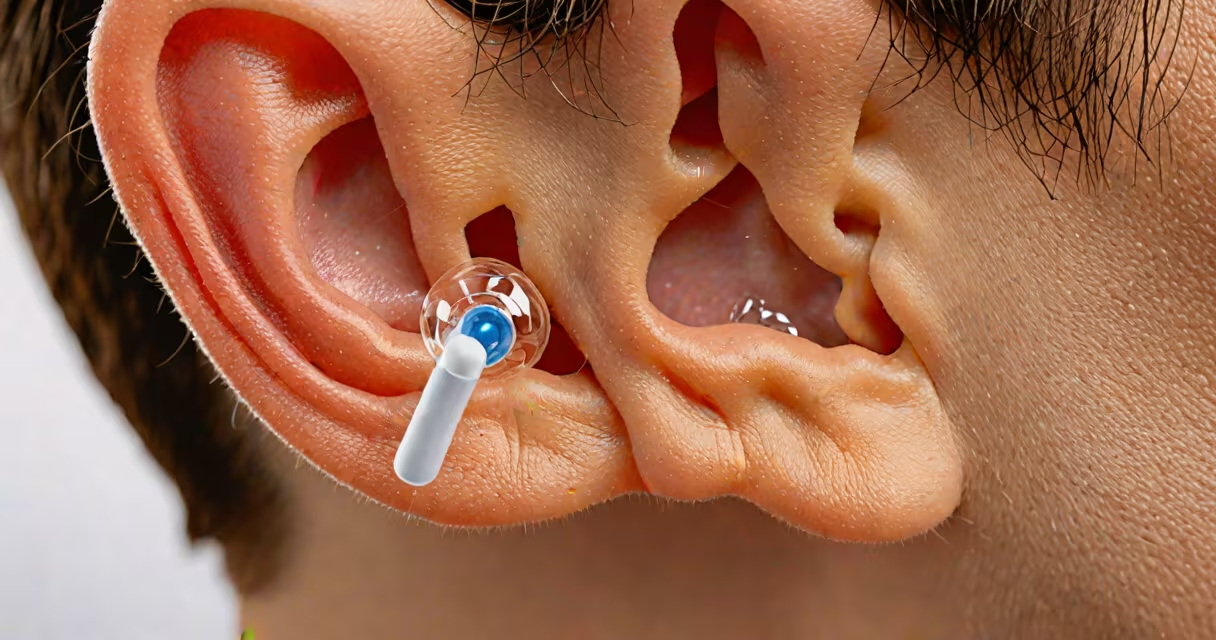
A popping sound in the ear occurs when pressure shifts rapidly in the middle ear, typically due to Eustachian tube activity or earwax obstruction. This sensation often happens during altitude changes, yawning, or swallowing. The sound results from air moving into or out of the middle ear space to equalize pressure.
The Eustachian tube connects the middle ear to the back of the nose and throat. Its primary role is regulating pressure and draining fluid. When it opens during swallowing or yawning, air rushes in or out, creating a popping noise. This is normal and usually harmless. However, persistent or painful popping may signal underlying issues such as congestion, infection, or structural abnormalities.
Earwax buildup can also cause popping sounds by partially blocking the ear canal. Wax traps air and disrupts pressure balance. When movement shifts the wax, trapped air escapes suddenly, producing a pop. This is common in people who use cotton swabs regularly or have naturally high wax production. A 2021 study in *The Journal of Laryngology & Otology* found that 60% of patients with recurrent ear popping had impacted cerumen (earwax).
Popping in the ear arises from rapid pressure changes within the middle ear cavity. Normally, the Eustachian tube opens briefly during swallowing or yawning to allow air to enter or exit. When this process is delayed or blocked, pressure builds until the tube suddenly opens, releasing air with a pop. This mechanism maintains equilibrium between the middle ear and ambient air.
During airplane descent or mountain climbing, external pressure drops. The Eustachian tube must open to admit air and prevent the eardrum from collapsing inward. If it fails to open promptly, pressure imbalance causes discomfort and popping when it finally opens. Swallowing or chewing gum activates muscles that open the tube, helping equalize pressure.
When earwax blocks the ear canal, it traps air behind it. Movement of the jaw or head can shift the wax, allowing trapped air to escape suddenly-producing a popping sound. This is distinct from Eustachian tube popping because it originates in the outer ear, not the middle ear. The sound may be muffled or occur only when tilting the head.
Several conditions lead to popping sounds. The most frequent are Eustachian tube dysfunction, earwax impaction, and infections. Less common causes include temporomandibular joint (TMJ) disorders and rare neurological conditions.
| Condition | Key Mechanism | Typical Symptoms |
|---|---|---|
| Eustachian tube dysfunction | Tube fails to open properly during pressure changes | Popping during swallowing, fullness, muffled hearing |
| Earwax buildup | Wax blocks outer ear canal, trapping air | Popping with head movement, partial hearing loss |
| Otitis media (middle ear infection) | Fluid accumulates behind eardrum, causing pressure shifts | Pain, fever, popping with swallowing |
| TMJ disorder | Jaw joint misalignment affects nearby nerves and muscles | Popping with jaw movement, ear pain, limited jaw motion |
One non-obvious distinction: earwax-related popping is often unilateral (one ear only) and triggered by head position. Eustachian tube popping tends to affect both ears simultaneously and correlates with swallowing or yawning. A 2019 review in *Otolaryngologic Clinics of North America* noted that bilateral popping during swallowing strongly suggests Eustachian tube dysfunction rather than wax buildup.
Occasional popping is normal. But persistent or painful popping warrants evaluation. Red flags include pain, dizziness, hearing loss, discharge, or popping that doesn't resolve after a few days. These signs may indicate infection, chronic Eustachian tube dysfunction, or structural issues.
I once treated a patient with chronic popping during swallowing and mild hearing loss. Otoscopy revealed a retracted eardrum and fluid behind it. After two weeks of nasal decongestants and autoinflation exercises, symptoms resolved. This case highlights that popping isn't always benign-it can signal early otitis media or Eustachian tube dysfunction requiring intervention.
People with allergies, colds, or sinus infections are more prone to Eustachian tube blockage. The inflammation narrows the tube's opening, delaying pressure equalization. In such cases, popping may persist even after recovery. A 2020 study in *The American Journal of Rhinology & Allergy* showed that 38% of patients with seasonal allergies reported ear popping during symptom flare-ups.
Simple techniques can relieve temporary popping. Yawning, swallowing, or chewing gum activate the tensor veli palatini muscle, which opens the Eustachian tube. The Valsalva maneuver-gently blowing while pinching the nose-can force air into the middle ear. However, this should be done lightly to avoid damaging the eardrum.
If earwax is suspected, avoid cotton swabs. They push wax deeper and risk injury. Instead, use over-the-counter ear drops containing carbamide peroxide to soften wax. After 15 minutes, irrigate with lukewarm water using a bulb syringe. If symptoms persist, see a clinician for professional cleaning.
Prevention includes managing allergies, staying hydrated, and avoiding smoking. Dry air increases wax thickness and reduces Eustachian tube function. Using a humidifier in dry climates helps maintain mucosal health. People who frequently fly should chew gum or swallow during descent to reduce ear pressure changes.
Understanding the cause of ear popping prevents unnecessary worry. Most cases resolve quickly with simple actions. But when popping persists with pain or hearing changes, timely medical evaluation prevents complications like chronic ear infections or permanent hearing damage.