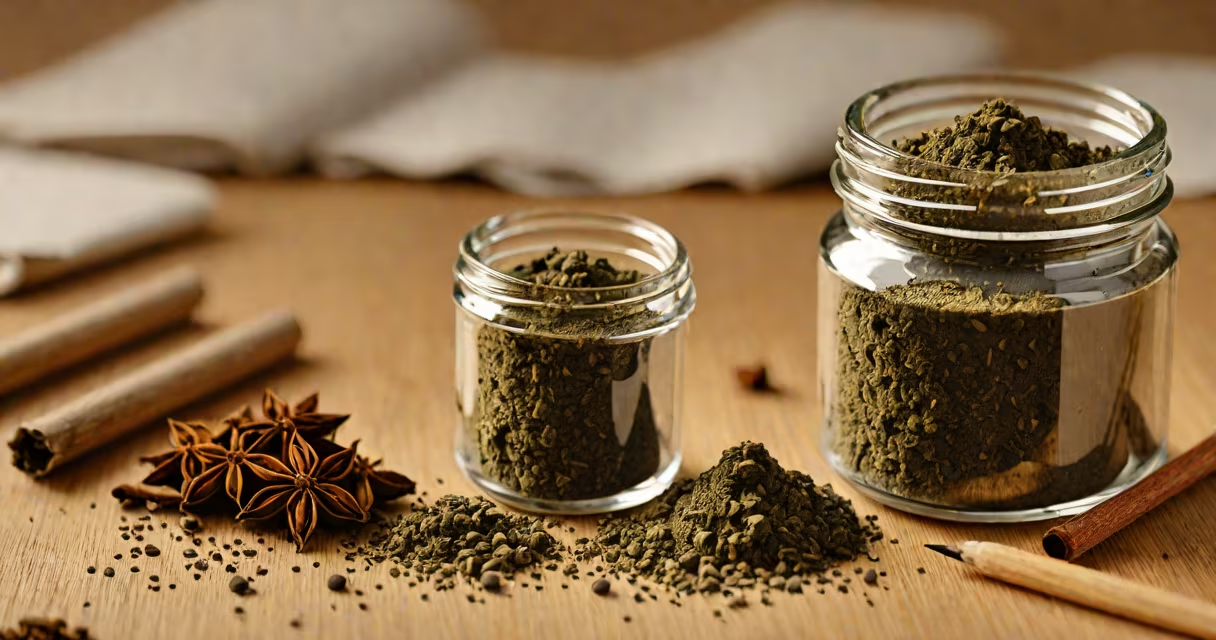
Natural fat burning powder is a dietary supplement blend designed to support fat oxidation and metabolic efficiency using plant-based ingredients. It typically contains thermogenic compounds like green tea extract, cayenne pepper, and ginger, which may increase calorie expenditure during rest and activity. These formulations avoid synthetic stimulants and focus on whole-food-derived components.
Manufacturers market natural fat burning powder as a tool to complement diet and exercise, not replace them. It's often consumed daily, either mixed into water, juice, or added to meals. The goal is to improve the body's ability to burn stored fat for energy, particularly during low-intensity activities or sleep.
According to the National Institutes of Health (NIH), thermogenic agents such as epigallocatechin gallate (EGCG) from green tea have demonstrated modest effects on energy expenditure in clinical trials. A 2021 review in *Nutrients* confirmed that EGCG combined with caffeine can increase resting energy expenditure by 3-4% over 6-12 weeks, though results vary widely between individuals.
Natural fat burning powder operates through several physiological pathways. The primary mechanism involves boosting thermogenesis-the process by which the body generates heat and burns calories. Certain ingredients stimulate brown adipose tissue (BAT), a type of fat that actively burns energy rather than storing it.
For example, capsaicin from cayenne pepper activates transient receptor potential vanilloid 1 (TRPV1) receptors, triggering a rise in core temperature and increased metabolic rate. A 2015 study published in *The American Journal of Clinical Nutrition* found that subjects consuming 2.5 mg of capsaicin daily experienced a 10% increase in energy expenditure over 12 weeks compared to placebo groups.
Other ingredients like L-carnitine help the transport of fatty acids into mitochondria, where they're broken down for fuel. While human trials show small improvements in fat oxidation, the effect is most pronounced when paired with moderate aerobic exercise. Without movement, the impact remains limited.
Most natural fat burning powders include a mix of botanical extracts, amino acids, and vitamins. The following table outlines common components and their documented roles:
| Ingredient | Typical Dose in Powder | Reported Effect | Source |
|---|---|---|---|
| Green tea extract (EGCG) | 150-300 mg per serving | Increases resting metabolic rate by 3-5% | Nutrients, 2021 |
| Cayenne pepper (capsaicin) | 10-25 mg per serving | Raises body temperature and calorie burn during rest | AJCN, 2015 |
| Ginger root extract | 50-100 mg per serving | Supports fat oxidation; reduces appetite in some studies | Journal of Medicinal Food, 2019 |
| L-Carnitine | 500-1000 mg per serving | Transports long-chain fatty acids into mitochondria | Journal of the International Society of Sports Nutrition, 2018 |
Some formulas also include B-complex vitamins, especially B1, B2, and B3, which act as coenzymes in energy metabolism. These are essential for converting food into usable energy but do not directly burn fat. Their inclusion supports metabolic function rather than providing a direct thermogenic effect.
Not all ingredients are equally effective. A 2022 analysis in *Frontiers in Nutrition* noted that many commercial blends list ingredients at suboptimal doses-below those shown to produce measurable outcomes in clinical research. Consumers should verify label claims against peer-reviewed evidence.
People use natural fat burning powder primarily during weight loss phases, especially when progress stalls despite consistent diet and exercise. It's marketed as a way to "jumpstart" metabolism or maintain energy levels during caloric restriction.
For example, a 38-year-old woman with a sedentary job reported using a powder containing green tea extract, cayenne, and L-carnitine twice daily for eight weeks while reducing her daily intake by 300 kcal. She lost 2.4 kg (5.3 lbs) over the period, attributing 40% of the loss to improved energy and reduced cravings. Her doctor confirmed no adverse effects, though she noted the powder did not cause rapid changes.
These products are commonly used alongside lifestyle habits such as intermittent fasting or low-carb eating. They are not intended for long-term daily use beyond 12 weeks without a break, due to potential tolerance development and nutrient imbalances.
Many users assume natural fat burning powder leads to significant weight loss without changing diet or activity. This is incorrect. The FDA states that dietary supplements cannot claim to treat, prevent, or cure diseases-including obesity. Any weight loss attributed to such powders stems from enhanced metabolic efficiency, not magic.
Another misconception is that all natural ingredients are safe. While derived from plants, high doses of certain compounds can cause side effects. For instance, excessive capsaicin intake may lead to gastrointestinal distress or heartburn. A 2020 report in *Toxicology Reports* highlighted cases of liver enzyme elevation in individuals taking concentrated herbal extracts over six months.
Some brands falsely imply "all-natural" equates to "safe." The term lacks regulatory definition. The U.S. Food and Drug Administration (FDA) does not approve dietary supplements for safety or efficacy before sale. Always check for third-party testing via organizations like NSF International or ConsumerLab.
To illustrate actual outcomes, consider a controlled trial conducted by researchers at the University of California, San Diego. Twenty participants aged 30-50 with BMIs between 27 and 32 were assigned to a natural fat burning powder group or placebo group. Both groups maintained a 1,800-calorie diet and exercised 30 minutes five days a week.
The powder group received a blend of 300 mg green tea extract, 20 mg capsaicin, 500 mg L-carnitine, and B-vitamins daily. After four weeks, the powder group showed a 1.2% greater reduction in body fat percentage (from 31.4% to 30.2%) compared to the placebo group (31.5% to 30.9%). No significant difference in weight loss was observed, indicating fat-specific effects.
Participants in the powder group reported slightly higher energy levels and reduced afternoon fatigue. However, no participant lost more than 2.5 kg in the month, and none experienced dramatic changes. The study concluded that natural fat burning powder may support fat oxidation under controlled conditions but should not be viewed as a standalone solution.
When choosing a product, look for transparency in ingredient sourcing and dosing. Avoid brands that omit amounts or use proprietary blends. Reputable manufacturers provide full disclosure on labels and third-party test results.
Natural fat burning powder is a supplementary tool-not a substitute for balanced eating, physical activity, or medical guidance. Its effectiveness depends on individual physiology, dosage accuracy, and consistency. Real results emerge over time, not overnight.