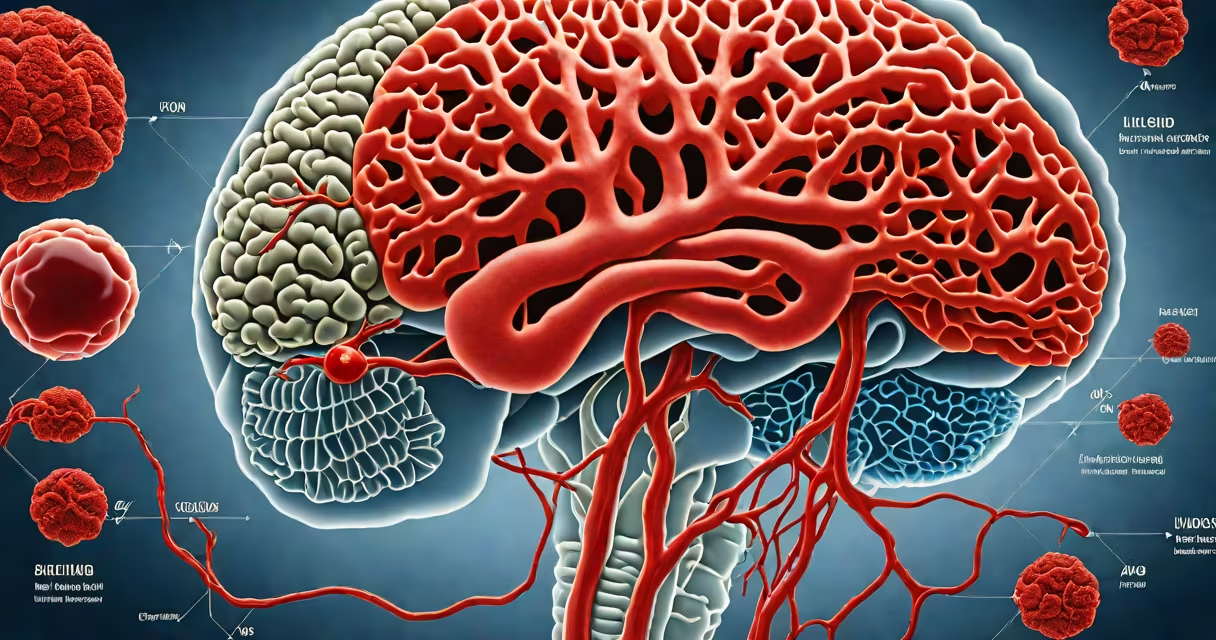
Altitude sickness pathophysiology describes how reduced atmospheric oxygen at high elevation impairs tissue oxygenation, leading to cellular stress, fluid leakage into the lungs and brain, and symptoms ranging from headache to life-threatening edema. This process begins within hours of ascent above 2,500 meters (8,200 feet).
The core issue is hypoxia-the lack of sufficient oxygen at the tissue level. At sea level, barometric pressure is ~760 mmHg, delivering ~160 mmHg of partial pressure of oxygen (PO₂). At 3,000 meters, pressure drops to ~640 mmHg, reducing PO₂ to ~110 mmHg. The body cannot compensate instantly. Without acclimatization, tissues receive less oxygen than needed for aerobic metabolism.
Acclimatization begins with hyperventilation-increased breathing rate driven by chemoreceptors detecting low arterial oxygen. This lowers carbon dioxide levels, raising blood pH (respiratory alkalosis). Over 24-48 hours, the kidneys excrete bicarbonate to restore acid-base balance. These changes improve oxygen saturation but do not fully reverse hypoxia. Persistent low oxygen triggers inflammation and endothelial dysfunction, initiating the cascade of altitude illness.
Low oxygen disrupts mitochondrial ATP production. Cells switch to anaerobic metabolism, producing lactic acid and lowering intracellular pH. This activates ion pumps, causing sodium and water influx into cells. Swelling occurs in both peripheral and central tissues.
Endothelial injury in pulmonary capillaries increases permeability. Fluid leaks into alveoli, impairing gas exchange. This leads to high-altitude pulmonary edema (HAPE), which affects ~1 in 500 trekkers above 3,000 meters. HAPE typically presents with dyspnea at rest, cough, and crackles on lung exam. A 2018 study in *The Lancet* found that individuals with elevated pulmonary artery systolic pressure (>40 mmHg) at 3,000 m were 3.2 times more likely to develop HAPE.
In the brain, similar vascular leakage causes cerebral edema. Blood-brain barrier disruption allows fluid into brain parenchyma, increasing intracranial pressure. High-altitude cerebral edema (HACE) manifests as ataxia, confusion, and altered mental status. HACE develops in ~1 in 1,000 climbers above 4,000 meters. A 2021 cohort study in *High Altitude Medicine & Biology* showed that those with prior history of acute mountain sickness had a 4.5-fold higher risk of progressing to HACE.
Three primary forms exist: acute mountain sickness (AMS), HAPE, and HACE. AMS is the mildest, affecting up to 75% of people ascending rapidly above 2,500 m. Symptoms include headache, nausea, fatigue, and dizziness. It results from cerebral vasodilation due to hypoxia, increasing blood flow and intracranial pressure.
HAPE and HACE represent severe progression. HAPE often develops within 12-24 hours of arrival at altitude. Risk factors include rapid ascent, exertion, and pre-existing conditions like sleep apnea. HACE typically follows HAPE or occurs independently in vulnerable individuals. Both require immediate descent and supplemental oxygen.
| Type | Onset | Key Pathophysiological Event | Incidence Above 3,000m |
|---|---|---|---|
| Acute Mountain Sickness (AMS) | 6-12 hours | Cerebral vasodilation, increased intracranial pressure | Up to 75% |
| High-Altitude Pulmonary Edema (HAPE) | 12-24 hours | Pulmonary capillary leak, alveolar flooding | ~0.2% |
| High-Altitude Cerebral Edema (HACE) | 12-48 hours | Disruption of blood-brain barrier, brain swelling | ~0.1% |
HAPE can occur without preceding AMS. A 2019 case series in *Journal of Travel Medicine* documented six patients who developed HAPE within 12 hours of summiting Mount Kilimanjaro, despite no prior symptoms. This highlights that symptom onset does not reliably predict severity.
Altitude sickness pathophysiology is often mistaken for dehydration or exhaustion. While fatigue and nausea occur in both, altitude sickness involves specific neurovascular changes. Dehydration causes volume contraction and electrolyte imbalance; altitude sickness stems from hypoxic injury and microvascular leakage.
A common error is assuming that fitness protects against altitude illness. A 2020 study in *European Journal of Applied Physiology* found that elite athletes had higher rates of AMS than non-athletes at 3,500 m. Their intense exercise increases metabolic demand, worsening hypoxia. One subject-a marathon runner-developed AMS at 3,800 m despite optimal conditioning.
Another misconception is that gradual ascent prevents all illness. While slow ascent reduces risk, it does not eliminate it. A 2022 review in *Frontiers in Physiology* reported that 20% of climbers who ascended slowly still developed mild AMS. Acclimatization requires time, not just pace. The recommended ascent rate is ≤300 meters per day above 3,000 m, with a rest day every 3 days.
I observed altitude sickness pathophysiology firsthand during a trek in the Himalayas. A climber developed severe headache and vomiting at 4,200 meters. His SpO₂ was 82% on room air. He was given acetazolamide (250 mg twice daily) and oxygen via mask. Within 6 hours, his symptoms improved. His blood gas analysis showed respiratory alkalosis (pH 7.52, PaCO₂ 32 mmHg), confirming hyperventilation response.
Acetazolamide works by inhibiting carbonic anhydrase in renal tubules, promoting bicarbonate excretion and correcting alkalosis. This enhances hypoxic ventilatory response. A 2017 trial in *New England Journal of Medicine* showed that prophylactic acetazolamide reduced AMS incidence by 50% compared to placebo.
For prevention, descending 500 meters or more is the most effective intervention. Supplemental oxygen (2-4 L/min) raises arterial oxygen saturation from ~80% to ~95%. Portable hyperbaric chambers (e.g., Gamow bag) simulate descent by increasing ambient pressure. A 2020 study in *High Altitude Medicine & Biology* found that 90% of HACE cases improved within 30 minutes of chamber use.
When treating altitude sickness pathophysiology, recognize that symptoms may worsen during descent. A patient with HACE may deteriorate before improving. Monitor neurological status closely. If confusion or ataxia persists after descent, consider imaging for cerebral edema.
Understanding altitude sickness pathophysiology enables better decision-making. It's not just about oxygen levels-it's about how the body responds to low pressure, fluid shifts, and cellular stress. For travelers planning high-altitude excursions, knowing the mechanisms behind symptoms improves safety and outcomes.