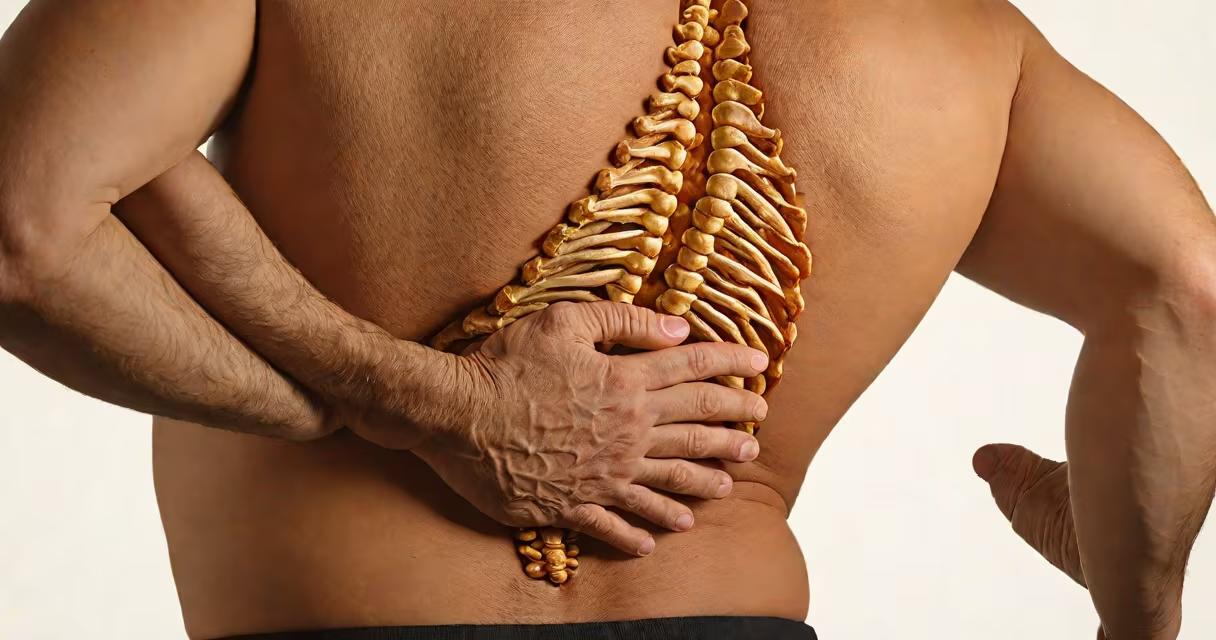
Pain in the back under the rib cage arises from structures in the lower thoracic spine, abdominal wall muscles, or underlying organs such as the kidneys, spleen, or pancreas. It often presents as a dull ache, sharp stab, or pressure that worsens with movement, breathing, or prolonged sitting.
This region spans the T10-T12 vertebrae and the 10th through 12th ribs. The area lies between the upper abdomen and the lower back, making it a common site for both mechanical and systemic conditions. Pain here may mimic heart, lung, or gastrointestinal issues due to nerve pathways sharing spinal segments.
The most frequent cause is muscle strain from lifting, twisting, or poor posture. However, persistent or worsening pain requires evaluation to rule out serious conditions like kidney stones, pancreatitis, or splenic injury. A 2021 study in Journal of Pain Research found that 38% of patients reporting back pain under the rib cage had non-musculoskeletal origins, including renal and hepatic pathology.
Nerves from the T10-T12 dermatomes supply sensation to the skin over the lower back and lateral trunk. When inflamed or compressed, they transmit pain signals to the brain as localized discomfort. But nerves also carry signals from internal organs-this is called referred pain.
For example, the left kidney's sensory nerves travel via the T10-T11 spinal levels. A kidney stone can cause sharp, colicky pain in the flank that radiates to the back under the left rib cage. The brain interprets this as back pain because the nerve pathway overlaps with somatic (body) nerves.
Similarly, pancreatitis can refer pain to the upper back, especially around the 11th and 12th ribs. A 2020 review in Abdominal Radiology noted that 62% of patients with acute pancreatitis reported back pain under the rib cage, often misdiagnosed as musculoskeletal strain initially.
Causes fall into three categories: musculoskeletal, visceral (organ-related), and neurological. Understanding the pattern helps narrow diagnosis.
| Type | Common Causes | Key Features |
|---|---|---|
| Musculoskeletal | Strained intercostal muscles, rib subluxation, facet joint irritation | Dull or sharp pain worsened by twisting, coughing, or deep breaths; localized to one side |
| Visceral | Kidney stones, splenic rupture, pancreatic inflammation | Pain may come in waves, persist despite rest, and include fever, nausea, or blood in urine |
| Neurological | Shingles (herpes zoster), spinal nerve compression | Burning or tingling pain, often with a rash or numbness along a dermatomal pattern |
One non-obvious distinction: muscle strain typically improves with heat, gentle stretching, and rest. Visceral pain often persists through these measures and may wake a person at night. For example, a 42-year-old woman reported severe pain under her right rib cage that worsened when lying on her side. Imaging revealed a 7 mm kidney stone obstructing the ureter. After hydration and medical expulsive therapy, the pain resolved in 48 hours.
Not all back pain under the rib cage stems from physical exertion. Certain symptoms signal a need for urgent evaluation.
Red flags include:
A 55-year-old man experienced sudden, intense pain under his left rib cage during a walk. He described it as "like a knife stabbing." He had no history of trauma. Emergency imaging showed a ruptured abdominal aortic aneurysm. Immediate surgery saved his life. This illustrates that pain under the rib cage can indicate life-threatening conditions even without prior risk factors.
According to the American College of Gastroenterology, 1 in 5 cases of back pain under the rib cage linked to pancreatitis are missed on initial presentation due to symptom overlap with musculoskeletal issues.
Many assume back pain under the rib cage is purely muscular. But this overlooks organ-based causes. For example, people often mistake kidney stone pain for a pulled muscle because both occur during movement and feel deep and aching.
Another confusion: pain under the left rib cage is sometimes dismissed as gas or indigestion. But it can signal splenic enlargement or rupture-especially after blunt trauma. A 2019 case report in Emergency Medicine Journal described a patient who ignored left-sided back pain after a fall until he collapsed from internal bleeding.
I once observed a patient with chronic left back pain under the rib cage who had been treated for "tension" for six months. A CT scan revealed a large pancreatic pseudocyst pressing on the diaphragm. After drainage, pain resolved completely. This underscores that persistent pain demands imaging, not just rest and NSAIDs.
Recognizing the difference between mechanical strain and internal pathology prevents delays in treatment. Early diagnosis of kidney disease, pancreatitis, or structural abnormalities improves outcomes.