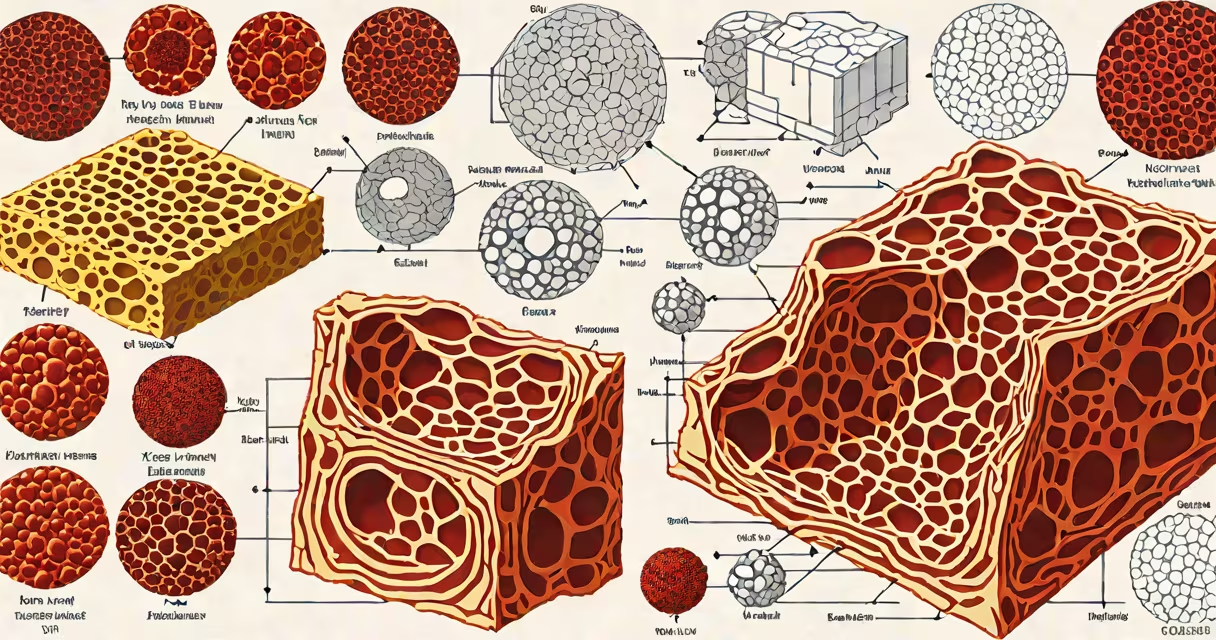
Red marrow is the soft, spongy tissue inside bones responsible for producing red blood cells, white blood cells, and platelets. It contains hematopoietic stem cells that generate all types of blood cells throughout life.
Red marrow is primarily located in flat bones such as the pelvis, sternum, ribs, skull, and vertebrae, as well as the ends of long bones like the femur and humerus. Unlike fatty yellow marrow, which stores energy, red marrow actively manufactures blood components essential for oxygen transport, infection defense, and clotting.
Its name comes from the visible red color due to high concentrations of hemoglobin-rich red blood cells and iron-containing proteins. This tissue is metabolically active and highly sensitive to damage from radiation, chemotherapy, and certain infections.
Red marrow functions through hematopoiesis-the process of blood cell formation. Hematopoietic stem cells in red marrow divide and differentiate into precursor cells that mature into functional blood cells. These cells then enter the bloodstream to perform their roles.
Each day, red marrow generates approximately 200 billion new red blood cells, 100 billion white blood cells, and 500 billion platelets. This output maintains homeostasis and responds rapidly to increased demand, such as during bleeding or infection.
A single hematopoietic stem cell can give rise to all blood cell lineages. These cells reside in specialized microenvironments within red marrow called niches, where signals from surrounding cells regulate their self-renewal and differentiation.
Red marrow consists of a complex network of stromal cells, adipocytes, endothelial cells, and extracellular matrix. The core functional units are hematopoietic progenitor cells that progress through stages of development before entering circulation.
There are two main types of marrow based on composition:
| Type | Color | Primary Function | Common Locations | Cell Density |
|---|---|---|---|---|
| Red marrow | Red | Blood cell production | Pelvis, sternum, skull, vertebrae, ends of long bones | High |
| Yellow marrow | Yellowish | Energy storage (fat) | Shafts of long bones (femur, tibia) | Low |
As people age, red marrow gradually converts to yellow marrow in long bones. By adulthood, most red marrow is confined to axial skeleton bones. This shift reduces blood cell production capacity, making older adults more vulnerable to anemia and low white blood cell counts.
An important distinction often missed: red marrow is not synonymous with all bone marrow. While red marrow performs hematopoiesis, yellow marrow does not. However, under stress-such as severe blood loss-yellow marrow can revert to red marrow activity, a phenomenon known as "marrow reactivation."
Red marrow is central to diagnostic and therapeutic procedures in hematology and oncology. Bone marrow aspiration and biopsy are standard tests to evaluate blood disorders, cancers like leukemia, and infections.
During a bone marrow biopsy, a needle extracts a small sample from the posterior iliac crest (hip bone), where red marrow is accessible and abundant. Pathologists examine the sample for abnormal cell morphology, cell ratios, and evidence of malignancy.
For patients with blood cancers or genetic blood disorders, hematopoietic stem cell transplantation (HSCT) relies on red marrow. Donors provide stem cells from their red marrow via peripheral blood stem cell collection or direct marrow harvest. These transplanted cells repopulate the recipient's blood system.
One non-obvious fact: red marrow volume correlates with physical fitness. Studies show athletes have higher red marrow density in weight-bearing bones compared to sedentary individuals. This adaptation supports greater oxygen delivery and recovery capacity during endurance activities.
Many assume red marrow is the same as "bone marrow" in general. But bone marrow includes both red and yellow types. Yellow marrow, while less active, plays a critical role in fat metabolism and calcium regulation.
Another misconception: red marrow is only active in childhood. In reality, it remains functional throughout life, though its distribution changes. Adults retain significant red marrow in the spine, pelvis, and skull-areas where blood cell production continues efficiently.
Some confuse red marrow with bone marrow edema seen on MRI scans. Edema indicates inflammation or injury, not active hematopoiesis. A swollen marrow space may look red on imaging but doesn't imply increased blood cell production.
A 62-year-old woman presents with fatigue, dizziness, and pale skin. Lab results show low hemoglobin (9.2 g/dL), low reticulocyte count, and normal iron levels. A bone marrow biopsy reveals hypocellular red marrow with reduced erythroid precursors.
These findings indicate aplastic anemia-a condition where red marrow fails to produce enough blood cells. Without intervention, the patient risks severe anemia and organ failure. Treatment involves immunosuppressive therapy or stem cell transplant using healthy red marrow from a donor.
This case illustrates how red marrow dysfunction leads to systemic symptoms and requires targeted diagnosis. The biopsy confirmed the issue was in the marrow itself, not diet or blood loss.
I once observed a bone marrow aspirate procedure during a clinical rotation. The syringe filled with bright red fluid-visible under the microscope as clusters of developing red blood cells, granulocytes, and megakaryocytes. The contrast between the dense cellular structure and the surrounding bone matrix was striking. That moment clarified how changing red marrow truly is.
Red marrow is essential for lifelong blood cell production. It differs from yellow marrow in function and appearance. Its activity declines with age but remains important in specific bones. Medical procedures involving red marrow include biopsies and stem cell transplants.